MICRONAUT-S ß-Lactamases Detection
MICRONAUT-S ß-Lactamases Detection
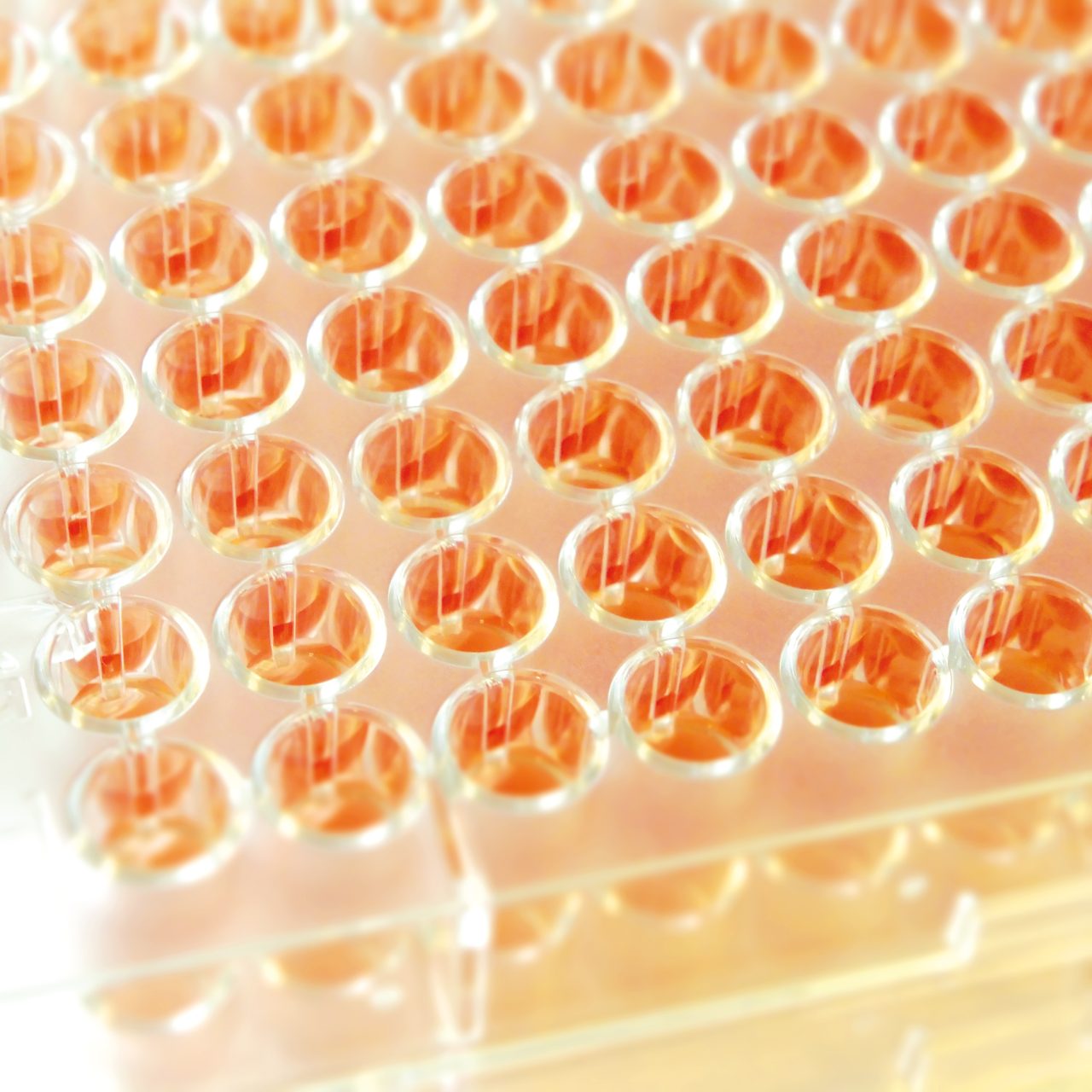
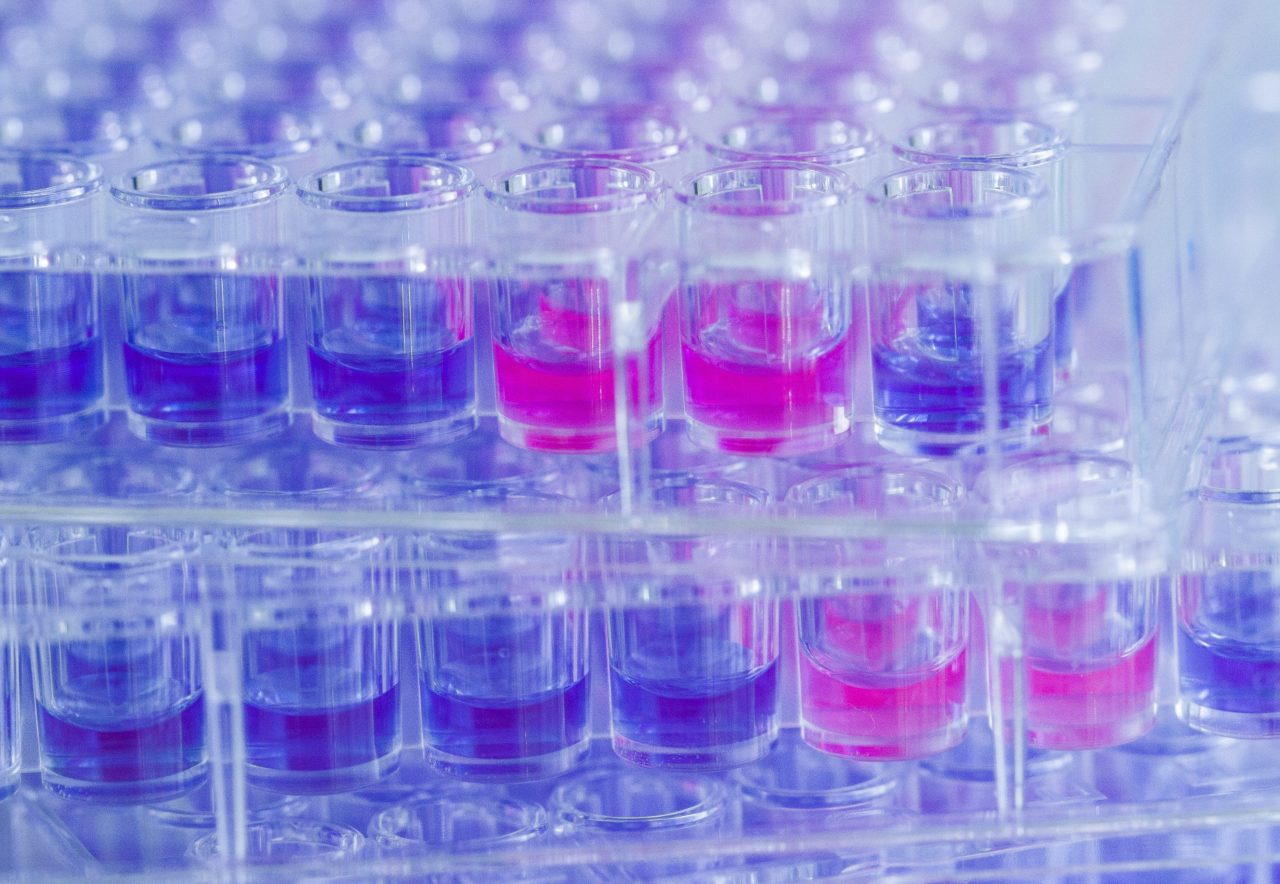
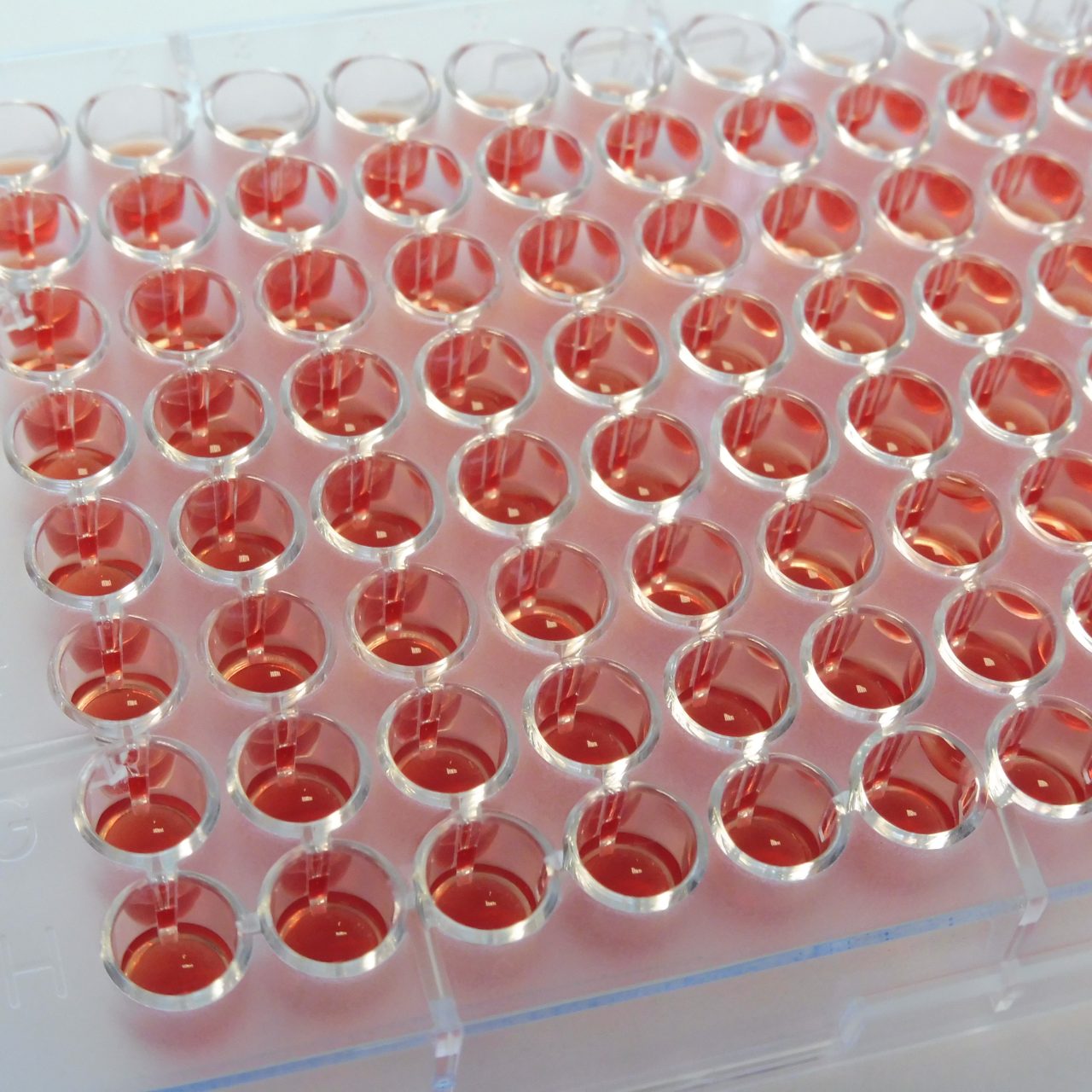
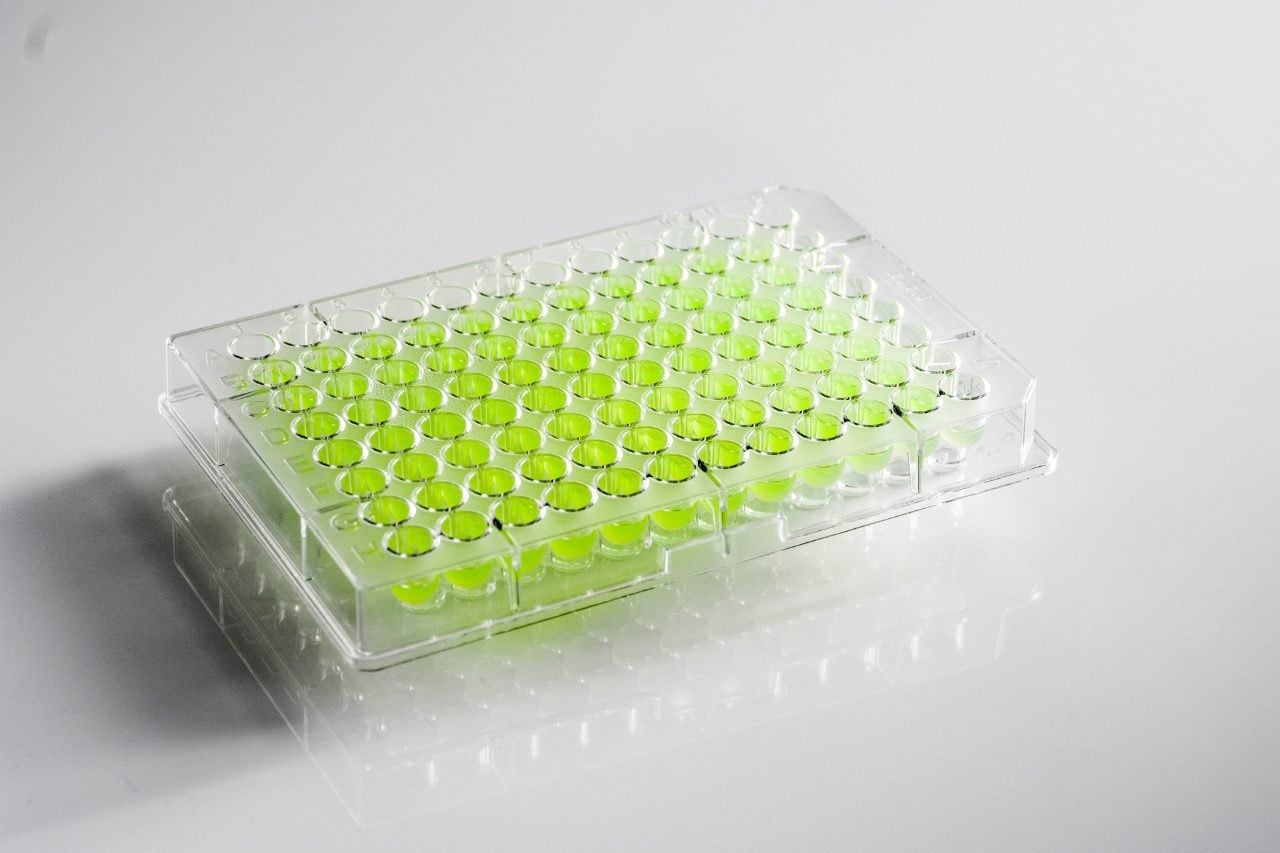
Based on the standard broth microdilution (BMD) method, the MICRONAUT-S ß-Lactamases Detection system is the only broth microdilution based systems that can differentiate between all Ambler class A (ESBL, KPC), class B (MBL), class C (AMP-C) and class D (OXA-48-like) cephalosporinases and/or carbapenemases.
Determining multiple resistances
In recent years, there has been an increase worldwide in carbapenem resistance based on type D carbapenemase-producing Enterobacteriaceae (type OXA-48). These secondary, plasmid encoded, type D carbapenemases can be spread horizontally by plasmid transfer, showing a potential for dissemination of high epidemiologic importance. Moreover, the ß-Lactamases resistance determinants are localized on mobile genetic elements (integrons) that are normally associated with additional resistance genes (e.g. aminoglycosides, fluoroquinolones etc.) bearing the high risk for the spread of multi-resistance among clinically relevant pathogens.
The standard plate MICRONAUT-S ß-Lactamases now includes temocillin and ertapenem/meropenem screening concentrations for detection of low-level carbapenem resistance. These modifications improve the sensitivity of the test system for detection of OXA-48-like type D carbapenemases.
The MICRONAUT-S ß-Lactamases plate has an extended concentration range for ESBL (Extended Spectrum ß-Lactamases) and AMP-C (aminopenicillin inactivating cephalosporinase) detection. The drug concentrations of cefepime, cefotaxime, and ceftazidime are increased up to 128 mg/L. Based on the drug concentration ranges, the sensitivity of the ESBL and AMP-C confirmatory assay is raised by the reduction of “out of range” results. In addition, detection and differentiation of clinically relevant carbapenemases (KPC, MBL, OXA-48-like) is carried out by MIC determination of meropenem and different meropenem-inhibitor combinations.
Scope of MICRONAUT-S ß-Lactamases plate
- MIC determination of antibiotics and antibiotic combinations against all relevant gram-negative bacteria (Enterobacterales, Aeromonadaceae, Pseudomonadaceae etc.)
- Phenotypic detection of ESBL by susceptibility testing with 3 extended spectrum cephalosporins and their combination with clavulanic acid
- Phenotypic detection of AMP-C by susceptibility testing with 3 extended spectrum cephalosporins and their combination with 3-Amino-Phenyl-Borate (3-APB)
- Phenotypic detection of KPC (Klebsiella pneumoniae carbapenemase) by MIC determination of meropenem as a mono substance and in combination with 3-Amino-Phenyl-Borate (3-APB)
- Phenotypic detection of MBL (Metallo-ß-Lactamases) by MIC determination of meropenem as a mono compound and in combination with the divalent cationic chelator EDTA
- Detection of OXA-48-like type D-carbapenemases based on determination of high-level temocillin resistance
- Detection of low-level carbapenem resistance based on introduction of ertapenem / meropenem screening cut-off value according to EUCAST
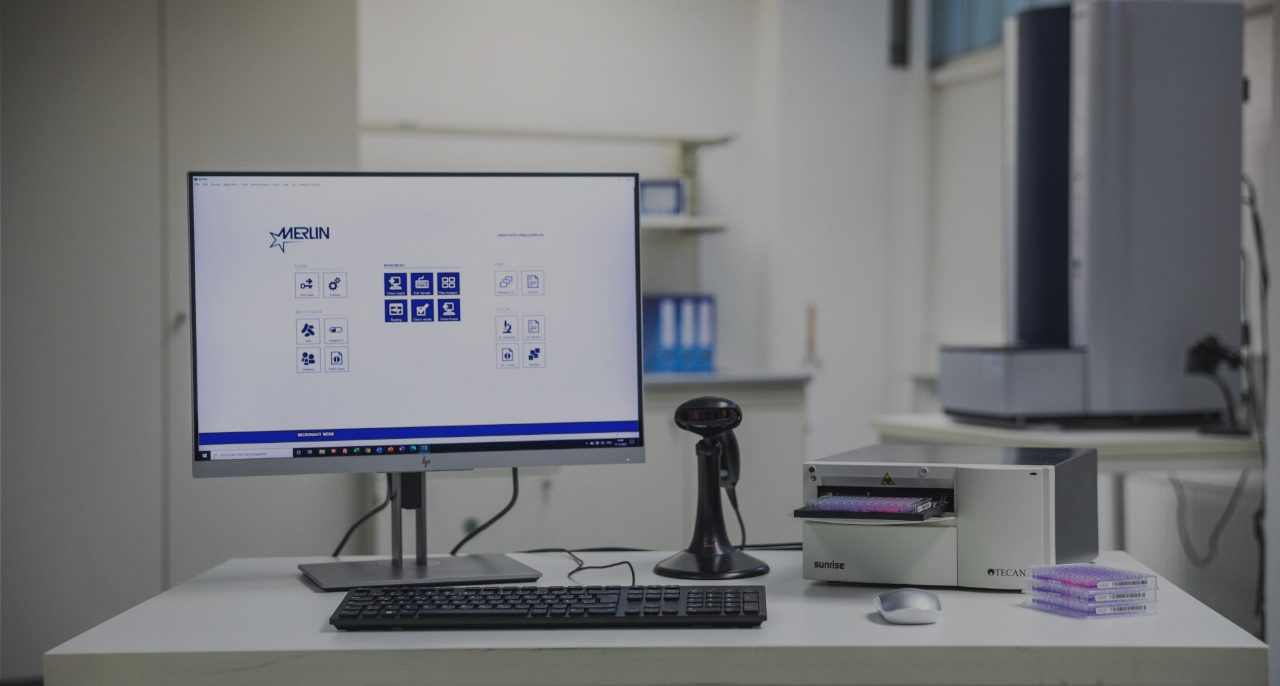
- Analysis and interpretation after visual or automated reading
- MICRONAUT software for the analysis and interpretation after automated reading with:
- Indication of confirmed resistance mechanisms (ESBL, MBL, KPC, AMP-C) by MIC quotient assessment and detection of high-level temocillin resistance
- Phenotypic confirmation of resistance mechanisms even at the occurrence of multiple ß-Lactamases
Please contact your local representative for availability in your country.
Not for sale in the USA.