More Insights Right From the Start
Every Bruker NMR, Now with SciY Software
with Every Instrument
Measurement
to Insight
from the Start
and Applications
More Than an Instrument – A New Starting Point for NMR
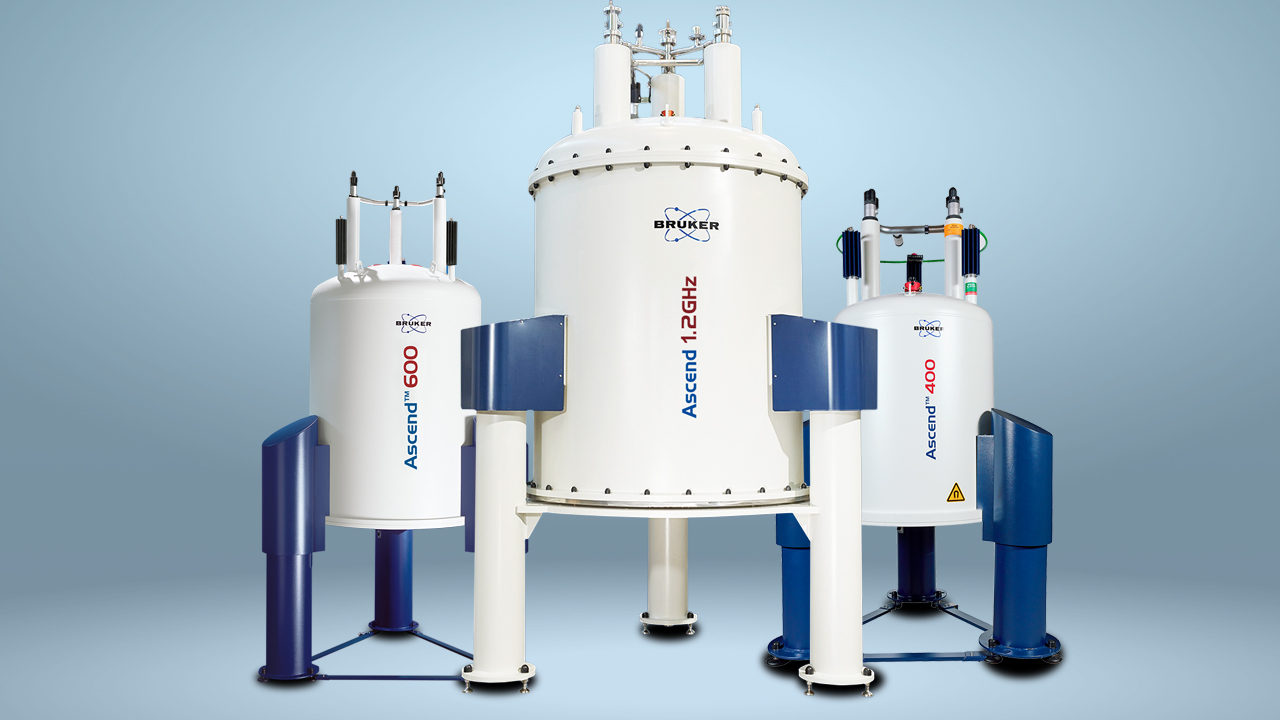
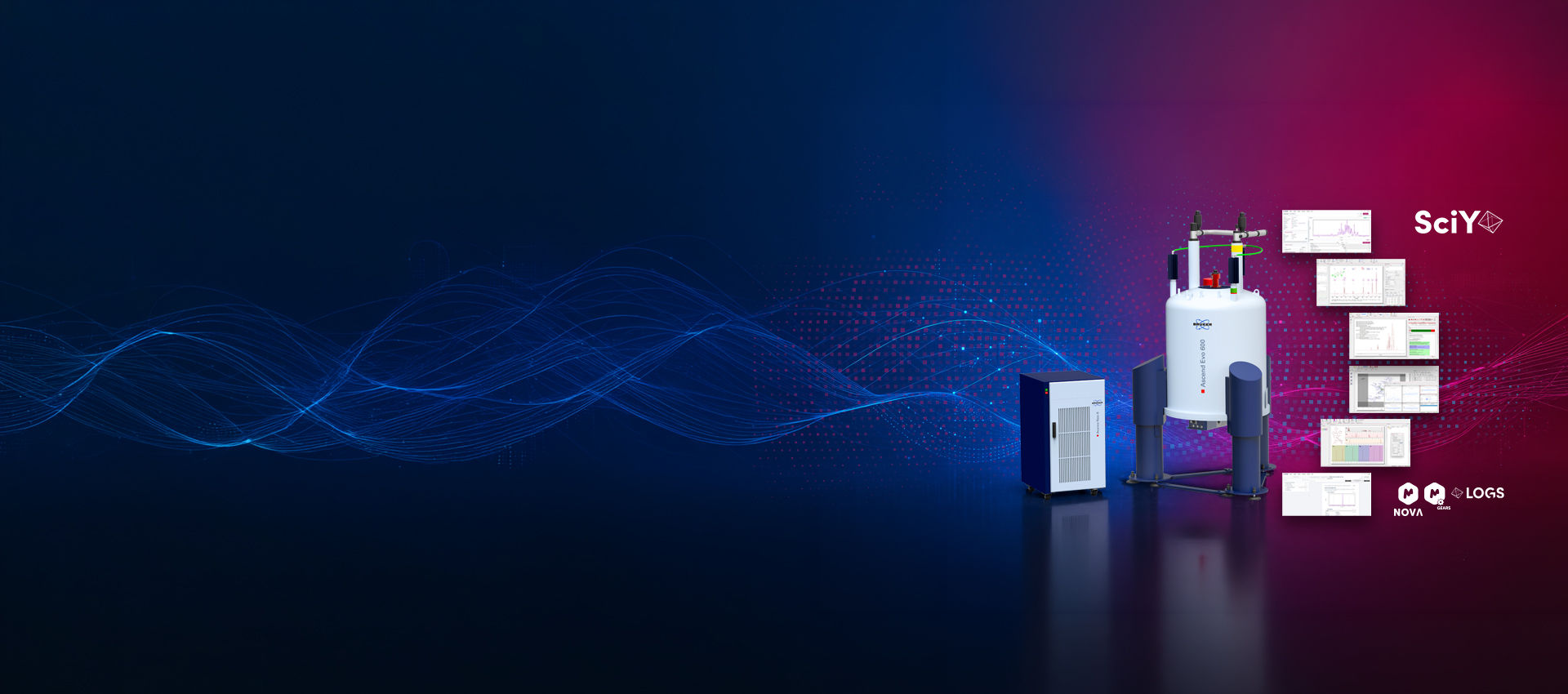
Every Bruker NMR system now comes with a comprehensive SciY software package for one year, including updates, bringing together proven tools for data analysis, automation, and structured data management as part of the system.
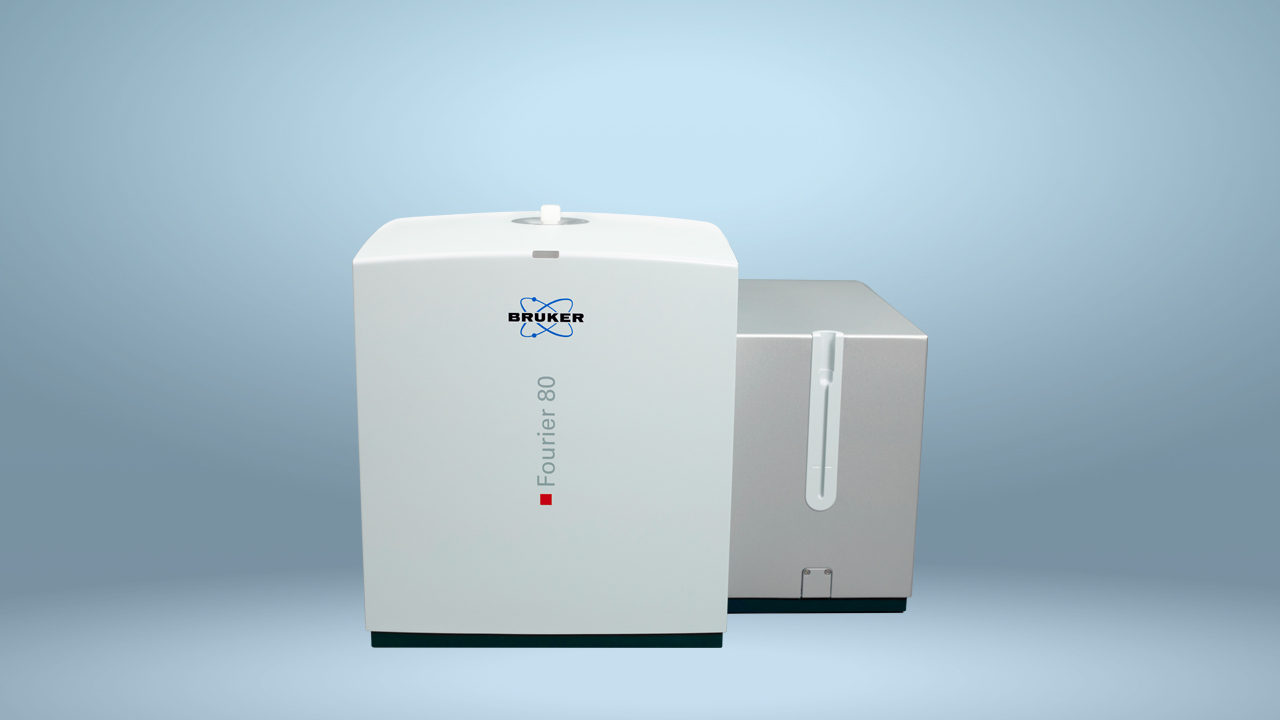
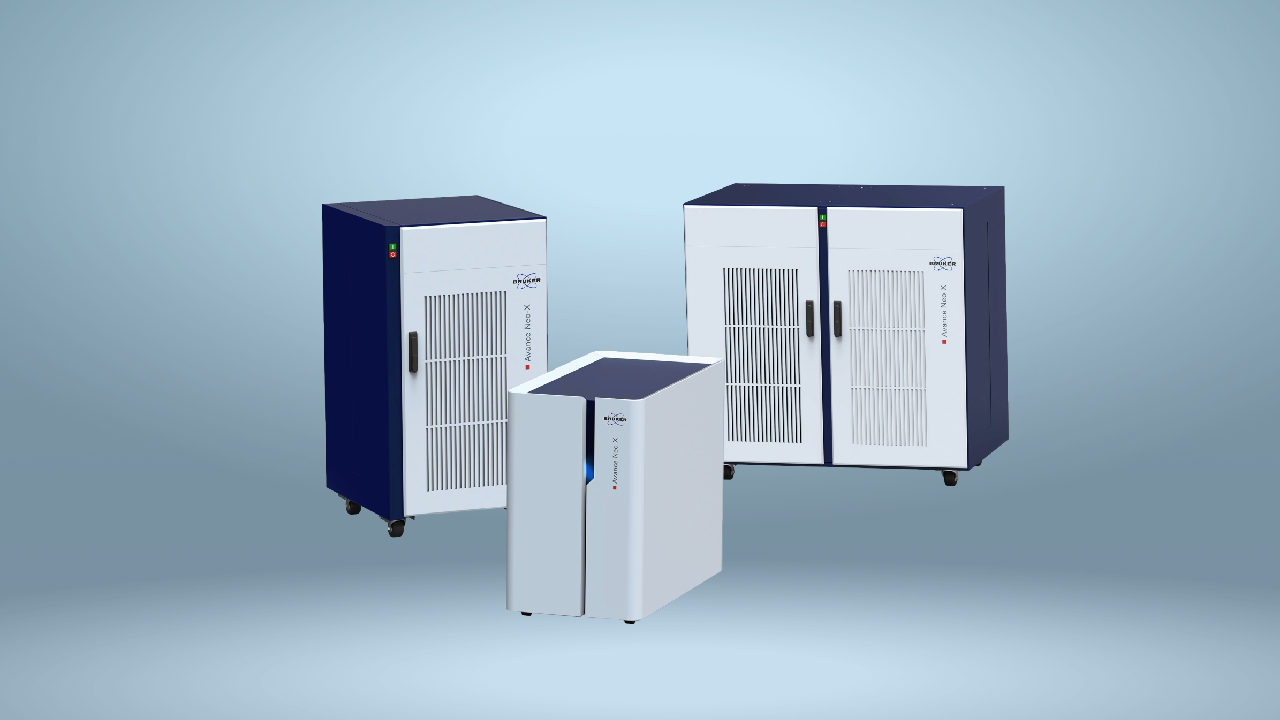
This applies to all new Bruker NMR instruments (floorstanding and benchtop) and new console purchases, providing a consistent starting point across systems and user environments.
With essential capabilities already in place, teams can begin working with their data immediately — without the need to install, align, or validate additional tools after installation. This reduces setup effort, shortens the path from acquisition to insight, and ensures a consistent foundation for reliable results, collaboration, and long-term data use across applications.
A stronger starting point for NMR, supporting progress from the first experiment onward.
What You Get with Every Bruker NMR
A complete NMR solution that combines Bruker’s high-performance instrumentation with a connected SciY software environment. Together, they support the full path from data acquisition to analysis, automation, and data handling within one system.
With the SciY software package working alongside the instrument, data can be processed, analyzed, and stored in a consistent and structured way. This enables reliable results, standardized methods across users and data that remains traceable.


From Data to Results, Knowledge, and Decisions
Bruker NMR systems with SciY software are available as dedicated solutions for academia, industry and pharma. Each package is tailored to how data is used in these environments—whether building shared knowledge across the campus or enabling faster, more consistent decision-making in industrial settings.
Solutions for Academia
From Acquisition to Insight Across the Entire Campus
Academic laboratories require reliable, reusable data and shared access across research groups and facilities.
With analysis, automation, and data management already in place, NMR data can be processed, stored, and accessed in a consistent way from the first experiment. This removes the need to introduce additional tools later and creates a shared foundation for working with data across users and facilities.
What this enables:
- One connected environment for all NMR data
Analyze, store, and access data in one system - Data that remains usable and valuable
Structured, searchable data that supports FAIR principles and long-term reuse - Standardized analysis and reproducible results
Consistent methods across users and groups - Collaboration across the entire campus
Shared access to data and results across research groups and facilities - A foundation for digital and data-driven research
Traceable data that supports future use and long-term scientific value

Core Facilities
In academic core facilities, the combined Bruker, Mnova, and LOGS solution supports a seamless workflow, from data acquisition to reporting. Standardized processing, centralized data management, controlled access, and full traceability improve efficiency and consistency. Facility managers can deliver reliable, high-quality results while supporting multiple users and projects, enabling secure, reproducible, high-throughput NMR services.
Research Groups
For research groups, the integrated solution connects data acquisition with scientific insights and enables collaboration across teams. Researchers can efficiently process, analyze, and interpret spectra with Mnova, while documenting experiments and organizing and sharing results through LOGS. This helps teams work together effectively, generate robust conclusions, and accelerate scientific output.
Teaching & Training
In educational environments, the bundle provides a complete, hands-on learning experience where students can master core chemistry concepts without unnecessary complexity. Using easy-to-adopt software, they develop essential analytical chemistry skills while adopting best practices in data management and reproducibility from the start.


Solutions for Industry and Pharma
From Data to Knowledge Faster
Industrial and pharmaceutical laboratories require fast, reliable results and consistent data handling across teams and applications - especially when moving from research to routine use.
With advanced data analysis and automation already in place, data can be processed, analyzed, and interpreted in a structured and repeatable way from the first experiment. This reduces the need for manual data handling and avoids delays in setting up or aligning additional tools, allowing teams to move more quickly from measurement to usable results.
What this enables:
- One connected environment for all NMR data
Process, analyze, and interpret data in one system - Faster, more reliable decision-making
Reduce time between measurement and actionable results - Standardized analysis and reproducible results
Apply consistent methods across users and applications - Consistency across the value chain
Use the same data and methods from R&D through to Quality Control - Scalable performance for high-throughput environments
Handle increasing sample volumes efficiently in routine and production settings

Structural Biology
Structural biology teams can move more efficiently from early screening to lead optimization, with a connected workflow that supports confident decisions at each stage. Potential binders can be identified faster, interactions can be characterized more clearly, and structural information can be translated into actionable insight for next-step design. The result is a smoother path from experimental data to informed lead selection, helping teams accelerate discovery and move promising candidates forward more effectively.
Biologics Characterization
Biologics teams can assess higher-order structure with greater consistency and confidence, using objective comparison methods to detect differences between reference and test samples. This supports batch classification, strengthens quality decisions, and helps maintain structural consistency. For peptide mapping and impurity profiling, automated mass spectrometry analysis reduces manual effort and brings NMR and MS characterization together in one workflow—helping teams handle complex biologics analysis more efficiently and with greater confidence.
Analytical & Process Chemistry
Analytical teams can move from raw data to confident decisions faster, without switching between disconnected tools. Spectra and complementary analytical data are interpreted in one streamlined workflow, reducing manual effort and making structure confirmation, purity assessment, and concentration analysis more consistent. For reaction monitoring, teams can follow conversion, identify intermediates, and quantify products over time, giving a clearer understanding of reaction kinetics and supporting informed process decisions.
Software Package and Licensing Model
The SciY software environment is provided for one year, including updates, allowing teams to implement its capabilities and integrate them into their daily work as part of the system.
This ensures that analysis, automation, and data management can be established in a consistent way across users and applications.
After the initial period, continued use can be maintained through a straightforward licensing model, enabling organizations to extend the setup in line with their requirements.