EANM 2026
Annual Congress of the European Association of Nuclear Medicine
Vienna, Austria
Where Theranostics Begin
Imaging & Quantification for Translation
Theranostics is transforming precision medicine by bringing diagnosis and therapy together. Success depends on understanding how radiopharmaceuticals behave in vivo, quantifying therapeutic response, and generating the evidence needed to confidently advance new tracers and targeted radionuclide therapies.
Bruker provides an integrated imaging and analysis ecosystem that helps researchers visualize biology, quantify therapeutic effect, and accelerate translation. From high-energy radionuclide imaging and dosimetry studies to advanced image quantification and simultaneous PET/MR, our solutions support every stage of theranostic development.
Theranostics Spotlight Series at EANM 2026
Join Bruker for three connected sessions exploring the future of preclinical theranostics: from imaging hardware to quantitative analysis workflows.
Bruker PCI experts will present our vision for theranostics, introduce the next-generation γ-CUBE SPECT system, and demonstrate how the latest pmod software innovations are making quantitative imaging more accessible.
Talk Topics Overview
Ready for the Theranostics Era
Bruker PCI Vision
Discover how Bruker's integrated theranostics ecosystem connects imaging hardware, software, and data management to support the complete research workflow.
SPECT for the Theranostics Era
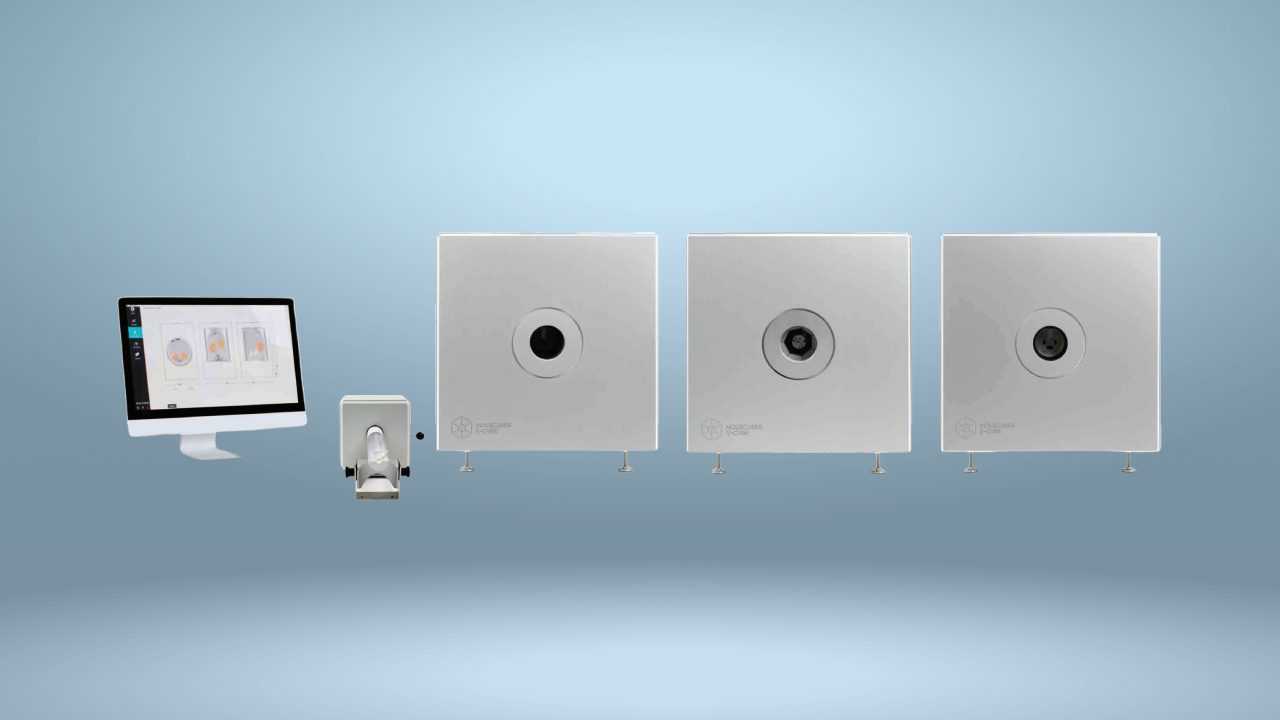
Next-Generation γ-CUBE
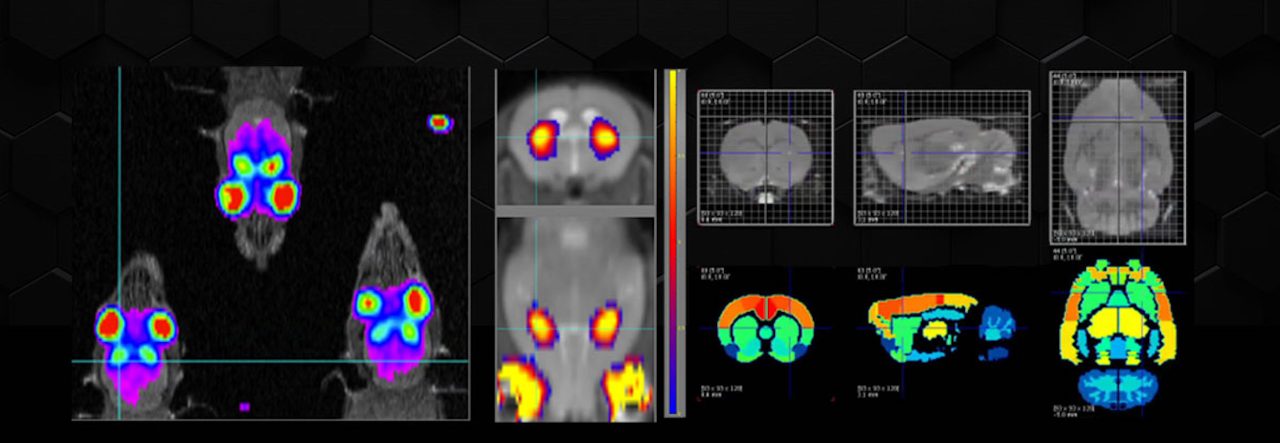
Learn about the hardware innovations behind the new γ-CUBE and see high-energy, dynamic, and low-activity imaging results.
Connected for the Theranostics Era
PMOD 4.6 & Integrated Software
Explore how advanced analysis, FAIR data management, AI-assisted workflows, and pmod 4.6 help accelerate quantitative imaging.
Agenda
Time | Talk Topic | Speaker |
Sunday October 18th 9:45 AM | Ready for the Theranostics Era: the Bruker PCI Vision | Sam De Decker & Geoff Warnock |
Sunday October 18th 2:45 PM | Ready for the Theranostics Era: the Bruker PCI Vision | Sam De Decker & Geoff Warnock |
Monday October 19th 9:45 AM | SPECT for the Theranostics Era: Meet the Next-Generation γ-CUBE | Sam De Decker |
Monday October 19th 2:45 PM | SPECT for the Theranostics Era: Meet the Next-Generation γ-CUBE | Sam De Decker |
Tuesday October 20th 9:45 AM | Connected for the Theranostics Era: Making Quantification More Accessible with pmod 4.6 | Geoff Warnock |
Tuesday October 20th 2:45 PM | Connected for the Theranostics Era: Making Quantification More Accessible with pmod 4.6 | Geoff Warnock |
γ-CUBE SPECT
See What You Treat
The new γ-CUBE was designed for the evolving demands of theranostic research. Built to enable sensitive, quantitative, and dynamic SPECT imaging, it supports reliable imaging of high-energy therapeutic radionuclides including I-131, Pb-212, Ac-225, and Bi-213 while preserving quantitative accuracy.
Researchers can detect smaller lesions, visualize low-uptake biological processes, perform quantitative radionuclide imaging, and conduct dosimetry studies with confidence. By improving the balance between sensitivity and spatial resolution, γ-CUBE helps generate the high-quality data required to evaluate therapeutic response and advance the next generation of targeted radionuclide therapies.

pmod Version 4.6 (Coming soon!)
Turn Images Into Evidence
Theranostics requires more than images. It requires robust quantitative evidence. pmod is the reference platform for quantitative molecular imaging, providing advanced tools for image processing, multimodal fusion, segmentation, kinetic modeling, parametric mapping, and reproducible analysis. It is widely recognized for fully quantitative PET analysis and supports workflows across PET, SPECT, CT, and MRI.
From tracer development and validation to treatment evaluation and theranostic studies, pmod helps researchers convert imaging data into biologically meaningful endpoints. With comprehensive quantification tools, scientific data management, and translational workflows spanning both preclinical and human imaging, pmod enables confident decision-making at every stage of development.
Experience the improved, user-friendly interface designed to accelerate your analysis—register now to reserve an extended 3‑month trial*.
*Extended trial will be delivered upon software release. Standard trial is 1-month. Software installation and online license activation required.
Bruker PET/MR
One Subject. Better Decisions.
Simultaneous PET/MR combines highly sensitive molecular imaging with multiparametric MRI to provide spatially and temporally correlated insight into biological processes. By acquiring PET and MR data at the same time, researchers can characterize molecular, functional, physiological, and anatomical changes within a single experiment.
Bruker's PET/MR platform is designed for applications including oncology, neuroscience, immunology, tracer development, and theranostics. High PET sensitivity, quantitative accuracy, and full MRI compatibility enable researchers to better understand biodistribution, target engagement, therapeutic mechanism of action, and treatment response while reducing workflow complexity.