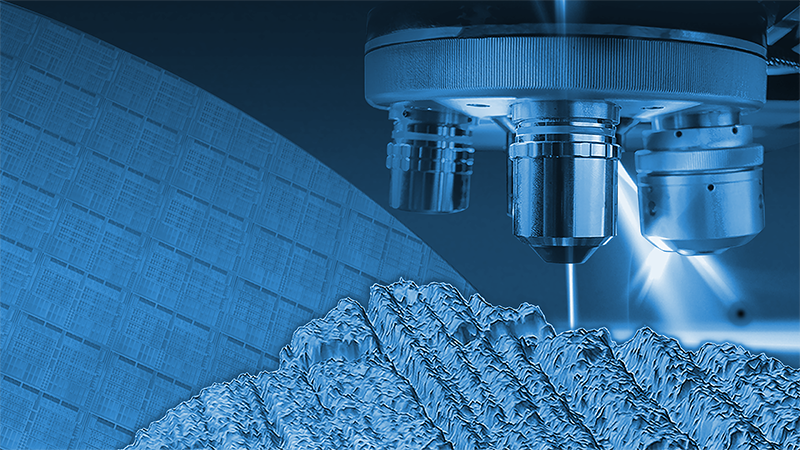
Using WLI to Characterize Roughness and Wear of Orthopedic Implants
Read about WLI-based surface texture and roughness metrology in orthopedic implant manufacturing
Thank you. Your PDF download is ready.

To learn more about our advanced 3D optical profilometry systems and how they support leading research and manufacturing in your field, please contact us. We will be happy to answer your questions and help you find the best optical profiler to meet your unique measurement requirements.