
Welcome to Bruker at EMIM 2026
Bruker at EMIM – European Molecular Imaging Meeting
Excellence in Every Modality
One animal. All modalities. Stronger statistics.
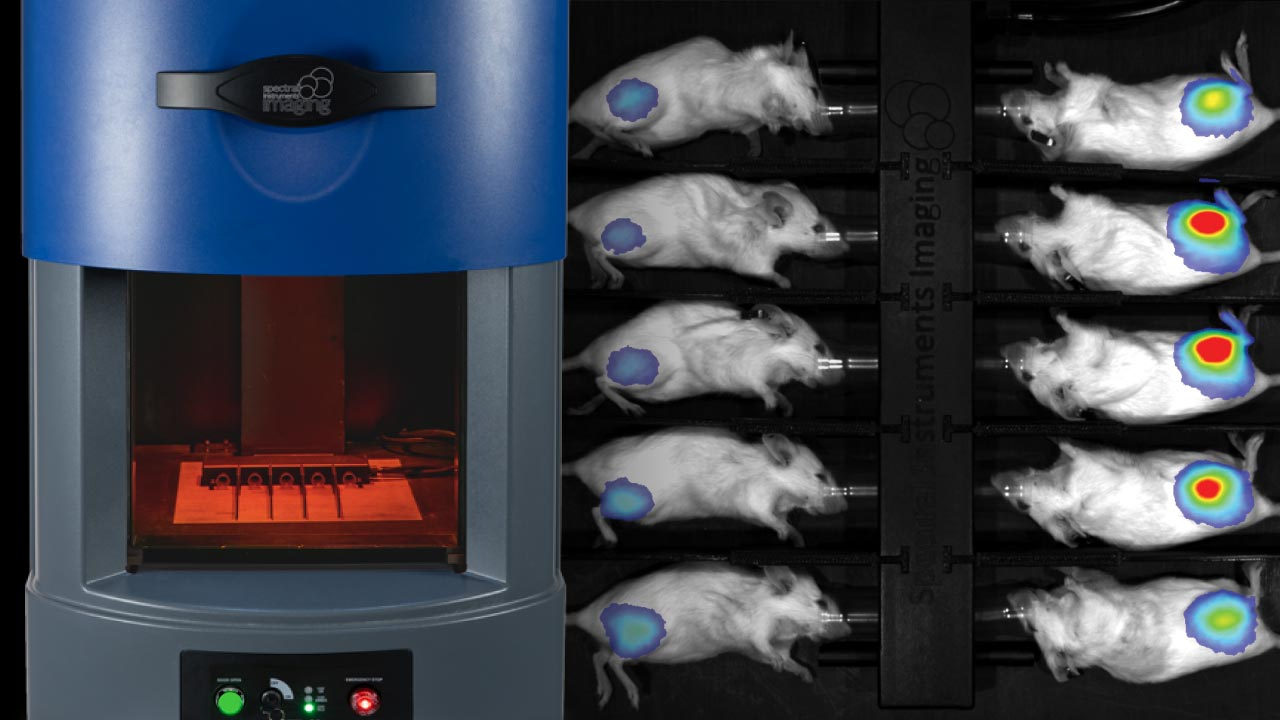
At EMIM 2026, Bruker will proudly present “Excellence in Every Modality”—a theme that embodies our commitment to advancing multimodal imaging and the 3Rs. This year, we spotlight a seamless workflow where a single subject can be imaged across MRI, SPECT/CT, and Optical modalities, then quantified together in pmod for richer data and stronger statistics.
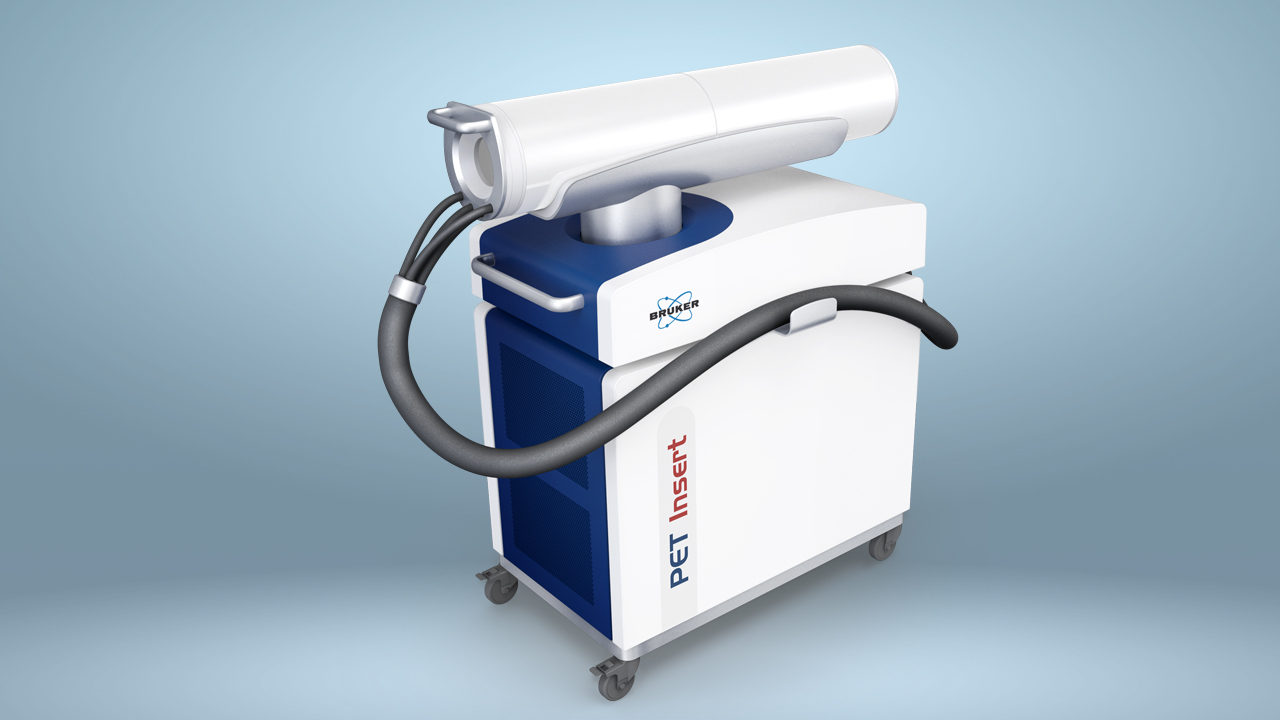
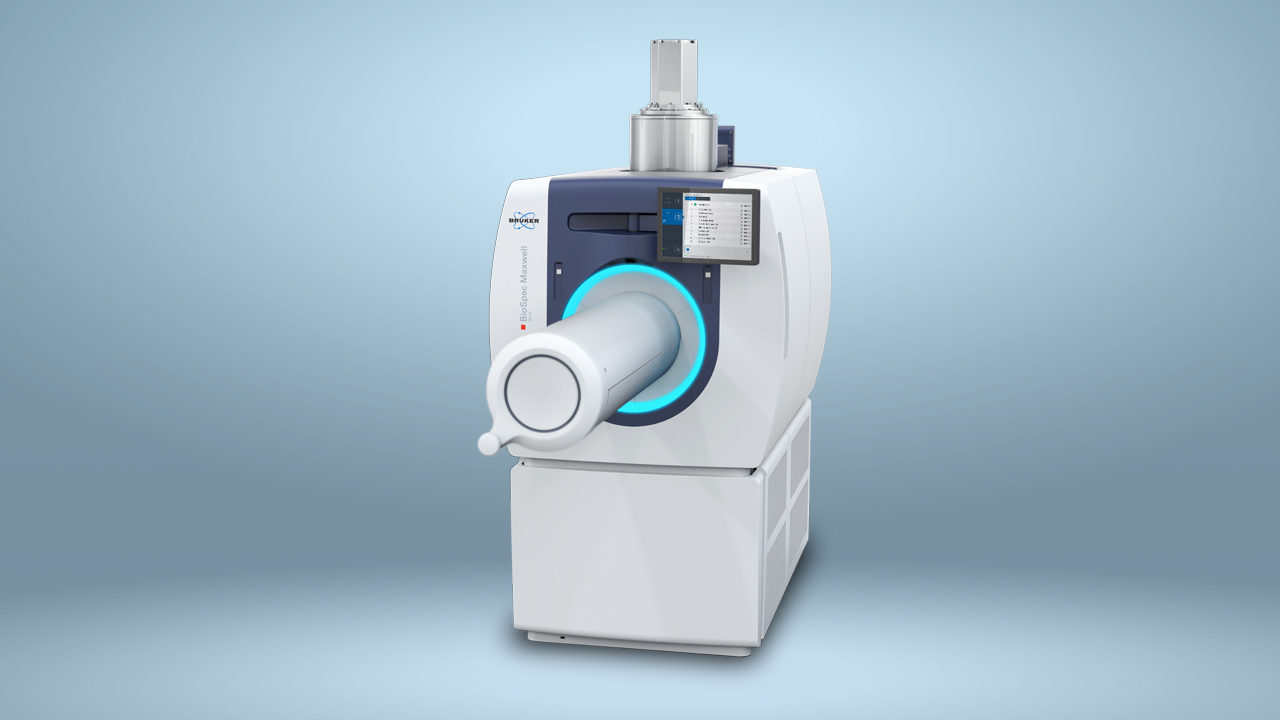
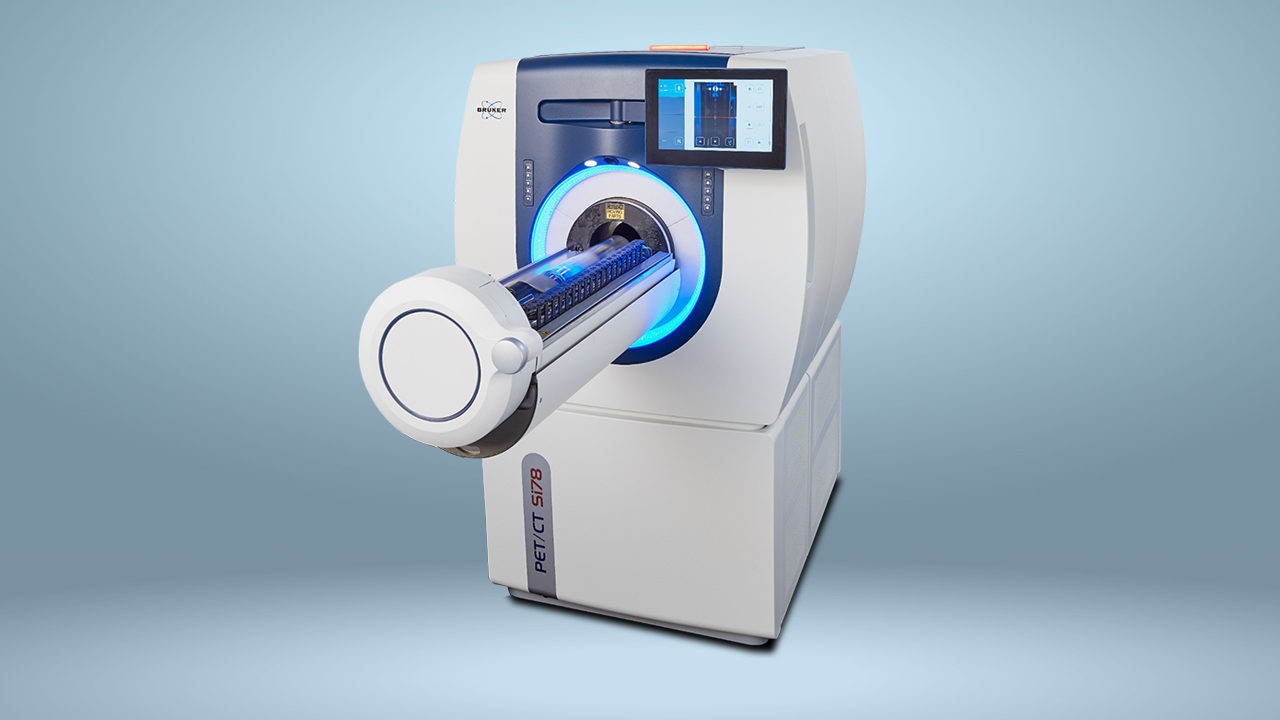
Visit us at Booth #1 to experience our latest innovations: the BioSpec Maxwell MRI, SPECT CUBE, optical imaging, PET/CT, Dynamis dissolution DNP for enhanced metabolic imaging, and pmod for unified quantitative analysis. Discover how our integrated solutions empower researchers to achieve more endpoints from every animal—delivering excellence, efficiency, and ethical progress in preclinical imaging.
Meet the Experts
Our teams from Bruker, pmod, CUBES and Spectral Instruments Imaging will be on hand to discuss study design, multimodality workflows, and quantification best practices.
Location: Ljubljana, Slovenia
Date: 24-27 March, 2026
Register for EMIM 2026
Bruker Lunch Symposium
Wednesday, March 25th
Time: 13:30 - 14:30
Location: Room 2 | Linhart Hall (Floor -2)
Dr. Michael Heindenreich will be presenting the latest in Bruker's preclinical imaging solutions, including:
- PET/MR
- Dynamis, our dissolution DNP system
- Benchtop imaging with CUBES
- Optical imaging and microCT
- ParaVision 360 and pmod software solutions
Won’t be able to attend?
Register here to receive exclusive Bruker content after EMIM.
In addition, we are proud to host Pablo Aguiar, Professor of Nuclear Medicine and Radiology and group leader at the University of Santiago de Compostela.
His talk will be entitled: Kinetic Modelling of Immuno-PET Imaging for Brain Tumors
Summary
Kinetic modelling of PET imaging enables the quantitative, non-invasive measurement of protein expression in vivo, opening new clinical indications for molecular characterization of tumours beyond static PET imaging. Our research focuses on the kinetic modelling of antibody-based PET imaging (Immuno-PET) using novel antibodies specifically designed to study the molecular profile of brain tumours. We target clinically relevant targets such as EGFRvIII and VEGF, and have developed 89Zr-labelled tracers based on anti-EGFRvIII and anti-VEGF monoclonal antibodies, as well as engineered antibodies to enhance blood–brain barrier transport, including transferrin receptor-based bispecific formats and nanobodies. Here, we present our results of the in vivo kinetic modelling analysis, demonstrating that our radiotracers enable robust quantification of target expression, showing strong correlations with ex vivo immunohistochemistry.