What is Microstructure?
The microstructure of a material refers to its internal structure at the microscopic level, including the arrangement of its atoms, crystals / grains, phases, and defects.
Understanding the microstructure and, its evolution under certain conditions, is crucial in materials science and engineering because it greatly influences the mechanical, thermal, electrical, and other properties of a material and how these properties evolve during a component's lifetime.
Key Aspects of Microstructure Include...
Atoms & Molecules

PLACEHOLDER IMAGE
At the smallest scale, materials are composed of atoms or molecules. The arrangement of these fundamental building blocks influences the material's properties.
Crystalline Structure

Many materials exhibit a crystalline structure, where atoms or molecules are arranged in a repeating, three-dimensional pattern. The type of crystal structure significantly affects a material's properties.
Grains & Grain Boundaries

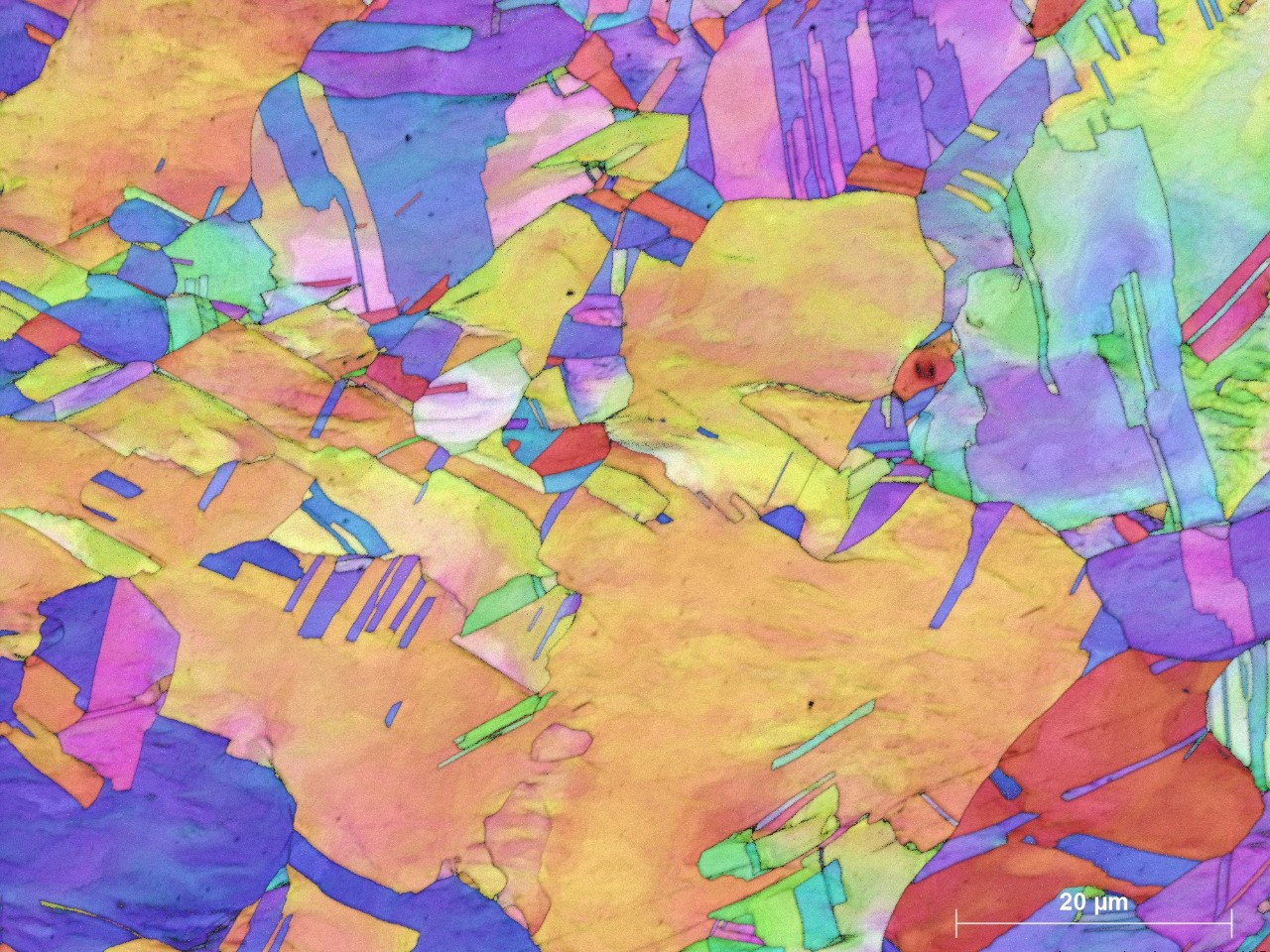
Polycrystalline materials are made of numerous small crystalline regions called grains. The interfaces between these grains are known as grain boundaries. Grain size and orientation distribution play a role in determining mechanical strength and other properties.
Phases

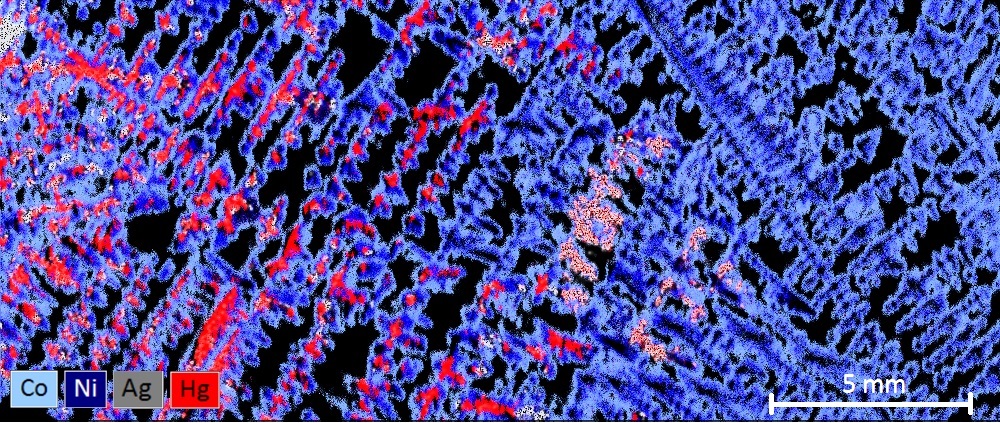
Materials may be made of a single or multiple phases, each with its own composition and structure. For example, stainless steels may contain two phases with a slightly different structure. These phases are made mostly by Iron atoms but with different concentrations of Nickel (Austenite phase) and Chromium (Ferrite phase).
Defects

Imperfections or irregularities in the crystal lattice are called defects. These can include vacancies, interstitials, dislocations, and grain boundaries. Defects can impact mechanical properties, conductivity, and other characteristics.
Microconstituents

Materials can have different microconstituents, such as eutectic structures, phases, and inclusions, depending on their composition and processing history.
Amorphous & Semi-Amorphous Materials
Some materials lack a well-defined crystalline structure and are called amorphous. Most glasses are amorphous materials. Their atoms are arranged in a disordered fashion, making them very hard and brittle. Not all amorphous materials are hard and brittle, e.g. some polymers, wood, etc.
Semi-amorphous materials may have some regions or domains with a degree of order, resembling crystalline structures, and other regions with a lack of order, resembling amorphous structures. This intermediate state can result from various factors, such as rapid cooling or specific processing conditions during the material's formation.

Crystallographic Texture
Crystallographic texture, a.k.a. texture, refers to the preferred orientation of crystals or grains within a material. It can have significant effects on properties like mechanical strength and conductivity.

The Effect of Heat Treatment on Microstructure
Processing techniques, such as heat treatment, can alter the microstructure of a material. Quenching, annealing, and tempering are examples of heat treatments that can change grain size, phase composition, and other microstructural features.
Understanding and manipulating the microstructure of materials is essential for tailoring their properties to specific applications. For instance, in the field of metallurgy, controlling the cooling rate during the solidification of molten metal can affect the size and distribution of grains, ultimately influencing the material's strength and hardness.