
Electron Paramagnetic Resonance Spectroscopy: A Defense Against Environmental Aggressors
Webinar Overview
Monitoring and identifying free radicals from ambient particulate matter (PM), searching for new advanced oxidation processes (AOPs) and catalysts to eliminate organic contaminants from soil and wastewater, and applying “treating waste with waste” strategy are some of the environmental EPR applications that are going to be presented in this live webinar.
Electron paramagnetic resonance (EPR) spectroscopy is a technique that detects free radicals and many transition metal ions. As EPR data can be collected in seconds, and the analysis of the data delivers not only the identity but also quantitative information about the species being measured, it provides a useful tool for environmental analysis.
Pollution is a major environmental hazard affecting human health across the globe and the link between inhalation of ambient particulate matter (PM) and various adverse health effects is well documented. An important part of ambient air PM are environmentally persistent free radicals (EFPRs) primarily emitted from combustion and thermal processing of organic materials. These are identified as crucial PM components triggering reactive oxygen species (ROS) generation via EPFR redox cycle.
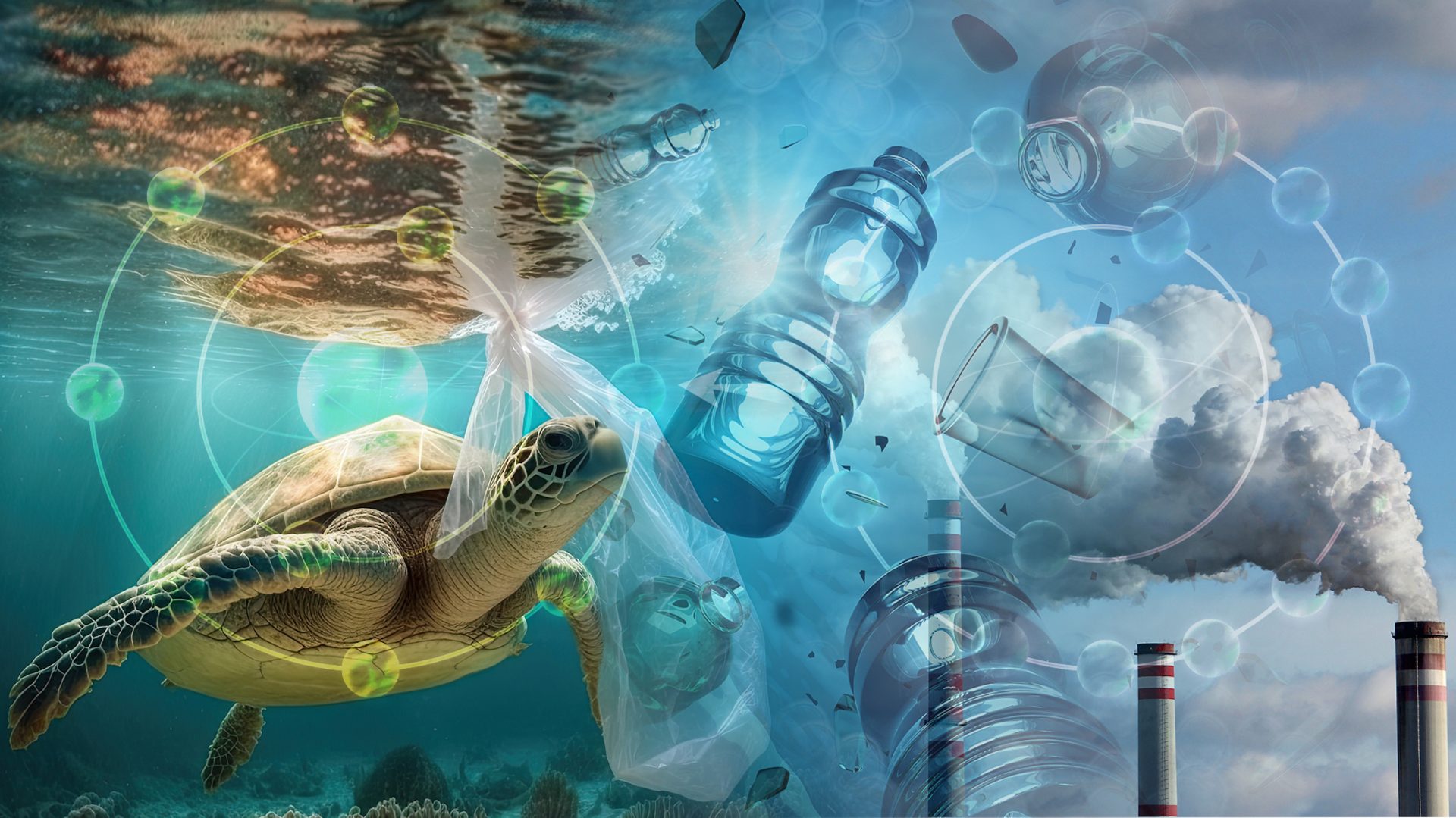
Exposure to micropollutants (microplastics, pharmaceuticals, personal care products, and pesticides) in amounts above the natural background levels in water bodies, poses a high risk to both ecological security and clean water supply. Advanced oxidation process (AOP) based on peroxymonosulfate (PMS) activation via radical mechanism is a promising water treatment technology for micropollutants decontamination.
The webinar will provide an overview of the most recent literature research focused on EPR as a method to detect and characterize environmentally persistent free radicals (EPFRs) from various pollutants such as PM, microplastics, e-cigarettes, etc. New EPR solutions and strategies such as using peroxymonosulfate in advanced oxidation process to eliminate pollutants are presented.
JULY 11, 2023 - 4PM CEST | 10AM EDT
Key Learning Topics
- EPR as a tool to measure and identify environmentally persistent free radicals (EPFRs) in air and soil
- Examples of using activated peroxymonosulfate as a powerful method to remove organic pollutants from industrial and residential wastewater via radical mechanisms
- Impact of environmentally generated free radicals on human health
Who should attend
- Environmental scientists from academia and industry
- General, R&D and QC/QA managers, lab technicians, and industrial customers from any environmental industries
- Customers from health care and polymer science/industry