
How to Implement an Efficient Quality Control Program in Preclinical Imaging: Insights from the Field
Webinar Overview
Preclinical studies using laboratory animal models are crucial to understanding the underlying disease mechanism through observations of responses to interventions and physiological and environmental changes at tissue, cell, or molecular level. As for clinical imaging, reliability, reproducibility, and repeatability are essential when groups of animals are used in a longitudinal imaging experiment. The more significant the variability of the imaging endpoint, the more animals are needed to be able to observe statistically significant differences between groups. Therefore, preclinical imaging requires quality control procedures to maintain the reliability, reproducibility, and repeatability of imaging procedures and to ensure the accuracy and precision of SPECT and PET quantification.
Recently, a joint EANM-ESMI procedure guideline has been published to provide recommendations for the implementation of an effective and efficient quality control (QC) programme for SPECT and PET systems in a preclinical imaging lab. These recommendations aim to strengthen the translational power of preclinical imaging results obtained using preclinical SPECT and PET.
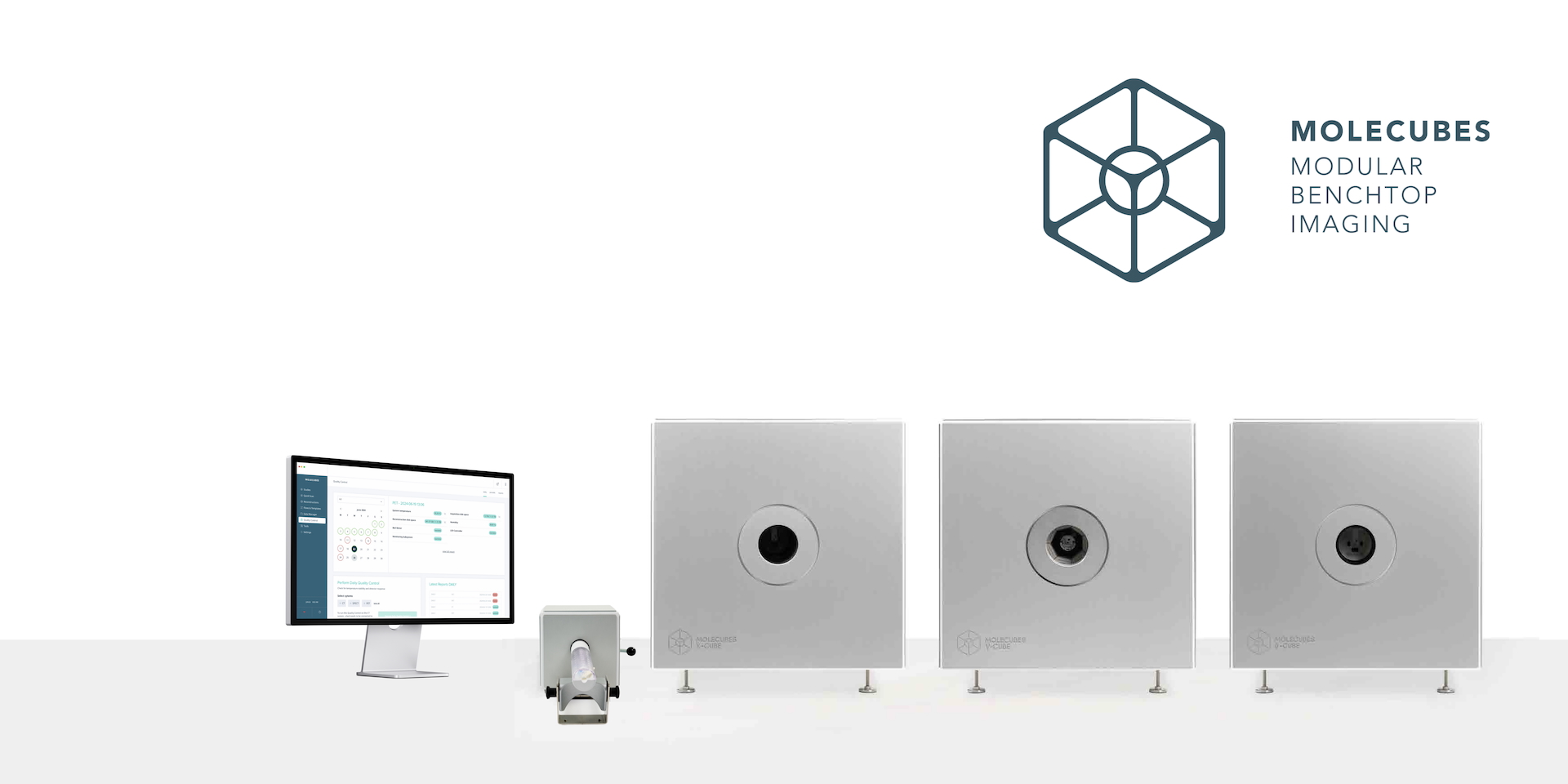
In this webinar, one of the authors will provide more insights into the published guidelines. The various criteria for the quality control program covered in these guidelines will be discussed further. Afterward, this webinar will cover how quality control procedures are implemented at MOLECUBES and how we are doing Quality control in our CUBEFLOW.
December 4, 2024 | 04:00 PM CET
Who Should Attend
The webinar is relevant to those engaged in or interested in quality control in preclinical imaging, such as laboratory technicians, researchers, quality control analysts, or specialists. In addition, this webinar will be of interest to multiple profiles in the biomedical research community, especially those applying medical imaging techniques in their work.