

Gas Chromatography – Mass Spectrometry
Gas Chromatography – Mass Spectrometry
For more than half a century, Gas Chromatography–Mass Spectrometry (GC-MS) has been one of the most powerful analytical platforms for the separation, identification, and quantification of volatile and semi-volatile organic compounds. Combining highly efficient gas chromatographic separations with information rich mass spectral information, GC-MS delivers unmatched selectivity and sensitivity across , environmental, food safety, metabolomic, materials, forensics, petrochemical, and industrial workflows.
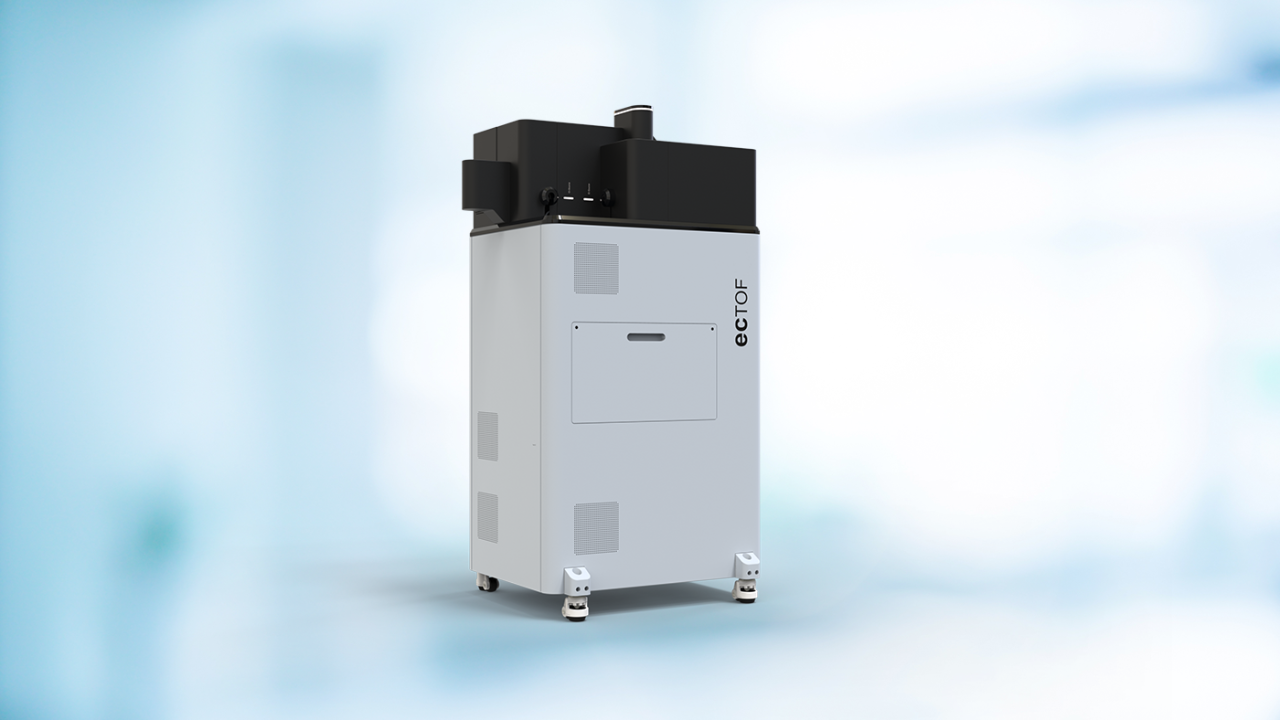
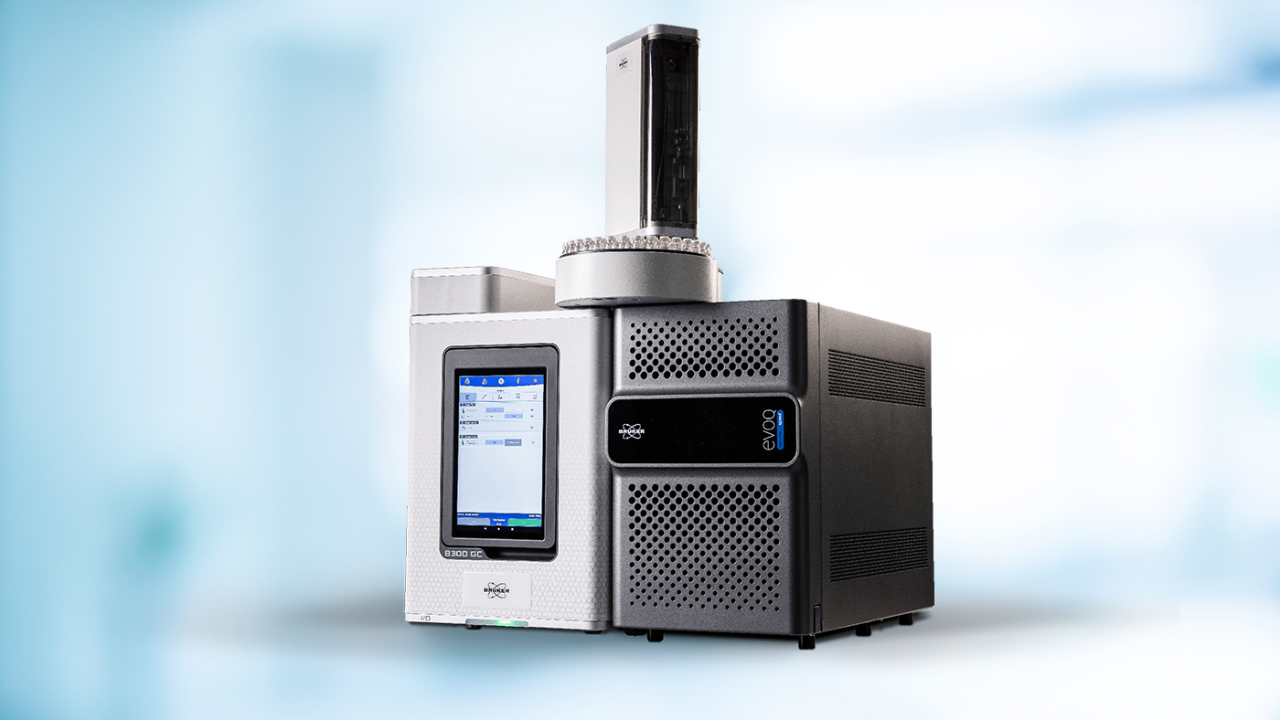
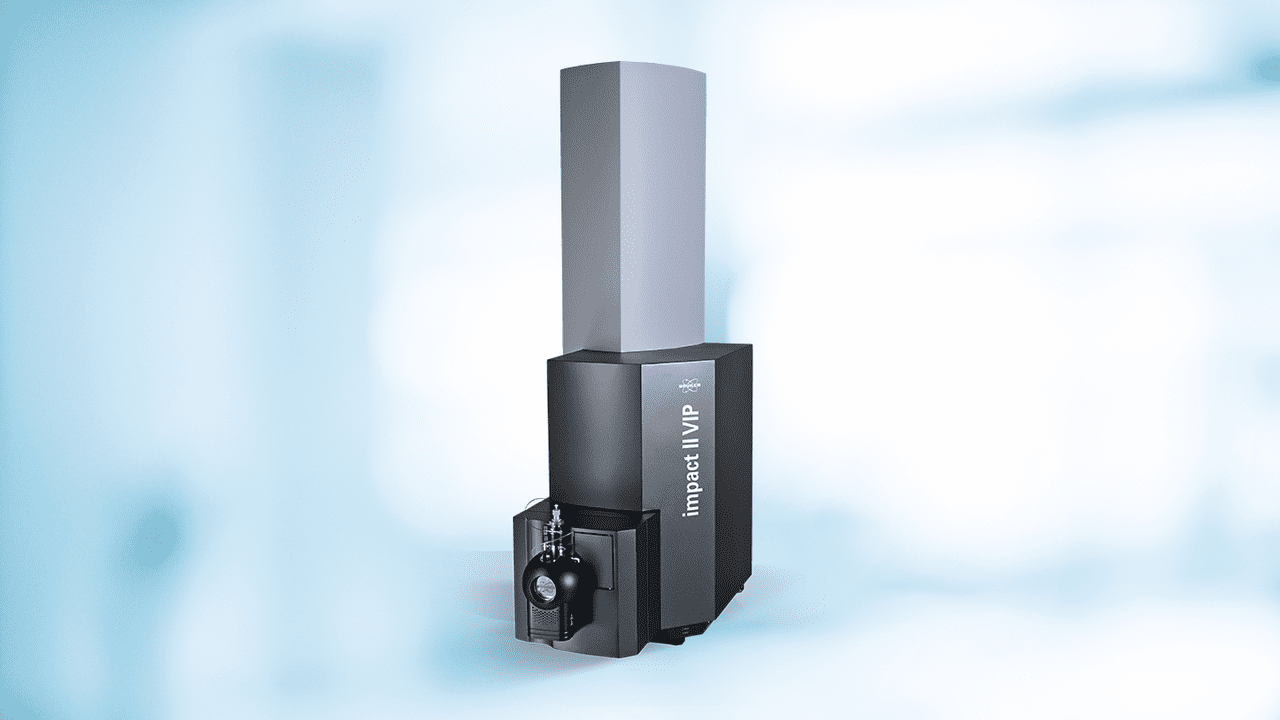
Bruker offers a comprehensive suite of GC-MS based solutions — from robust triple quadrupole systems for routine targeted quantitation to high resolution ecTOF, QTOF, and timsTOF platforms designed for advanced identification, screening, and quantitative analysis. This portfolio is complemented by a comprehensive selection of ionization techniques, including Electron Ionization (EI), alternating Electron and Chemical Ionization (EI/CI), and Atmospheric Pressure Chemical Ionization (APCI), enabling laboratories to optimize performance for both classical and emerging applications.
With intuitive software, flexible configurations, and instrumentation engineered for reliability and analytical excellence, Bruker empowers both expert and routine users to achieve confident results across even the most challenging GC-MS workflows.

GC-MS Applications
Since the first GC‑MS systems became available in the late 1950s, the method has been widely adopted and became a reference technique for real‑world analytical questions—ranging from trace contaminant screening and residue analysis to forensic identification and non-targeted metabolomics—where separation power, sensitivity, and unkown ID capabilities are essential.






Nur für die Forschung. Nicht für den Einsatz in klinischen diagnostischen Verfahren.