
GC-APCI II Ion Source
Versatility. Simplicity.
Switch between GC-MS and LC-MS within minutes

GC-APCI II Ion Source
GC-HRMS has never been so easy
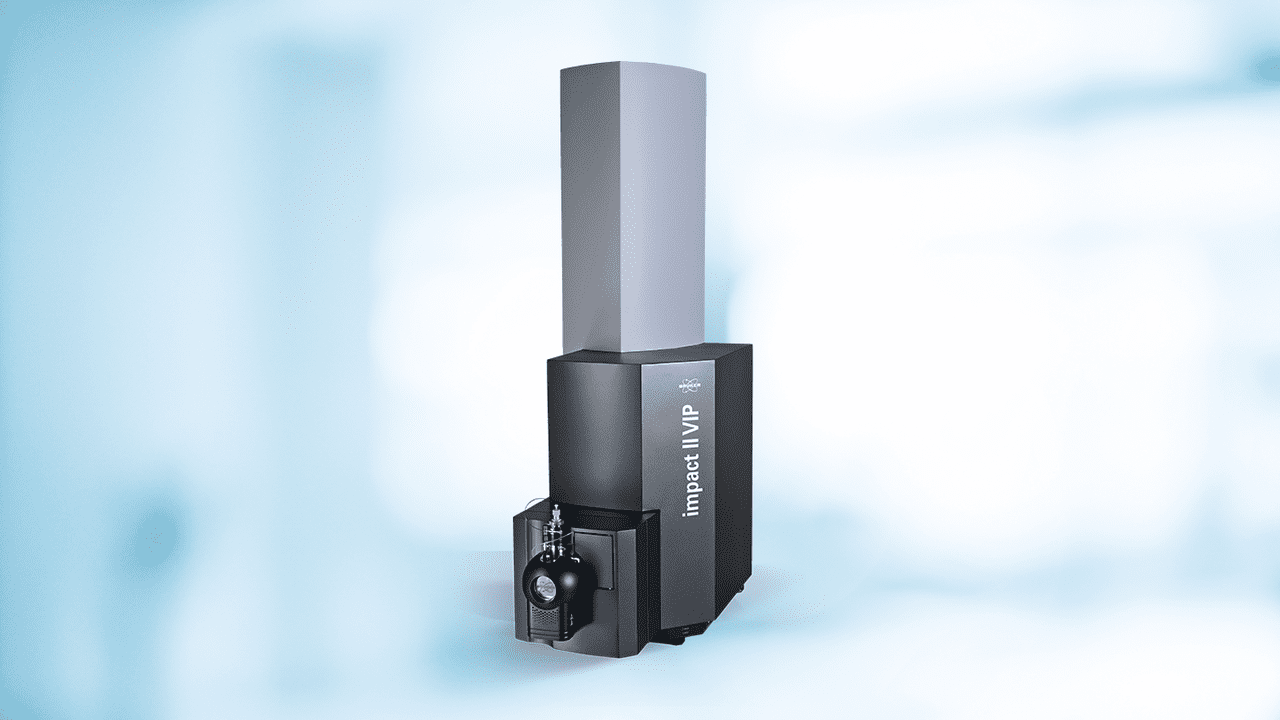
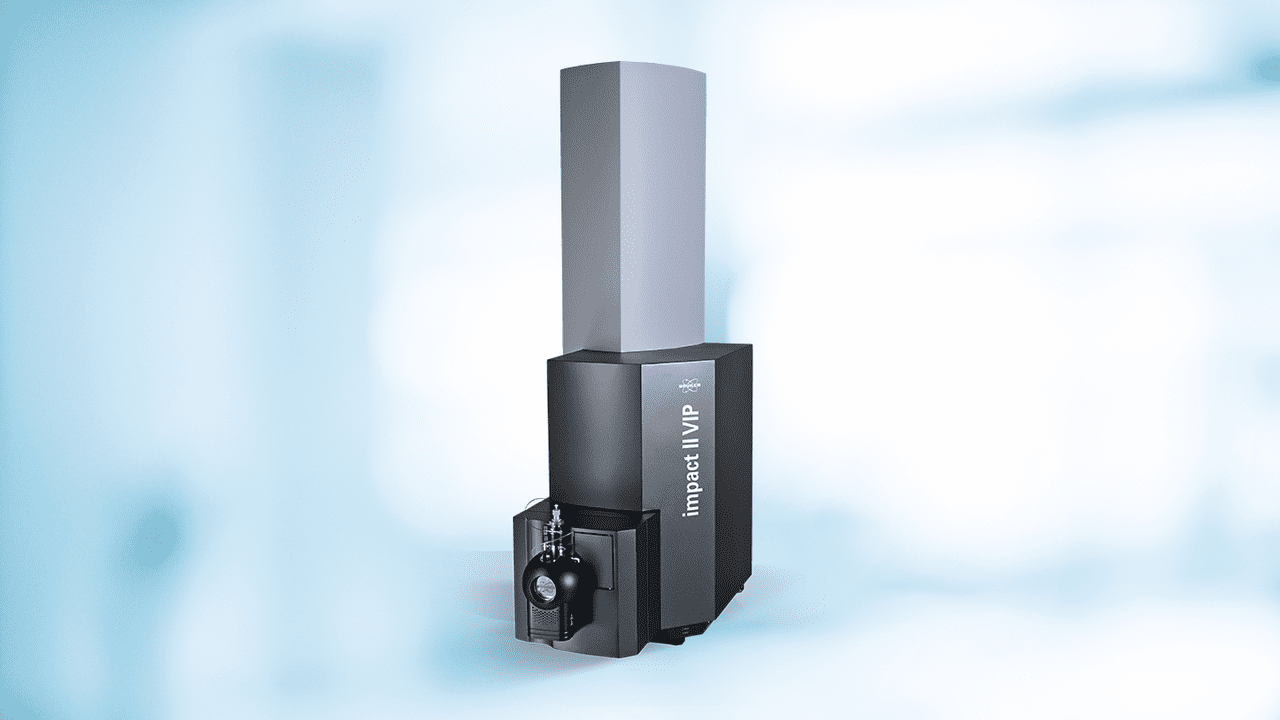
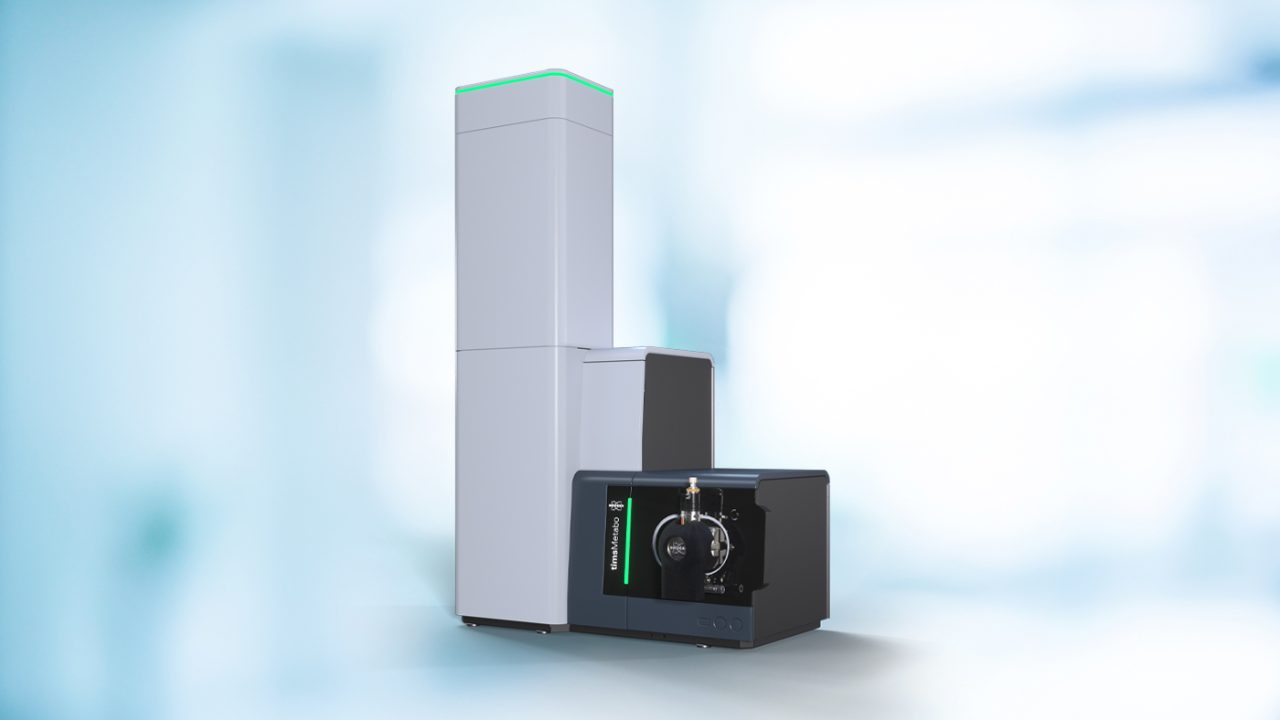
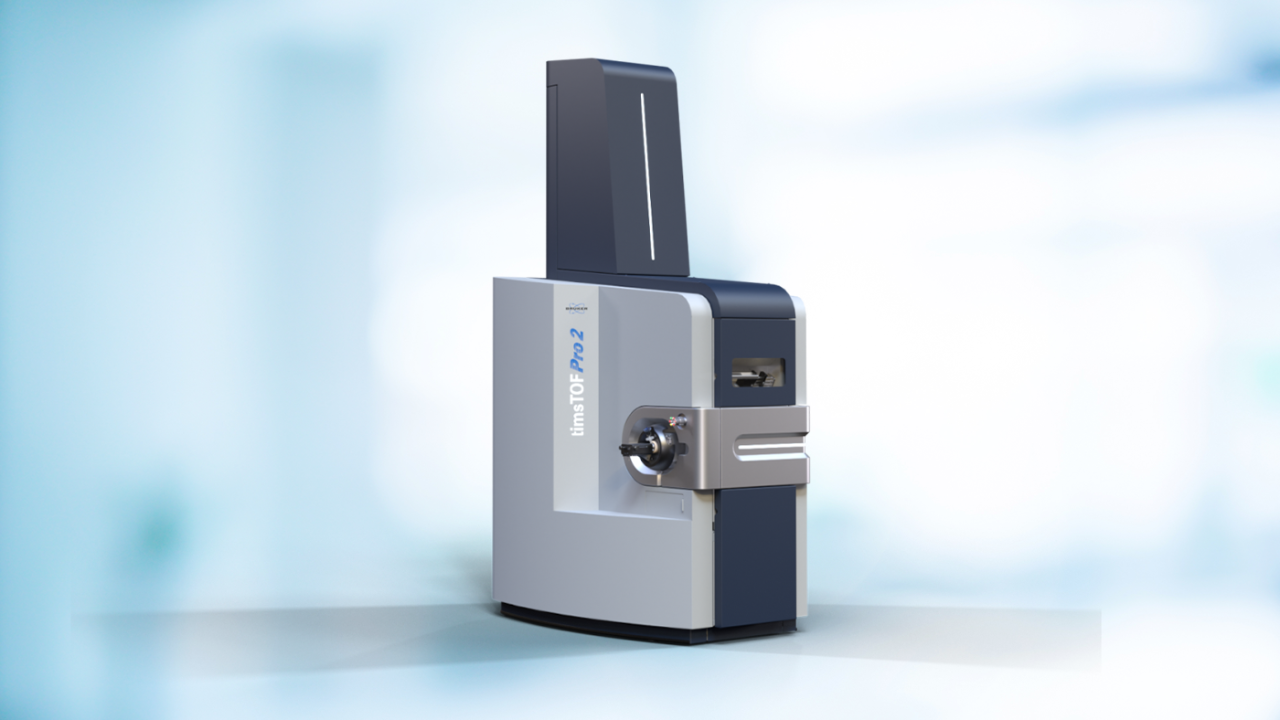
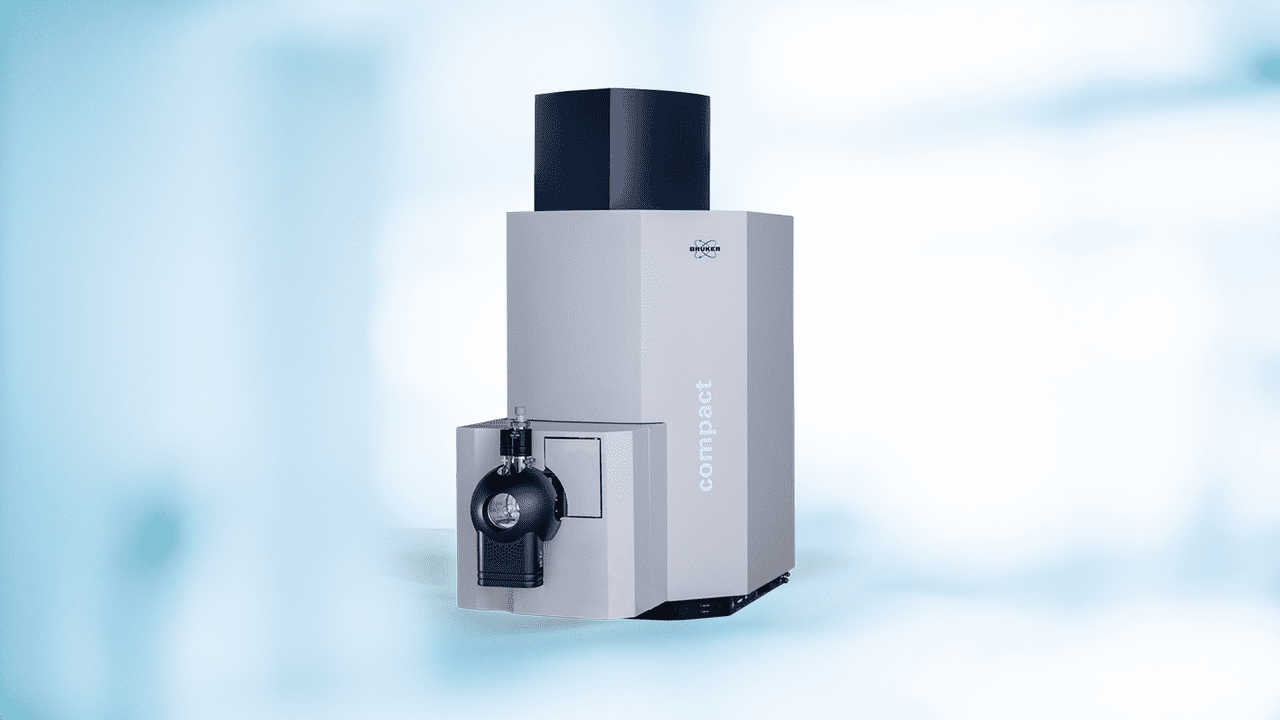
With its second-generation GC-APCI source, Bruker offers the greatest flexibility and highest performance with a combined GC frontend and high-resolution MS system for confident ID of unknown compounds using complementary MS technology. The GC-APCI II interface can be coupled to any Bruker MS system with the common Apollo II source design.
Switching of the sources without venting the vacuum
The system has the capability to be easily switched from GC to LC and vice versa without tools and within minutes. There is no need to vent the mass spectrometer to exchange the sources.
Greater Flexibility
The design of the flexible heated transfer line means that the GC and MS must no longer be precisely aligned. Interfacing the GC and MS is simpler, giving more options in positioning the MS and GC while preserving the obtained GC separation.
Automatic MS Calibration
The unique calibrant reservoir of the GC-APCI II interface enables software-controlled calibrant delivery.
Support of various GC configurations
GC-APCI II is designed to connect to state-of-the-art GC systems including 8500 GC gas chromatographs supported by Bruker HyStar software, but can also be used with third party GC systems.
Improved LLOQ
The optimized ionization chamber provides improved GC-MS performance including lower background and higher sensitivity.

Applications
Unknown ID in Metabolomics
GC-MS is one of the few standard techniques in metabolomic analysis. In recent years the combination of gas chromatography and Atmospheric Pressure Chemical Ionization (APCI) with high resolution mass spectrometry techniques has proven to be an important additional tool for the analysis of highly complex mixtures of natural products from plants and body fluids.
While standard GC-EI-MS is based on the availability of mass spectral libraries, GC-APCI allows the assignment and identification of unknown metabolites. GC-APCI II has arrived with improved performance, lower background and higher sensitivity; opening a new dimension in the analysis of metabolomic samples.
Polycyclic Aromatic Hydrocarbons (PAH)
Polycyclic Aromatic Hydrocarbons (PAH) are ubiquitous in the environment and many of them are considered to be carcinogenic. The analysis of these compounds at low concentrations is therefore an important task in environmental and food analysis.
Atmospheric Pressure Chemical Ionization (APCI) in combination with high resolution mass spectrometry techniques opens a new dimension in terms of sensitivity. APCI can be used in combination with GC and LC separation to cover the whole range of PAHs.
Dibenzodioxins and furans
Dioxins have been heavily restricted since the 1970s due to their extreme toxicity, environmental persistence, and potential to cause severe ecological and health impacts. Their long-term stability and bioaccumulation continue to make them compounds of significant environmental and public health concern. The exceptional toxicity of the so-called “dirty dozen” necessitates analytical methods with ultra-high sensitivity typically reaching the femtogram-on-column range.
Different chlorination pattern create technical mixtures of a few hundred congeners difficult to chromatographically resolve. GC-APCI can be ideally combined with hydrogen as carrier gas for highest chromatographic resolving power amongst all carrier gases.
Both environmental and food analysis can benefit not only for dioxin- and furan analysis but also other POPs like polychlorinated Biphenyls or brominated compounds.




Nur für die Forschung. Nicht für den Einsatz in klinischen diagnostischen Verfahren.