Particle Analysis by Whole Filter Imaging
From filter to complete polymer classification in under 30 minutes.
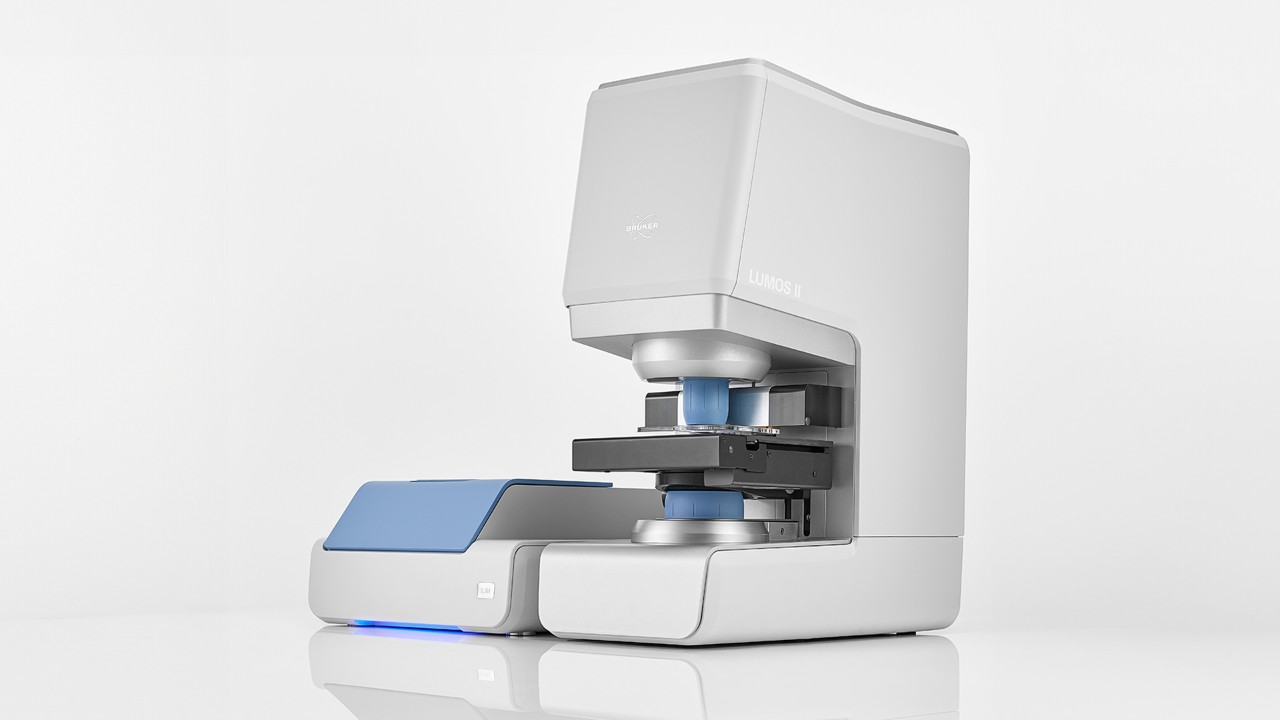
Spend less time at the instrument while achieving outstanding throughput. Identify all particles across entire filters in world‘s leading speed. ParticlePlus™ was built for LUMOS II ILIM and automates the entire workflow from data acquisition to AI-driven analysis, making it a true end-to-end solution.
Any filter type. Any operator. Reproducible results.
By choosing ParticlePlus™ you get a complete and robust solution that detects and classifies microplastic particles of any shape and size at unprecedented speed and ease of use.
- High throughput, minimal effort. Fully automated whole-filter acquisition frees users to focus for higher-value tasks.
- AI-powered polymer identification by MPID. Machine-learning models trained on verified reference materials reliably identify all major polymer types — including degraded or mixed particles.
- No IR expertise needed. Consistent, reproducible results across operators, filter types, and projects.
- Full filter type flexibility. Compatible with Anodisc, metal-coated, and silicon membrane filters in standard sizes.
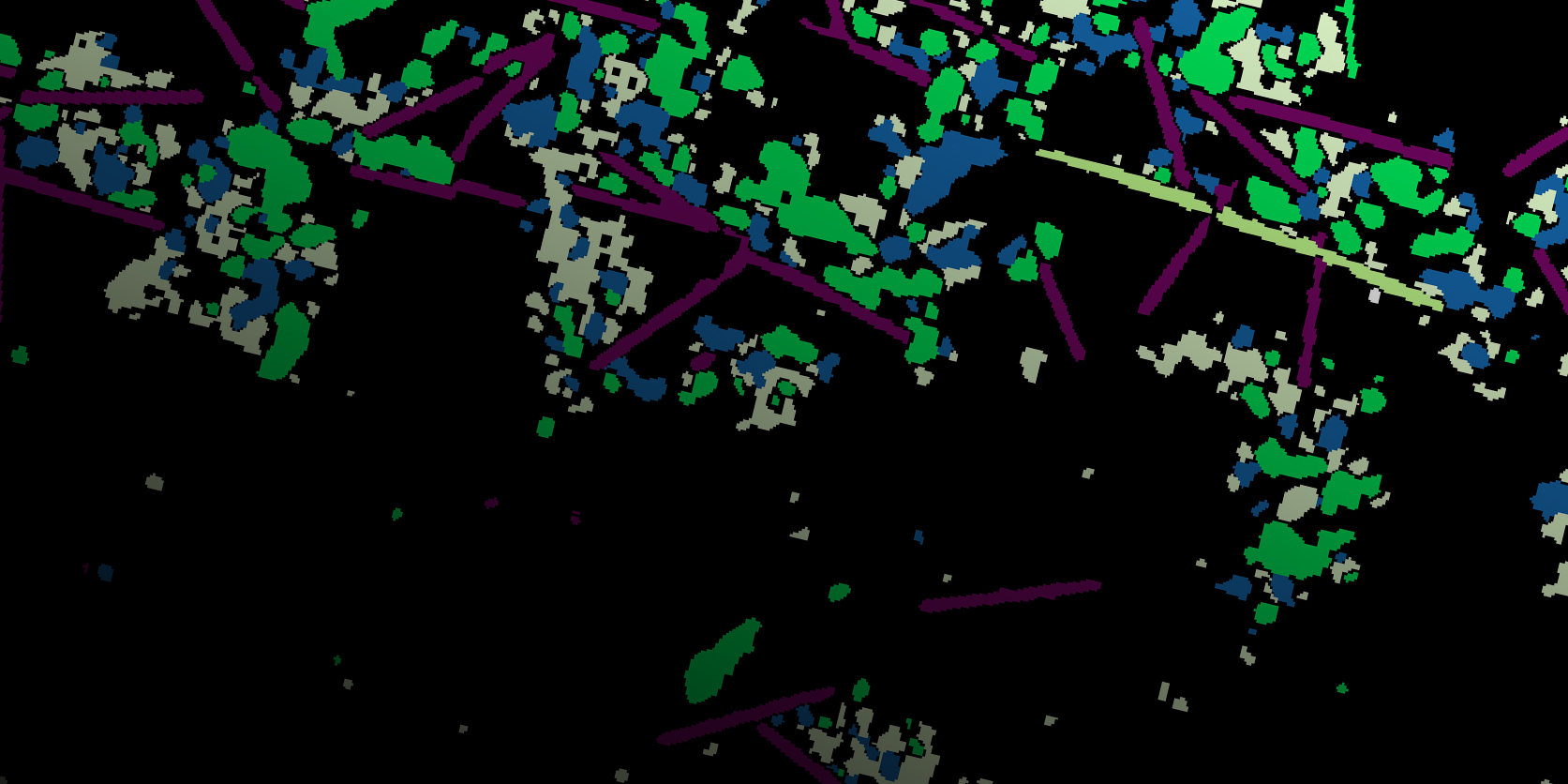
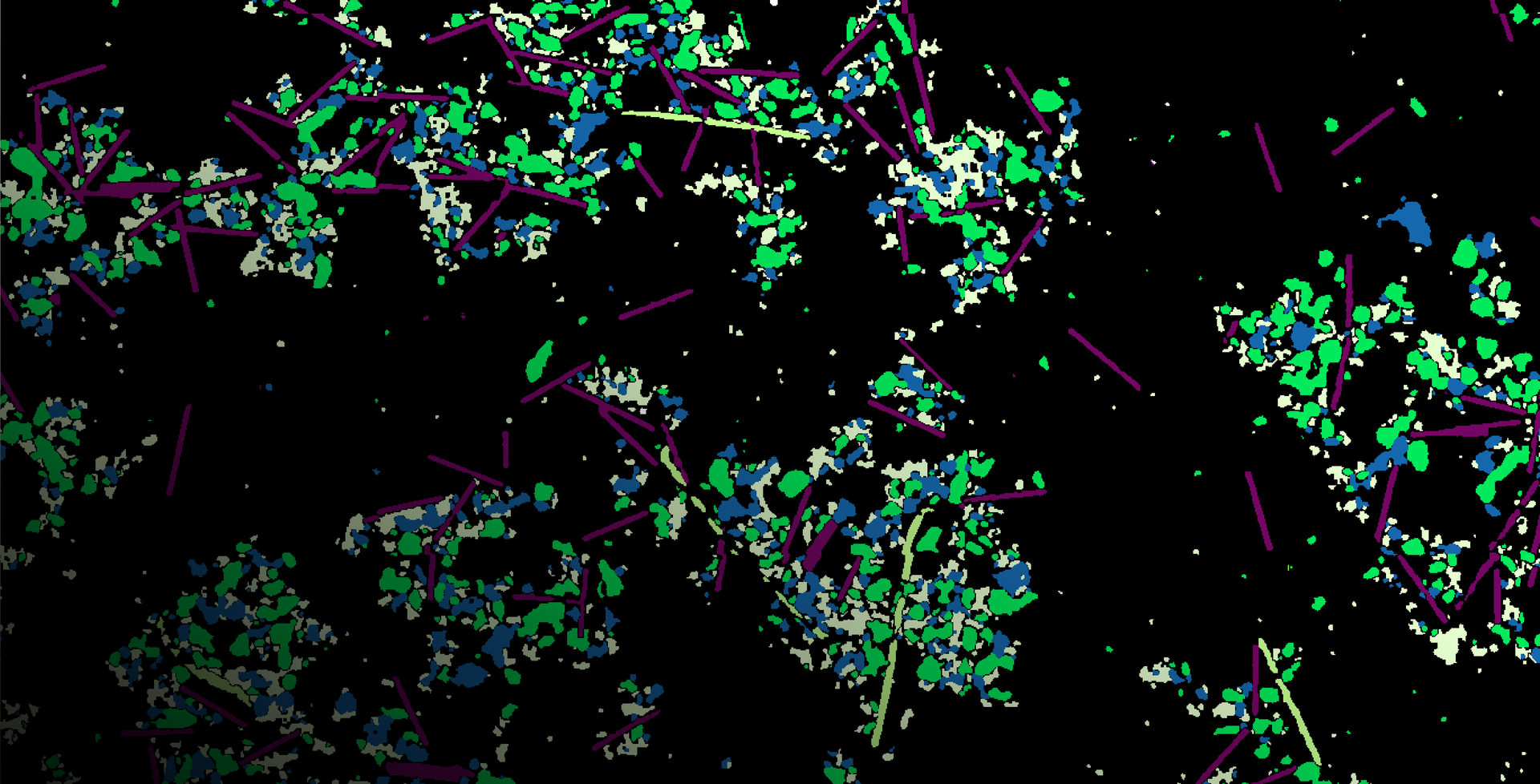
Explore real-life data acquired by ParticlePlusTM
Environmental Sample: 16 Minutes.

High-Density Sample: 27 Minutes.

How to work with ParticlePlusTM
Analyzing particulate matter has never been faster or more robust. See how ParticlePlus™ automates the entire workflow, from whole filter acquisition to spectral identification with report-ready results in minutes.
Routine-ready operation at your fingertips.
Getting started is effortless. Select a workflow configuration, assign it to the sample ID, and submit. From there, ParticlePlus™ takes over, tracking every work item from planned to done, keeping experimental series organized and fully on schedule.

Run any type of filter. Automatically.
ParticlePlus™ supports all common filter types and sizes out of the box and knows where to measure. The system automatically recognizes the installed sample plate, visualizes the filter layout, and guides the measurement setup. Seven focusing positions are used to calculate the filter topography, ensuring optimal focus and high-quality spectral data across the entire filter.

Instant, report-ready results by integrated AI-driven data analysis.
Per filter, 22.5 million IR spectra are automatically analyzed in minutes by Bruker‘s Microplastic Identifier (MPID), generating an interactive classification map that shows microplastic distribution across the entire filter. The map links to the particle list, which reports polymer class, particle size, shape, and identification quality. Selecting any particle in either view opens up a spectral overlay with the matched library reference. Summary statistics are report ready and exportable.