


Process Analytical Technology
Transforming Production Processes with Real-Time Insights
Bruker’s Process Analytical Technology (PAT) solutions empower industries to achieve smarter, faster, and more reliable manufacturing. By integrating real-time analytics into production workflows, PAT enables proactive quality control, reduces waste, and accelerates time-to-market - making it a cornerstone of modern process optimization.
What is PAT?
Process Analytical Technology (PAT) is a science-based framework for designing, analyzing, and controlling manufacturing processes through timely, in-line or real-time measurements of Critical Quality Attributes (CQAs). It supports the principles of Quality by Design (QbD) by embedding quality into the process from the beginning, rather than relying solely on end-product testing.
PAT aligns with the Cost, Time, and Quality triangle, helping manufacturers achieve:
Cost Reductions
PAT helps reduce manufacturing costs by:
- Minimizing waste and rework through real-time monitoring.
- Lowering energy and material usage.
- Reducing the need for off-line testing and manual interventions.
By integrating PAT, companies can shift from reactive to proactive quality control, saving money and ressources across the entire production lifecycle.
Time Savings
PAT accelerates production and development by:
- Enabling faster decision-making with real-time data.
- Reducing delays caused by quality issues or batch failures.
- Supporting continuous manufacturing and lean operations.
This leads to shorter time-to-market and more agile responses to demand changes—especially valuable in industries like pharmaceuticals and specialty chemicals.
Improved Quality
PAT ensures consistent, high-quality output by:
- Monitoring Critical Quality Attributes (CQAs) and Critical Process Parameters (CPPs).
- Providing deeper process understanding and control.
- Supporting regulatory compliance (e.g., FDA, EMA, GMP).
High quality reduces recalls, improves customer satisfaction, and strengthens brand reputation.
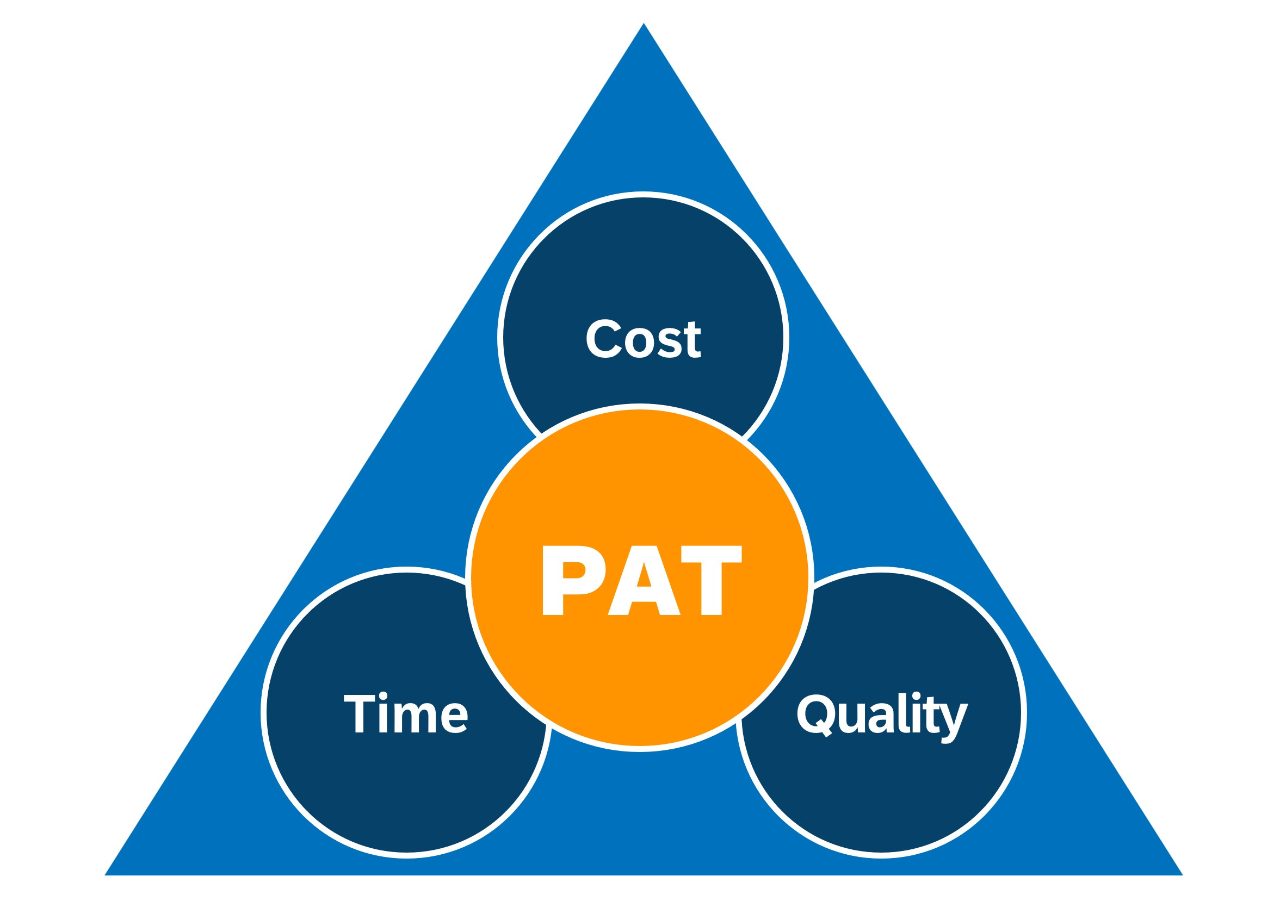
Balancing the Triangle
Traditionally, improving one corner (e.g., quality) meant sacrificing another (e.g., cost or time). PAT breaks this trade-off by enabling simultaneous improvements in all three areas. It transforms manufacturing into a smarter, more efficient, and more sustainable process.
By integrating PAT into production, companies gain deeper process understanding, improve operational efficiency, and build a strong foundation for digital transformation in manufacturing.
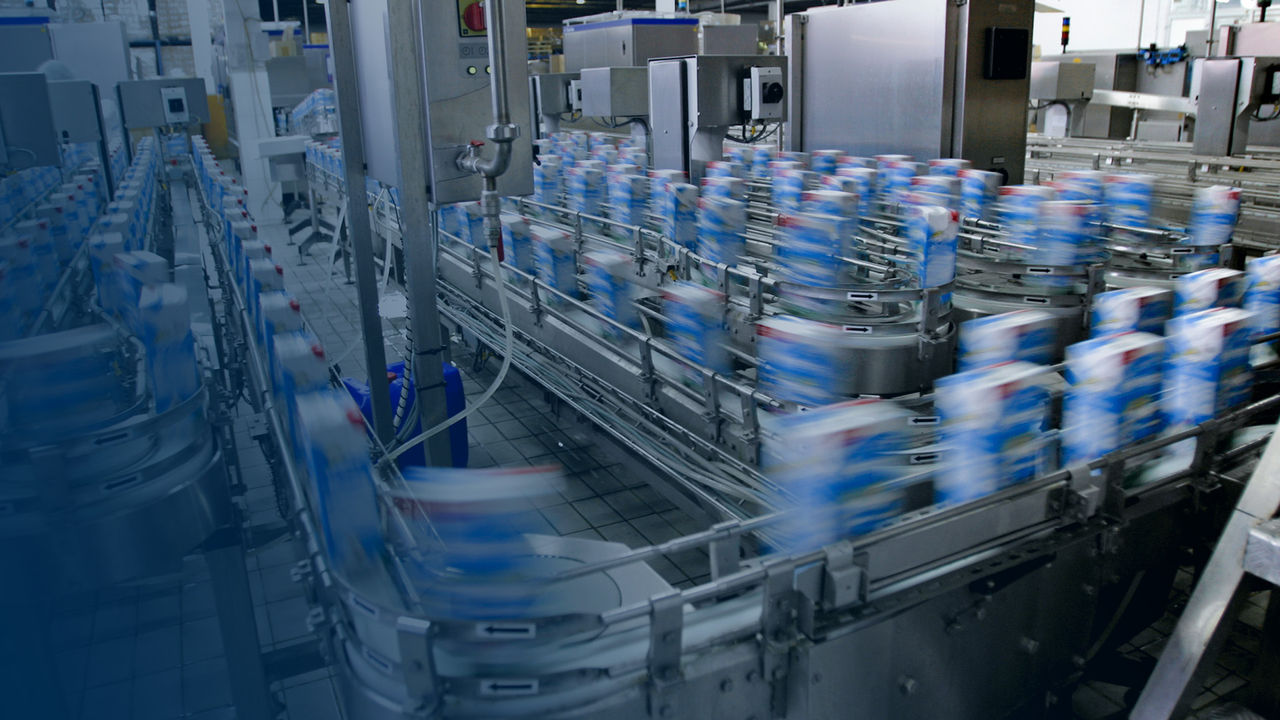
Industry Applications



Why Choose Bruker for PAT?
Bruker’s PAT portfolio brings together advanced analytical instrumentation with software platforms for orchestration and knowledge management, enabling real‑time process understanding and consistent control across manufacturing environments. We combine deep scientific expertise with robust engineering, delivering systems that are both precise and production-ready. We also ensure our software supports the practical requirements of PAT deployment, helping organizations achieve value quickly and reliably. Built for seamless integration and long-term reliability, even in demanding environments, our technologies support faster decision-making, reduce reliance on offline testing, and ensure data integrity and regulatory compliance. This leads to reduced waste, optimized yields, and consistent product quality.
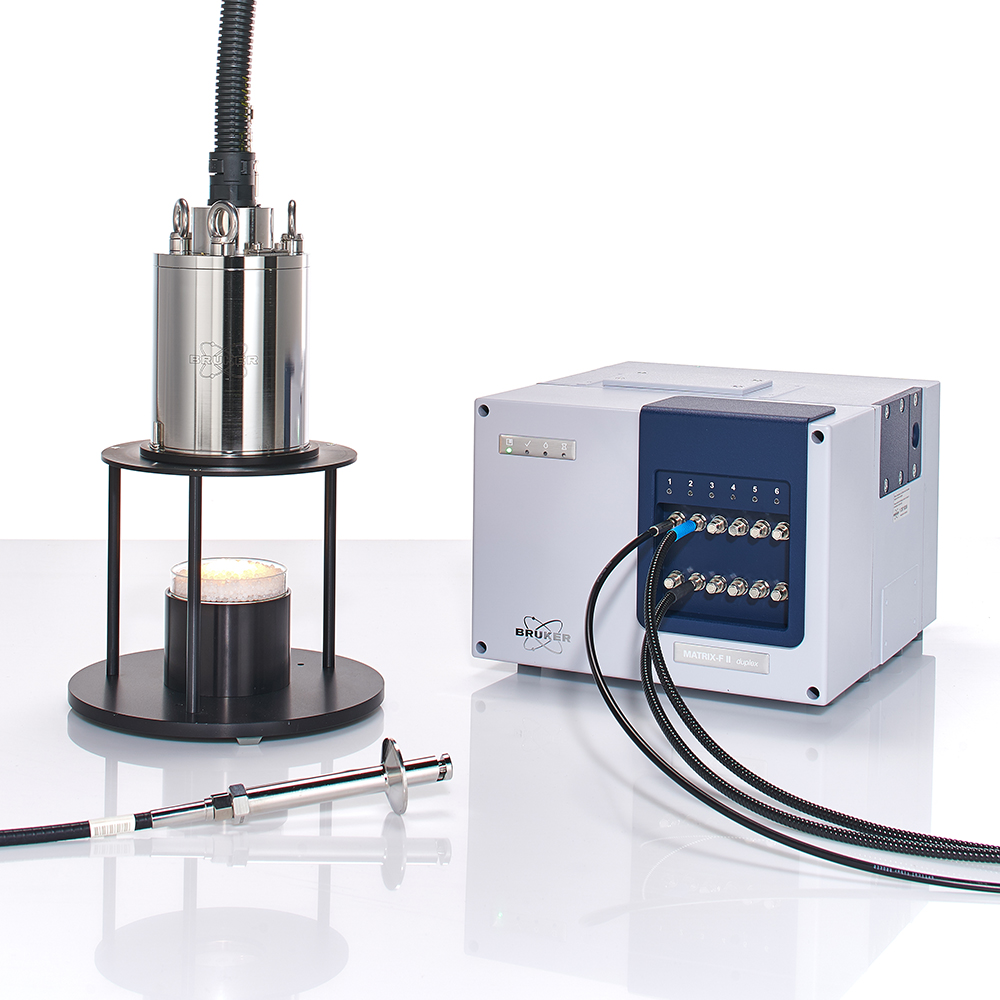
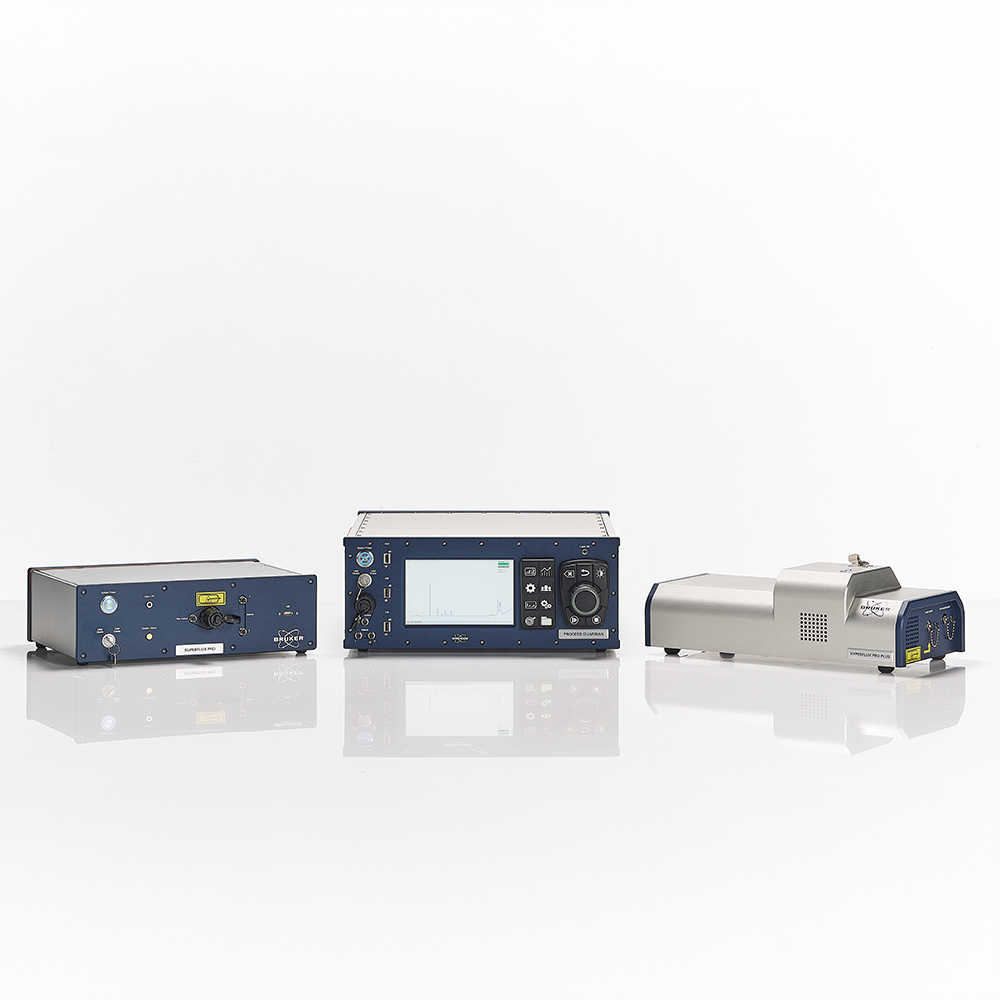
Our process analyzer portfolio includes FT-IR, FT-NIR, Raman spectroscopy, Magnetic Resonance, and X-ray Diffraction (XRD), each offering deep insights into chemical and biological processes at every stage of production. Beyond hardware, we also offer a widely adopted process orchestration software platform that connects instruments, models, and control systems, supports standardized GxP‑compliant workflows, and makes PAT deployable at scale.Whether you're working with small molecules, biologics, or non-pharma applications, Bruker’s solutions adapt to batch, continuous, and hybrid manufacturing environments. We empower digital transformation and operational excellence across industries, helping companies modernize and streamline production.
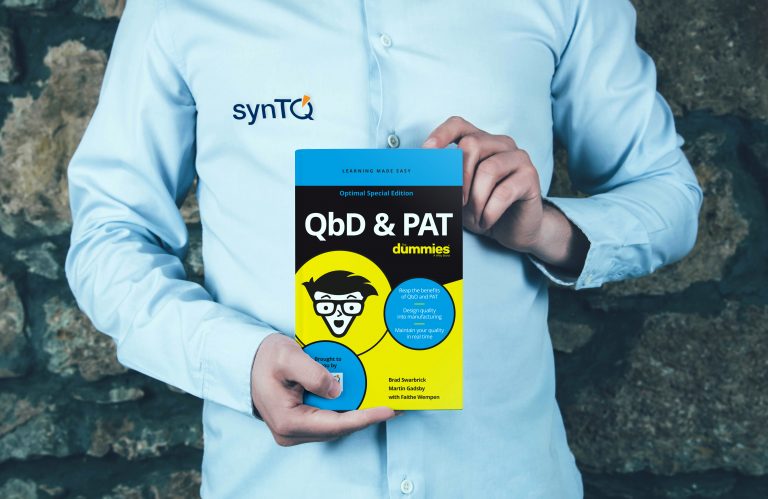
Free eBook:
‘QbD & PAT for Dummies’ offers a simple and easy to follow guide on what Quality by Design (QbD) and PAT are, the regulatory framework supporting these approaches, as well as how leveraging these concepts can positively transform production processes and quality testing.
Get in touch to get the book:
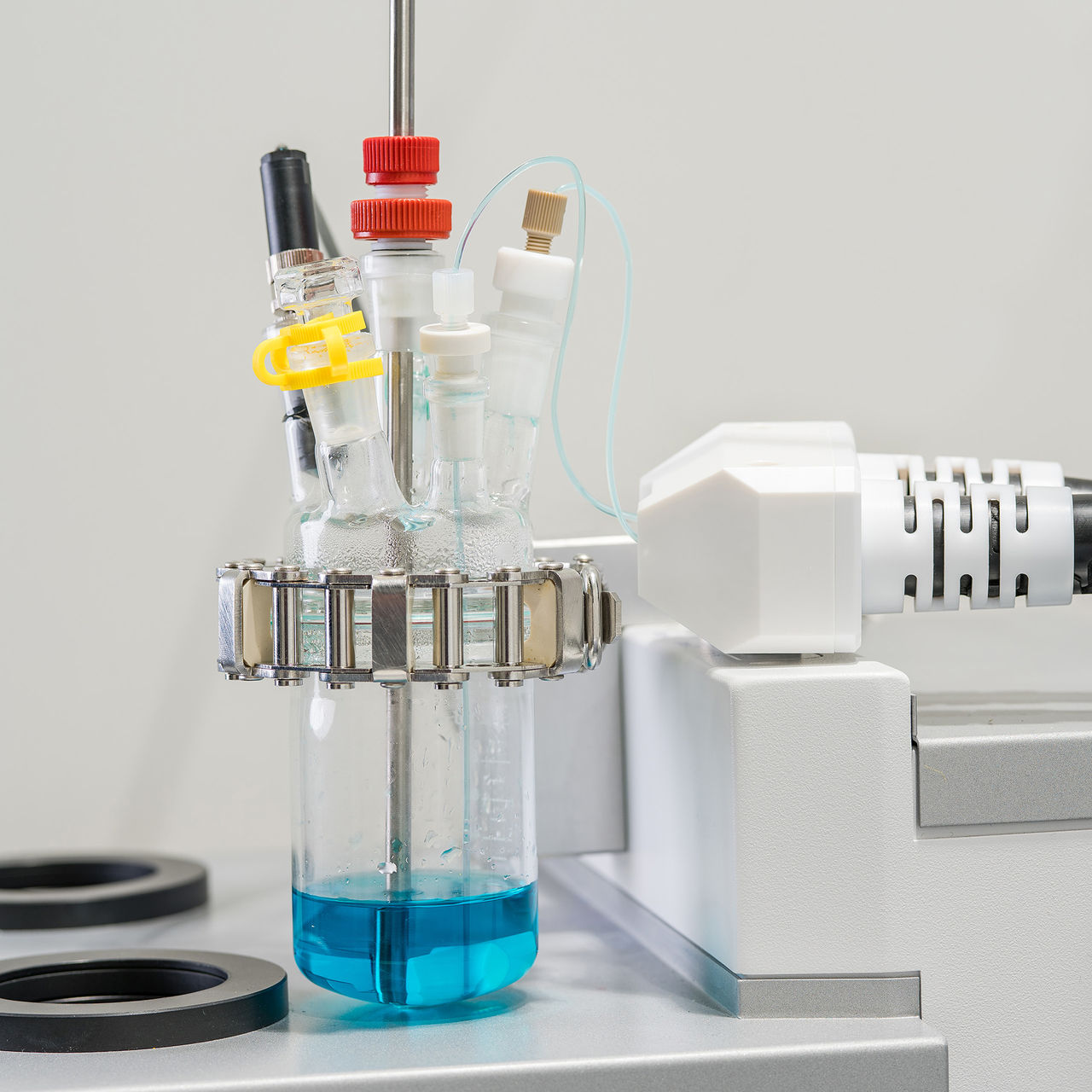
Bruker's PAT tools installed for reaction monitoring
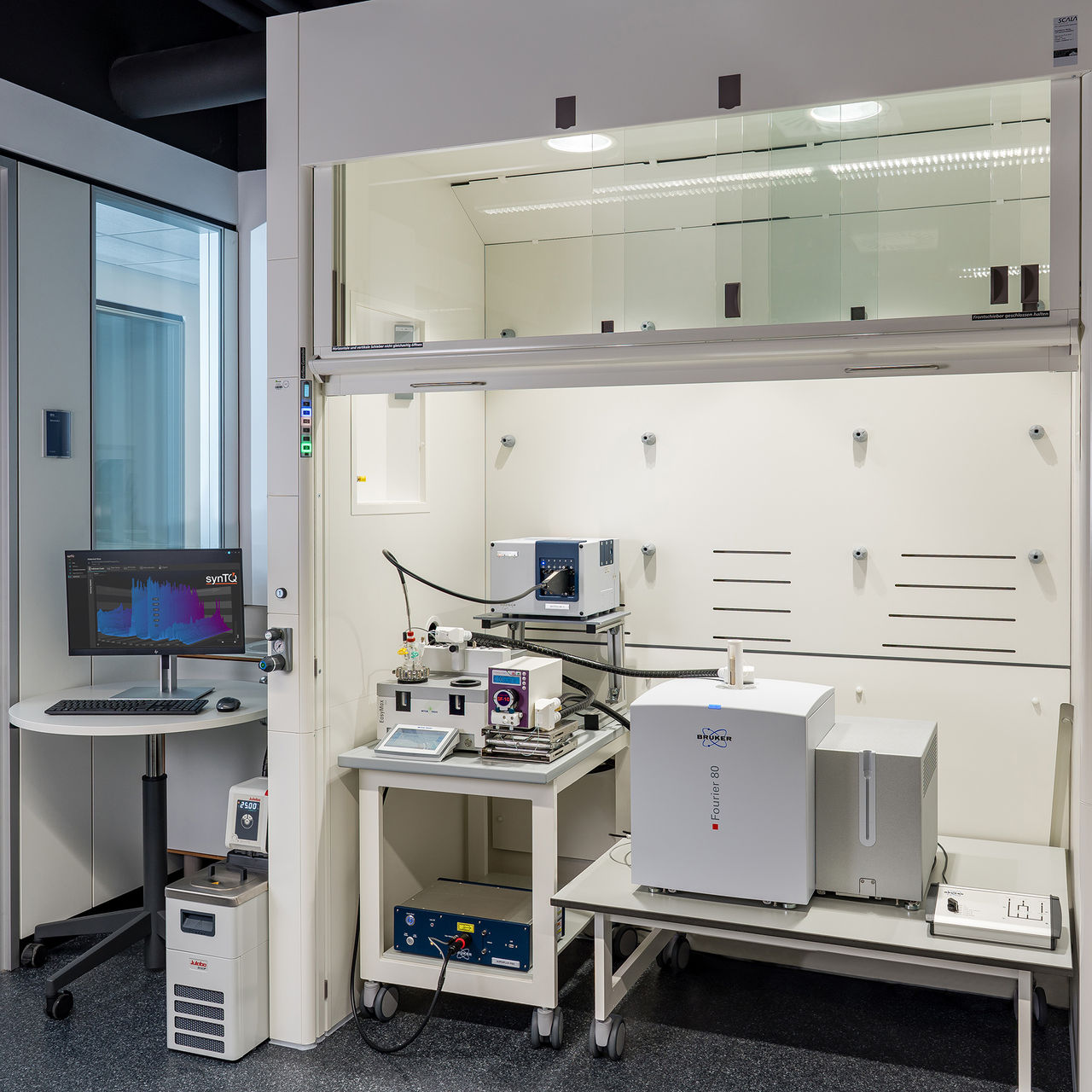
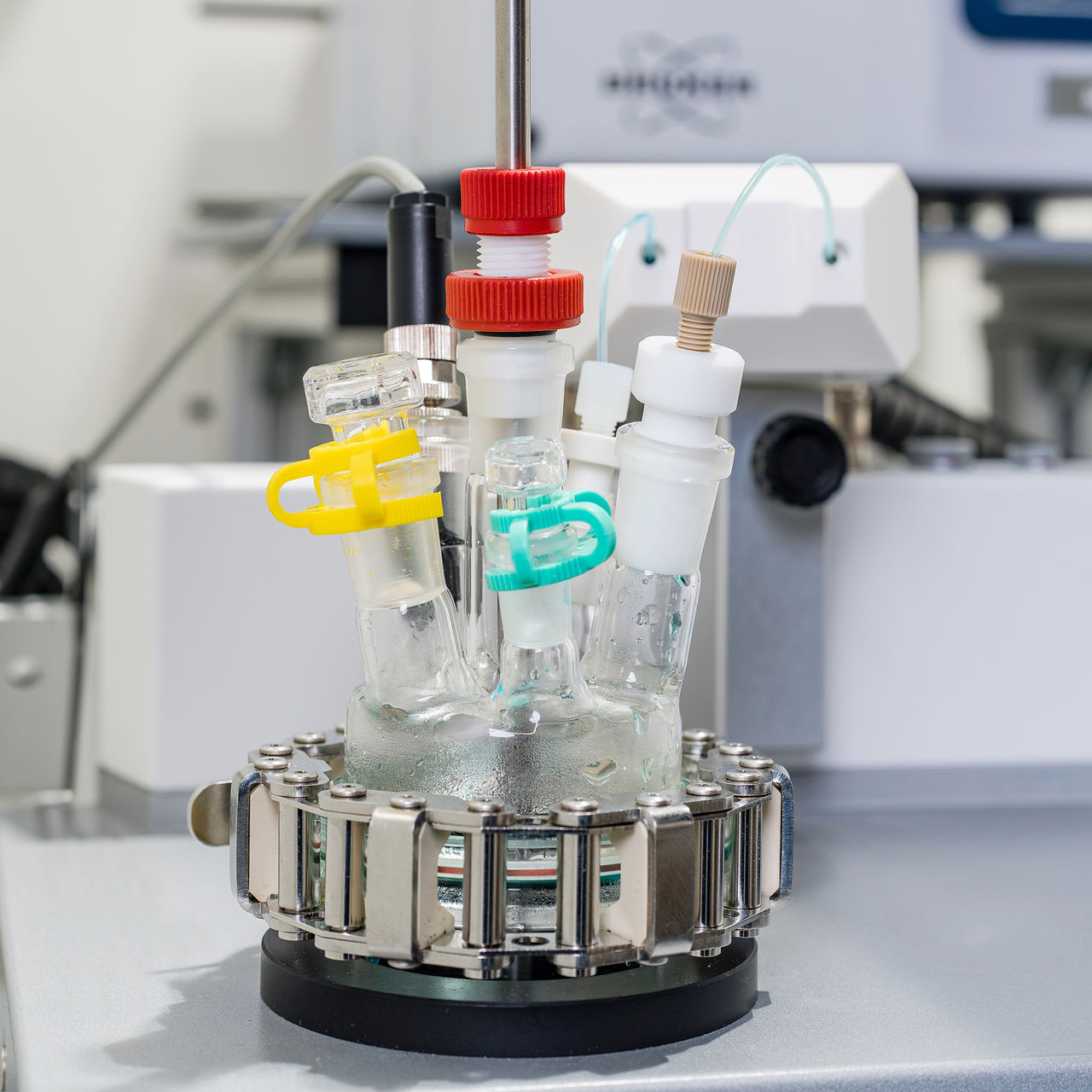
Detailled view of installed probes and capillaries
Reactor immersed in temperature controlled environment
synTQ (synchronised Total Quality)

Contact Us

Hardware
Learn which solution best supports your analytical process by speaking with our specialists.
Software
Reach out to explore how our software can help you manage data, workflows and results more efficiently.