

EPRW 2026
Welcome to EPRW 2026
We are thrilled to announce our participation in the 16th European Pesticide Residue Workshop (EPRW), which will be held in Rotterdam, The Netherlands from June 8th to 12th, 2026.
Discover our latest solutions for environmental analysis at the Bruker Booth No. 30:
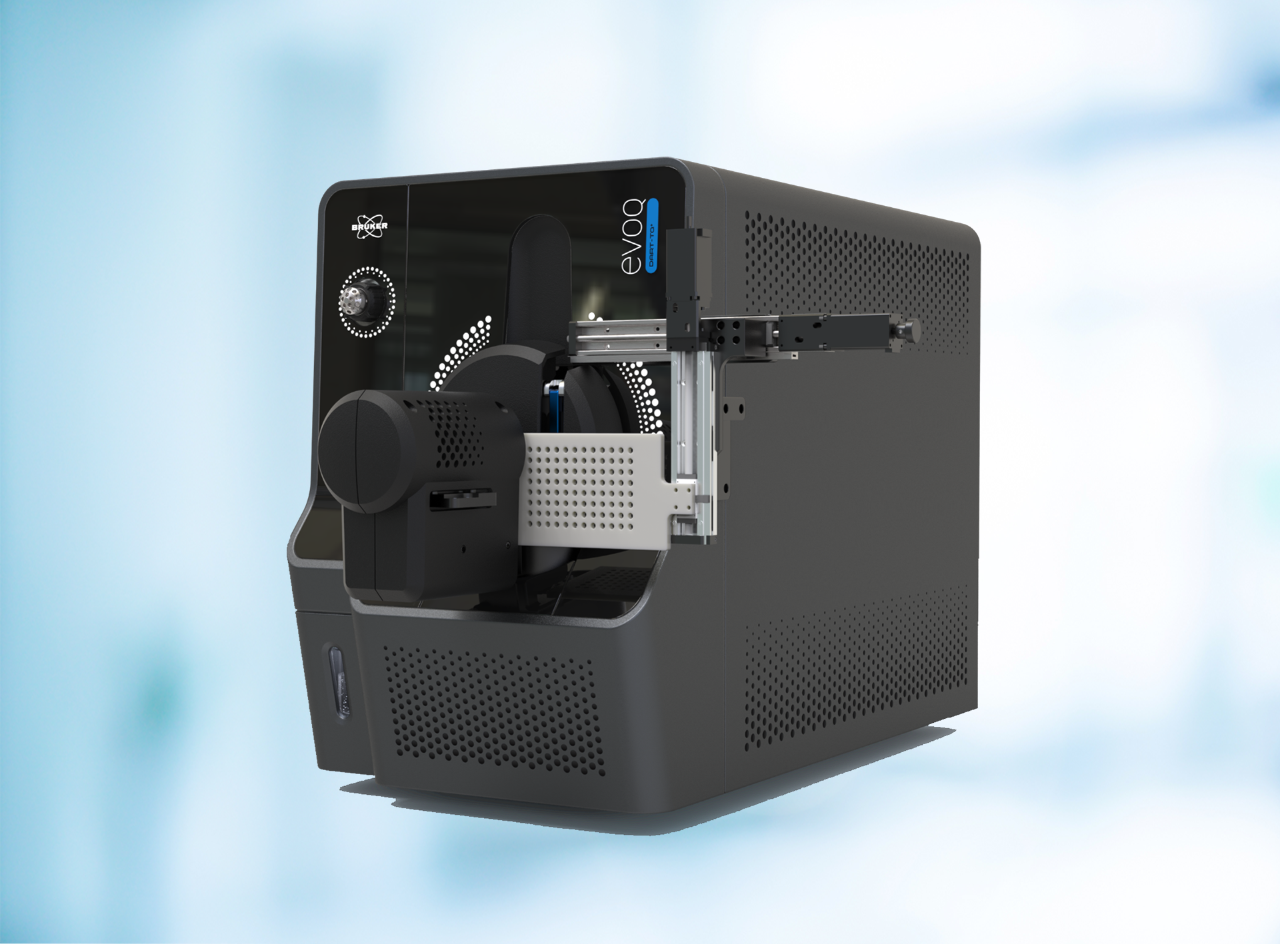
For Routine Testing Labs - EVOQ® DART-TQ+: The EVOQ® DART-TQ+ is designed for routine testing labs that require robust and reliable quantitation of pesticide residues and persistent organic pollutants (POPs). This advanced triple quadrupole system offers high sensitivity and meets all global regulations, ensuring precise and consistent results for your environmental testing needs, including moving to chromatography-free workflows with direct analysis in real time (DART).
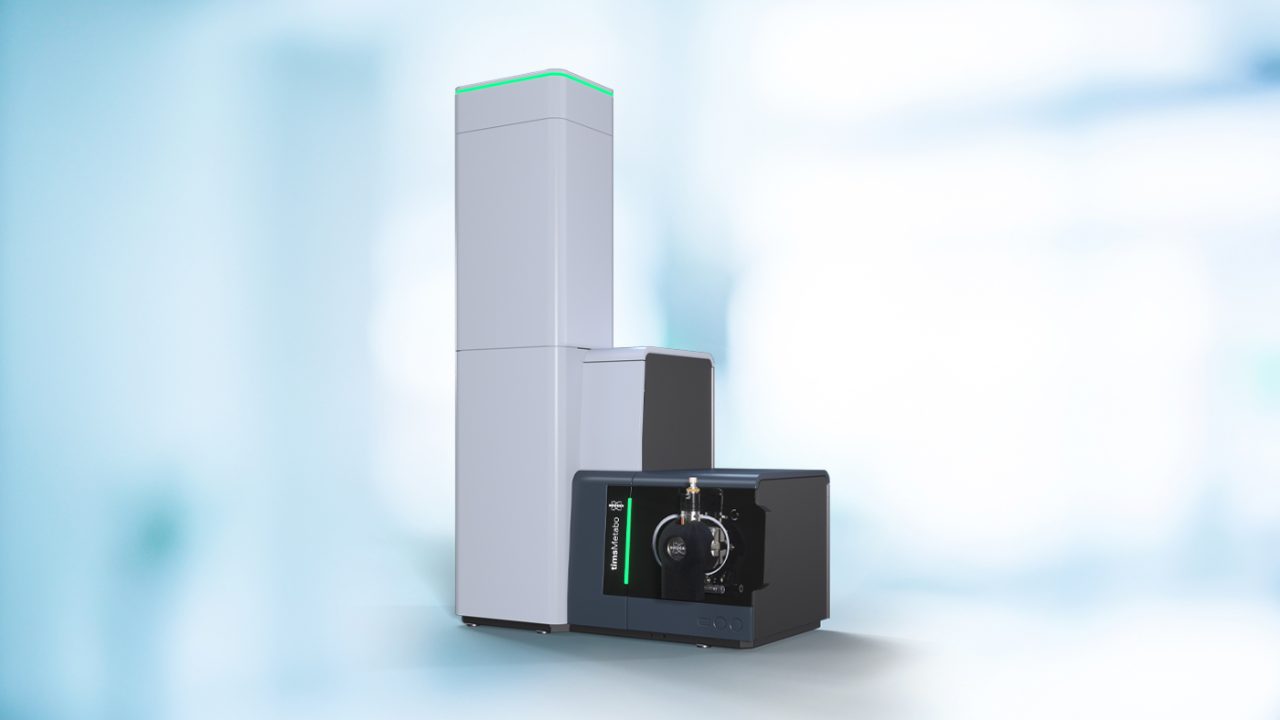
For Advanced Screening and Metabolomics – timsMetabo™: The timsMetabo™ platform is built for laboratories that need confident identification and comprehensive characterization of complex samples. By combining high‑resolution QTOF mass spectrometry with trapped ion mobility separation (TIMS), timsMetabo delivers enhanced sensitivity, structural insight, and robust separation of isobaric and isomeric compounds. It supports both targeted and non‑targeted workflows and is ideal for advanced screening, trend analysis, and in‑depth profiling of environmental and food-related samples.
Stop by the booth No. 30 to learn more about the EVOQ® DART-TQ+ and timsMetabo™, and to chat with our experts.
You can also connect with our team through an oral presentation and poster contributions, with full details provided below.

16th European Pesticide Residue Workshop
8 - 12 June 2026
Interplan Congress
Postillion Hotel & Convention Centre WTC Rotterdam
Beursplein 37
Meent 110
3011 AA Rotterdam, The Netherlands
Bruker Booth #30
Oral Presentation: Trapped Ion Mobility Time-of-Flight Mass Spectrometry as an advancing approach for Pesticide Screening and Quantification in Routine Analysis
Join Florian Hägele, Ph.D., (Head of the Pesticide Residue Laboratory at CVUA Stuttgart, Germany) as he presents how trapped ion mobility spectrometry coupled with time‑of‑flight mass spectrometry (TIMS‑ToF) enhances routine HRMS‑based pesticide residue analysis. Using food samples from routine and proficiency testing, it demonstrates how adding ion mobility and collision cross section (CCS) values information overcomes key limitations of conventional HRMS, such as matrix interferences, structural ambiguities, and false positives.
Attendees will gain practical insights into:
- How TIMS adds an orthogonal separation dimension to HRMS, improving selectivity and identification confidence
- Use of CCS values as a robust identification parameter across platforms and conditions
- Reduction of false positives (25% on average; up to 50% in challenging matrices like herbs and citrus)
- Faster and more efficient data evaluation in large targeted screening workflows (>1,200 pesticides)
Poster Presentations

Poster Presentations at EPRW 2026
- Novel Triple Quad Approaches for Sensitive Quantification of 1,000 Compounds in Single Runs
- A Comprehensive Method for Pesticide Residue Analysis Leveraging High-Resolution Mass Spectrometry
- Evaluation of a New Ultra-Sensitive Trapped-Ion-Mobility-QTOF MS for the Analysis of Pesticides in Food Extracts


研究用にのみ使用できます。臨床診断には使用できません。