Small but Mighty:
80 MHz vs. 400 MHz
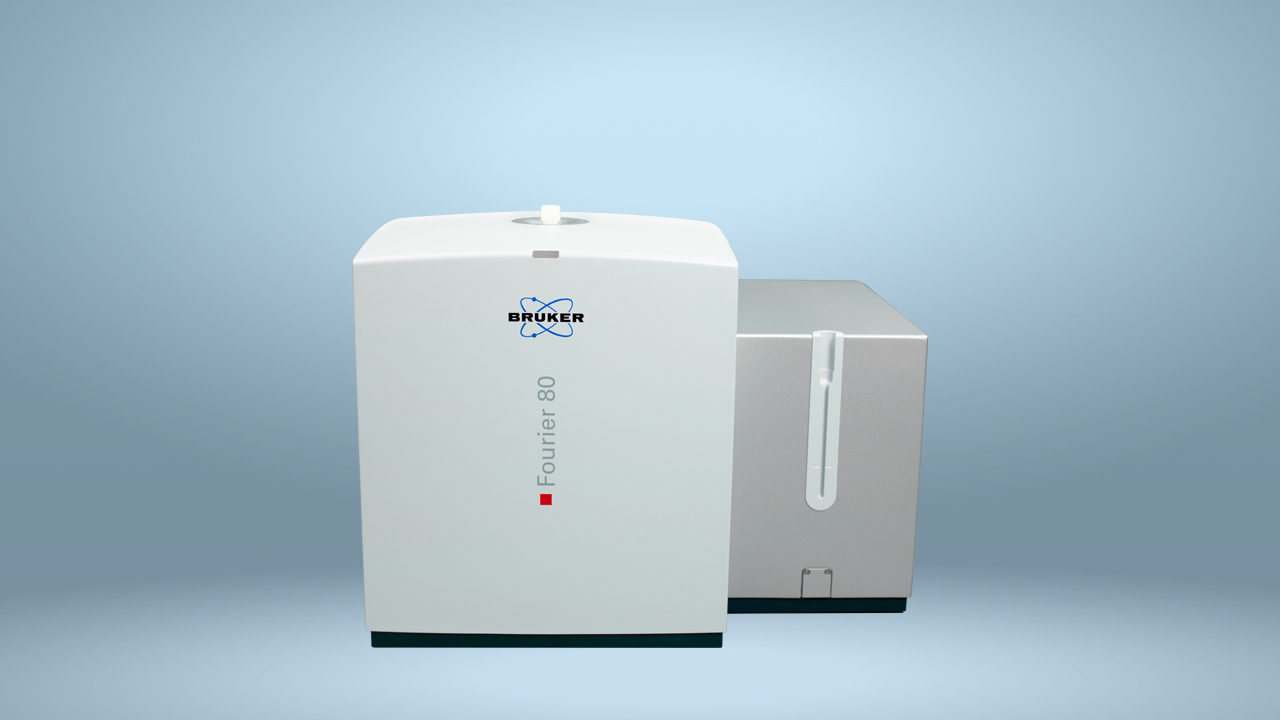
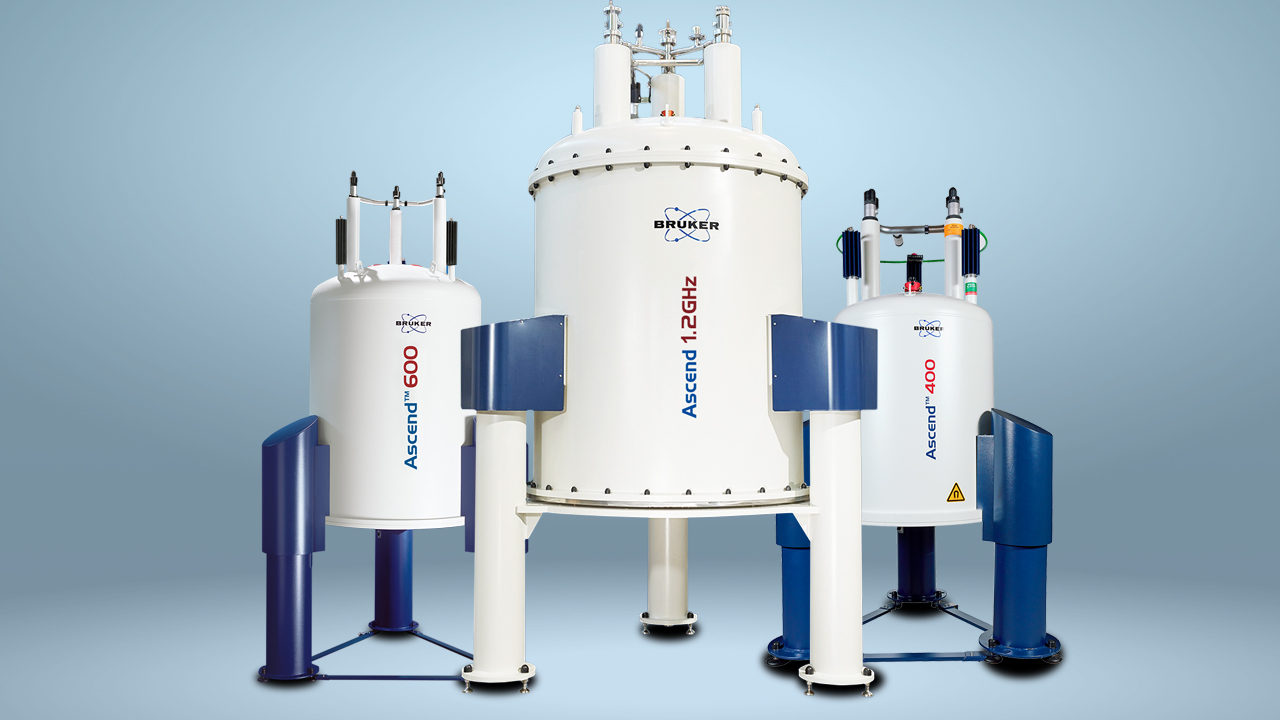
The application note contrasts spectral quality, sensitivity, resolution, dispersion, coupling behavior, workflows, and hardware to clarify where the benchtop Fourier 80 excels and where high‑field systems are advantageous. It highlights the practical advantages of the Fourier 80 – external lock, no deuterated solvents, and simplified experimental setup. It also showcases specific use cases including quantitation and structure verification and one case where 80 MHz provides cleaner paramagnetic spectra than even 1.1 GHz
Key points
- 400 MHz gives sharper, more detailed spectra; 80 MHz is broader but still clear for many samples.
- 400 MHz is much more sensitive; 80 MHz improves with more scans and is easier to use (no deuterated solvents, simple setup).
- Fourier 80 works well for simple mixtures, fast 2D analysis, and some specialised cases.
Download the application note to see real sensitivity data, measurement workflows, and direct comparisons between 80 MHz and 400 MHz NMR. Learn how you can run samples in regular solvents - no need for deuterated solvents - making advanced spectroscopy more accessible and cost-effective for your lab.