Applications of IR Biotyper® - Biosurveillance of Candida auris and 2 Tales of Salmonella spp
Abstract
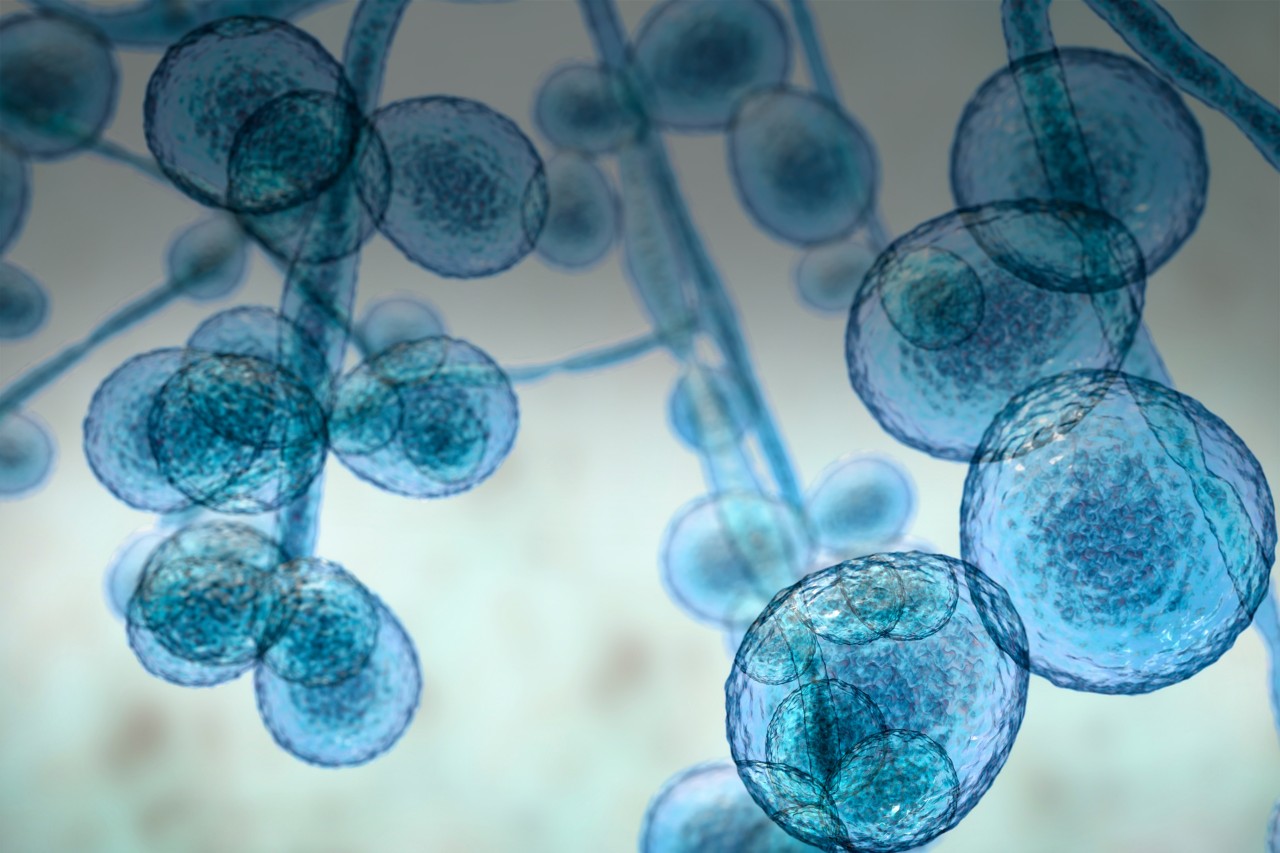
Candida auris is a multi-drug resistant yeast that continues to be a global threat for infection and transmission in hospitals, skilled nursing, and long-term care facilities. Cases of C. auris continue to rise and have increased by 318% since the first case reported in the US back in 2015.
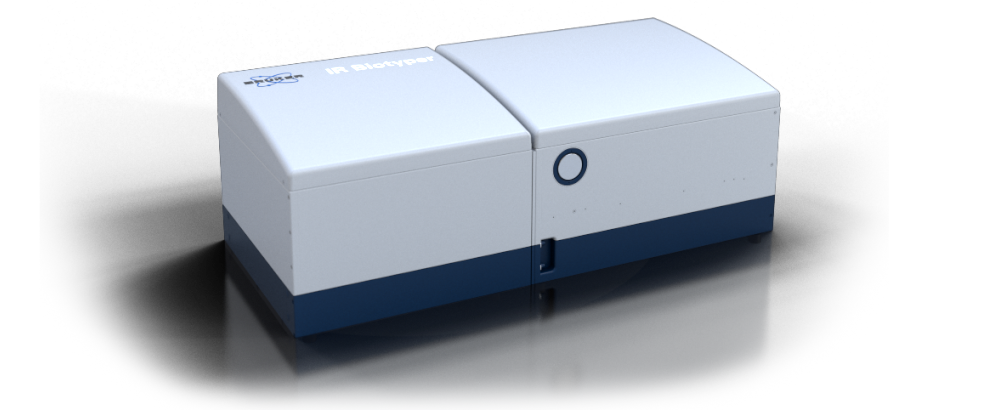
Here, we discuss implementation of an effective diagnostic surveillance algorithm needed for the prevention of nosocomial spread of C. auris within the hospital setting, which includes the rapid identification of C. auris by RT-PCR assay coupled with the Bruker IR Biotyper® for C. auris strain typing to provide tracing information for outbreak investigation.
We have performed this two-tiered surveillance for over 800 at risk patients being admitted into our hospital and have identified 28 positive specimens (4%) over a one-year period. Clonal relatedness analysis by the IR Biotyper, supplemented by whole genome sequencing (WGS) has shown grouping of two significant clusters. The majority of our isolates belong to circulating lineage associated with C. auris Clade III and a subset belonging to Clade I, which all exhibit susceptibility to Echinocandins. Low numbers of genomic variants points to local and ongoing transmission within the Los Angeles area not specifically within the hospital setting.
In summary, implementation of this two-tier diagnostic algorithm incorporating both a rapid identification platform and the IR Biotyper® for C. auris strain typing has allowed for rapid identification and epidemiological surveillance of C. auris in high-risk patients assisting in the control of C. auris within the hospital setting.
We also present 2 tales of Salmonella spp. and conclude with a Q & A session.
Key Learning Objectives
- Illustrate the IR Biotyper® as a robust alternative method for strain typing
- Identify new applications of the IR Biotyper® within the Clinical Microbiology laboratory
- Discuss FT-IR technology as it applies to fungal strain typing, particularly, among Candida auris strains
- Demonstrate the utilization of artificial neural network for strain typing prediction based on strain classifiers
Not for use in clinical diagnostic procedures. Please contact your local representative for availability in your country.

Dr. Deisy Contreras
Clinical Associate at Cedars-Sinai Medical Center, Los Angeles, CA
Dr. Deisy Contreras is the Clinical Associate at Cedars-Sinai Medical Center. Deisy received her Ph.D. in Biomedical Science and Translational Medicine from Cedars-Sinai Medical Center. She then moved on to complete her CPEP Clinical Fellowship at UCLA and became board certified by the American Board of Medical Microbiology (ABMM) in 2019. She joined the clinical team at Cedars in 2020 where she has been in integral part of implementing numerous molecular diagnostic assays for clinical virology and the Special Pathogens Team. She has a passion for seeking out new technology applications as it pertains to diagnostics in infectious disease.