
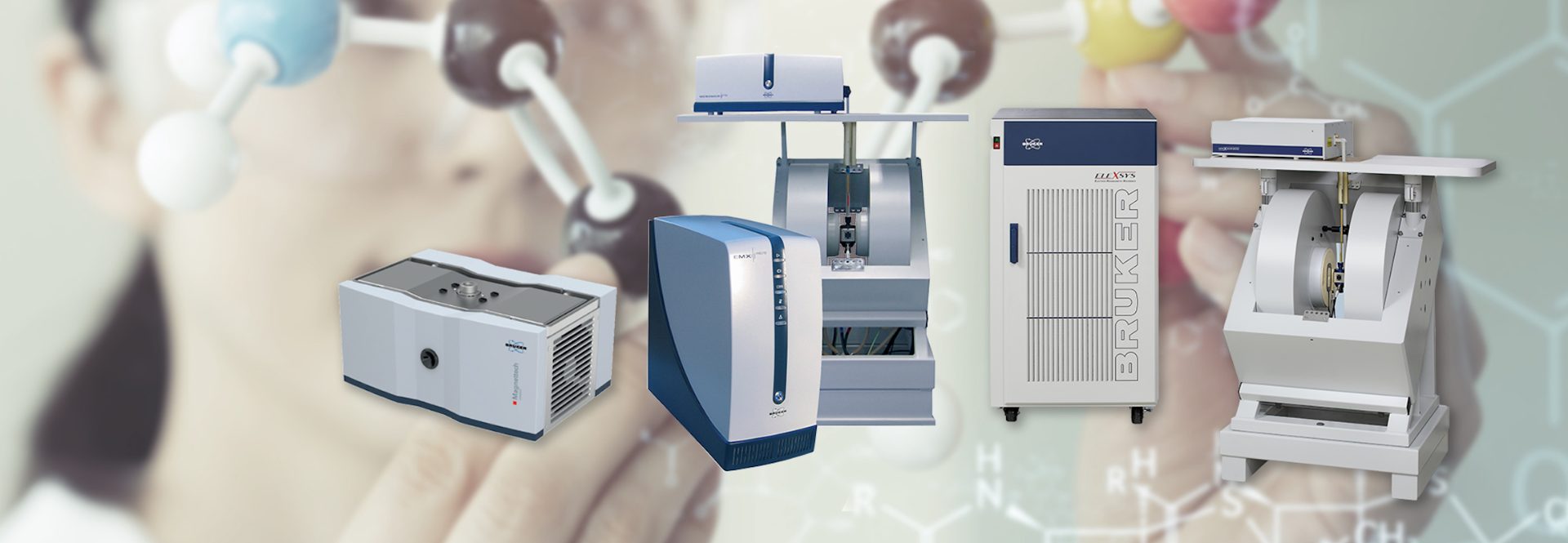
EPR Spectroscopy for Understanding Structure-Function Relationships in the Field of Energy Conversion and Material Science
Key Learning Points
- Introduction to EPR spectroscopy
- The importance of studying catalysis with EPR
- Examples of EPR applications from the field of catalytic energy conversion
Who Should Attend?
- Synthetic chemists working in inorganic chemistry
- Biologists who are interested in enzymatic reactions
- Material scientists who face limitations in analyzing their systems with NMR, XRD, XPS, Raman
Registration
Summary
In the field of material science and energy conversion, EPR spectroscopy serves as a crucial complementary method mainly to NMR, FT-IR, XRD, XPS, Raman spectroscopy, etc. However, especially when the unpaired electrons are found in mechanistically key locations, EPR is the method of choice to understand reaction mechanisms or to quantify defect centers selectively. Hence, it enables the optimization of the construction of the catalysts or materials designed for highly efficient and long-term reliable energy conversion.
In this webinar, after a short introduction to EPR spectroscopy, we are going to present key examples where EPR is used to understand spin density distribution in catalysts as well as materials. If such systems are not paramagnetic in their ground states, they can be made paramagnetic through electrically, optically, or structurally induced processes. Nanoscopic insight into their structural or functional properties can be obtained by magnetic interaction of magnetic moments with each other and/or with the host matrix. This gives the possibility to extract fundamental information regarding the processes involved in reactions or efficiencies through coherent spin control.