
Webinar Overview
The SARS-CoV-2 pandemic obviated the importance of having rapid vaccine development strategies in place to limit the suffering and societal burden of infectious diseases, and has subsequently led to a rapid increase in the development of new mRNA vaccines for a variety of indications.
However, whilst our understanding of the molecular processes underpinning the efficacy of these therapeutics continues to evolve, for instance via the discovery and characterisation of new immune cell specific receptors and functions, the landscape of experimental techniques routinely employed to study the spatiotemporal dynamics of the immune system and the cellular responses to mRNA therapeutics have remained largely unchanged since the late 20th century.
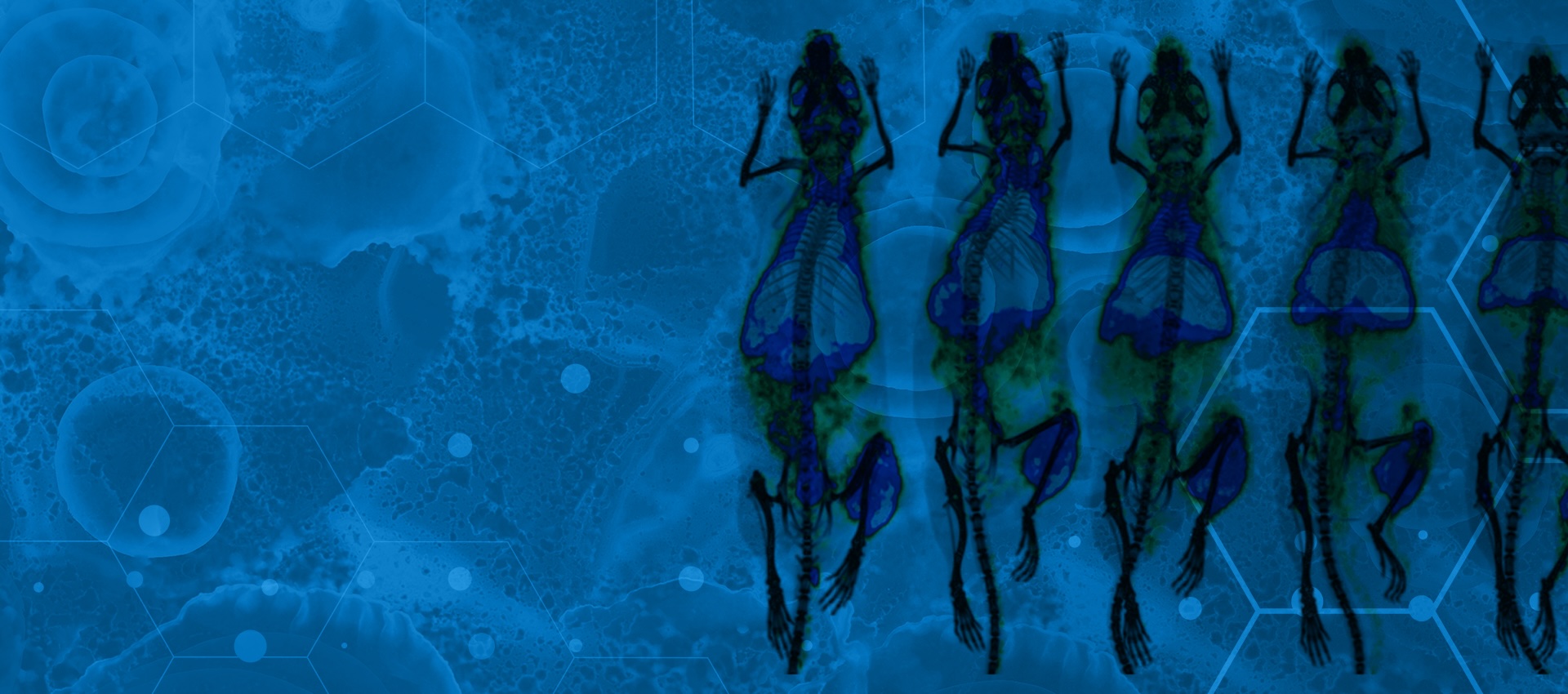
This talk will present recent work conducted by the team in Brisbane, which utilizes a variety of PET tracers to investigate the spatiotemporal dynamics of mRNA immunization. These include protein translation, innate immune cell infiltration, dissemination into the lymphatic system, and the subsequent activity of immune effector cells. The team has demonstrated that PET-CT enables longitudinal imaging of molecular processes essential for developing effective immune responses, such as antigen trafficking and immune cell activation, thereby enhancing the understanding of how mRNA vaccines exert their biological effects and providing a platform for rapid formulation evaluation.
Thursday, 23 October 2025
16:00 Australian Eastern Standard Time (UTC+10)
8:00 Central European Summer Time (UTC+2)
Key Learning Points
- Discover how PET-CT imaging enables real-time visualization of molecular processes critical to mRNA vaccine efficacy, such as antigen trafficking and immune cell activation.
- Understand the limitations of traditional immunological techniques and how advanced imaging can overcome them to accelerate vaccine development.
- Learn how PET tracers can be used to evaluate immune responses and streamline formulation testing for next-generation mRNA therapeutics.
Who should attend?
This session is ideal for researchers, clinicians, and professionals in immunology, molecular imaging, and vaccine development who are interested in cutting-edge tools for studying immune responses.