
In-Situ Nanomechanical Testing with the Hysitron PI Envision and PI 89
Driving Innovation in Materials Science with Advanced In-Situ SEM Nanomechanical Testing
Characterizing site-specific mechanical properties in complex materials is challenging, especially at small scales and in heterogeneous structures. In this webinar, you will learn how the newly launched Hysitron PI Envision SEM PicoIndenter addresses these challenges with sub-nanometer displacement and sub-micronewton force resolution. See how its modular design supports advanced techniques for diverse materials and environments, and discover real-world applications in automotive and nuclear alloy research.
Watch this on-demand webinar for:
- Insights into PI Envision’s design, performance, and modular options
- A live demonstration of PI Envision’s in-situ testing features
- Research from Dr. Tanvi Ajantiwalay (PNNL) using micro compression, micro tensile, micro shear, and nanoindentation on metal alloys to link microstructure to performance
In-Situ Nanomechanical Testing with the Hysitron PI Envision and PI 89
Introducing PI Envision: Precision, Versatility, and Performance Inside Your SEM
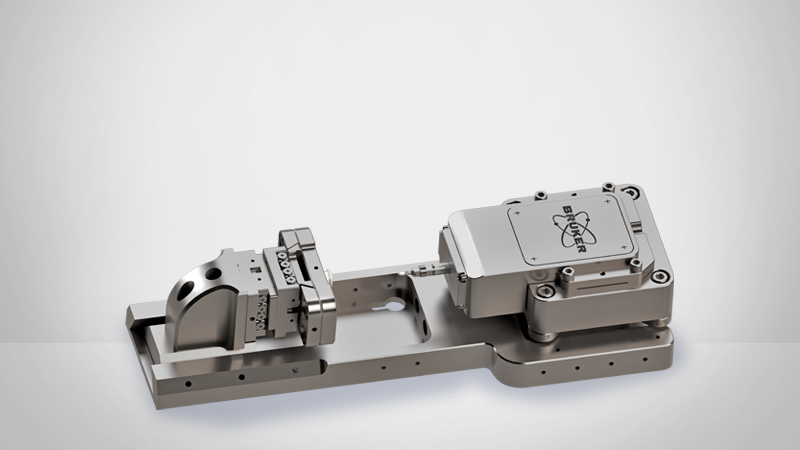
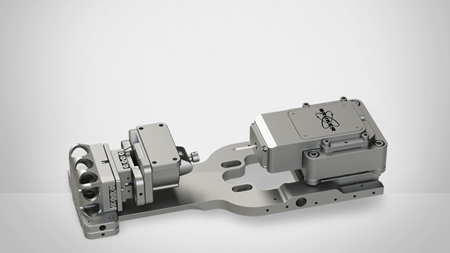
Bruker’s Hysitron PI Envision SEM PicoIndenter is designed for in-situ operation within standard SEMs, FIB-SEMs, small-chamber SEMs, and synchrotron beamlines. With sub-nanometer displacement and sub-micronewton force resolution, PI Envision enables precise analysis of materials ranging from soft polymers to high-strength metals and alloys. This modular and highly upgradable platform supports a comprehensive suite of techniques, including nanoindentation, property mapping, and high-temperature testing up to 800°C. Combining unmatched versatility, precision, and value, PI Envision is ideally suited for multi-user facilities and budget-conscious laboratories.
Correlative Microscopy and Mechanical Testing of Metal Alloys for Automotive and Nuclear Applications
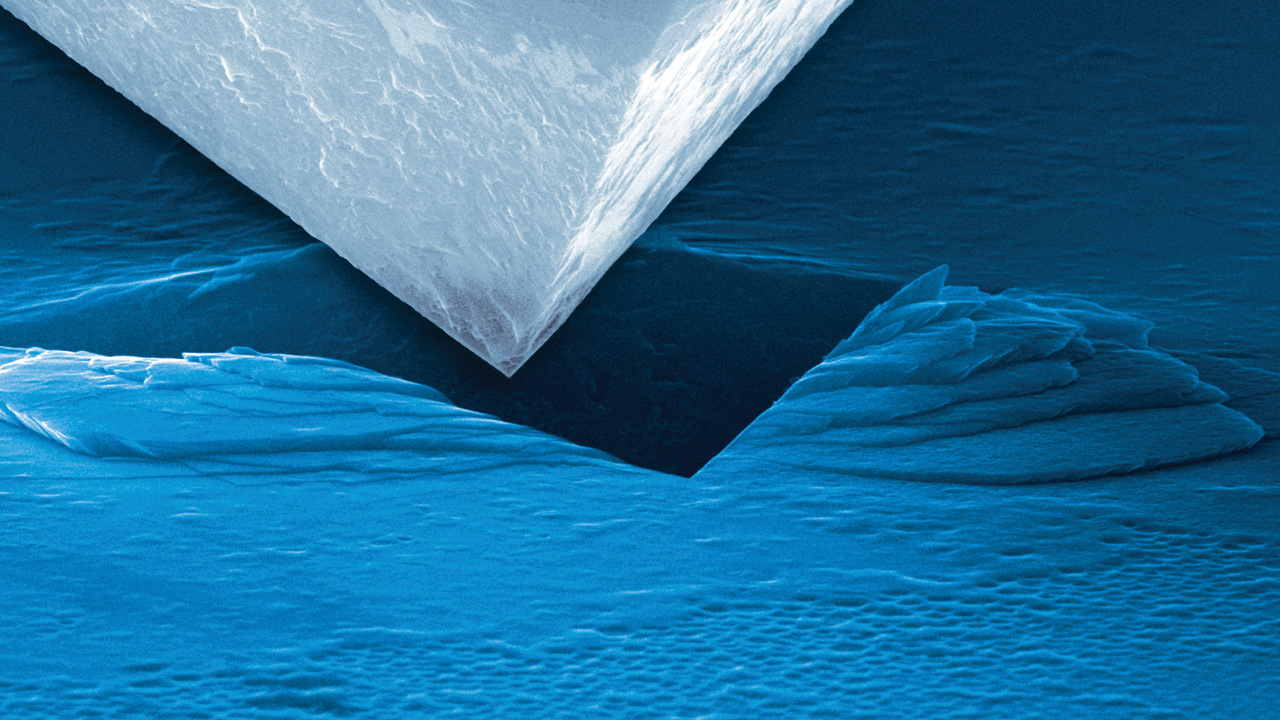
In-situ micromechanical testing provides a powerful means to probe site-specific properties in materials with unique processed zones and heterogeneous grain structures. The reduced length scale enables precise localization of features, cleaner vacuum environments, shorter testing times, and improved statistical reliability. By tailoring specimen geometries, a wide range of mechanical properties can be measured to meet application-specific requirements. In this webinar, Dr. Tanvi Ajantiwalay will highlight the use of micro-compression, micro-tensile, micro-shear testing, and nanoindentation across varying metal alloy systems relevant to automotive and nuclear applications. A correlative approach linking mechanical properties to microstructure through analytical techniques such as EDS and EBSD will also be presented. Together, these methods provide a deeper understanding of localized deformation behavior, thereby supporting the design and optimization of structural materials for demanding service environments.
Featured Technologies:
Contact:
Find out more about the technology featured in this webinar or our other solutions for Nanomechanical Testing:
Featured Products and Technology
Speakers

Materials Scientist, Pacific Northwest National Laboratory
Dr. Tanvi Ajantiwalay is a Materials Scientist in the Energy and Environment Directorate at the Pacific Northwest National Laboratory. Her research interest includes in-situ nano/micro-mechanical testing, solid Phase processing and metallurgy.

Kevin Schmalbach, Ph.D., Staff Scientist, Nanoindentation Unit, Bruker
Kevin earned his PhD in Chemical Engineering from the University of Minnesota in 2022, where his thesis focused on the effects of temperature and strain rate in tungsten. He joined Bruker as a postdoctoral scientist in the Applications Group before transitioning to the Research and Development team as an instrumentation scientist. In this role, he played a key role in developing the PI 89 Auto capabilities as well as supporting hardware innovation and technique development for nanoindentation. He has recently advanced to a staff scientist position within the Applications Group.

Sanjit Bhowmick, Ph.D.,
Product Line Manager, Hysitron Microscopy Products, BrukerDr. Sanjit Bhowmick, Ph.D. in Materials Science and Engineering, is the Product Line Manager of the NanoIndentation Division at Bruker, specializing in advanced nanomechanical characterization and in-situ microscopy techniques. He focuses on SEM/TEM based nanomechanical testing and the development of next generation instrumentation for materials research. Sanjit has authored or coauthored over 90 peer reviewed journal publications spanning nanomechanics, microscale deformation, and materials properties at extreme conditions, demonstrating broad impact in experimental materials science. His work bridges innovative measurement technologies with practical applications in research and industry, and he frequently presents at conferences and workshops to advance community understanding of small-scale material behavior.