From Cleared Tissue to Quantitative 3D Insights: Integrated Bruker and Translucence Biosystems Workflows for Whole-Organ Imaging
Build scalable, streamlined workflows for cleared tissue imaging and analysis.
In this webinar, Nathaniel Guansona, Director of Products and Business Development at Translucence Biosystems, explores integrated workflows for preparing, imaging, and analyzing cleared tissue samples using Translucence tissue clearing kits and Bruker light-sheet microscopy solutions. Topics covered include:
- Practical guidance for successful tissue clearing experiments, including sample prep, tissue handling, and workflow planning.
- How Translucence tissue clearing technology and Bruker light-sheet microscopy support 3D imaging across a range of applications.
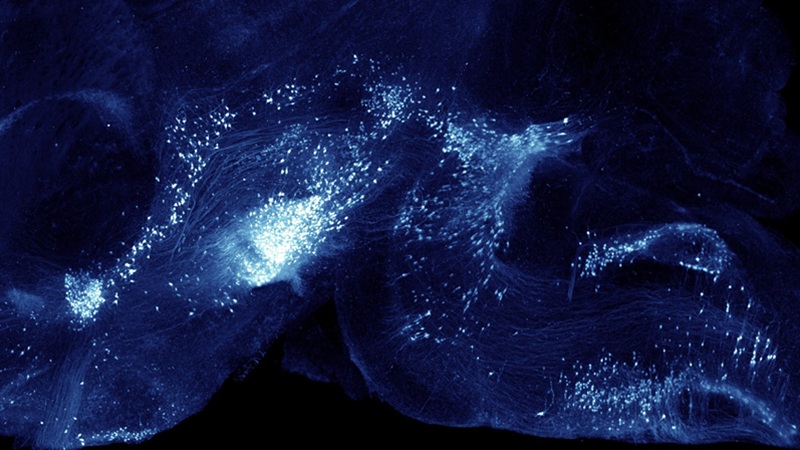
- Real-world examples of how cleared tissue datasets can become quantitative, publication-ready biological insights.
From Cleared Tissue to Quantitative 3D Insights: Integrated Bruker and Translucence Biosystems Workflows for Whole-Organ Imaging
Tissue clearing and light-sheet microscopy are enabling researchers to visualize biological structures across intact tissues and whole organs at unprecedented scale. As these technologies continue to expand in use, successful 3D imaging involves a range of important considerations across sample preparation, optical compatibility, imaging parameters, data handling, and downstream analysis.
This webinar introduces joint workflows that bring together tissue clearing kits developed by Translucence Biosystems and their 3D histology expertise with Bruker’s suite of light-sheet imaging solutions. The presentation highlights practical considerations for preparing cleared tissue samples, imaging them at scale, and generating high-quality 3D datasets that support applications across biological research, therapeutic development, and translational science. Viewers can see how optimized Bruker and Translucence workflows can help improve reproducibility, reduce technical barriers, and provide a more streamlined path from sample preparation to 3D visualization, quantitative analysis, and actionable biological insights.
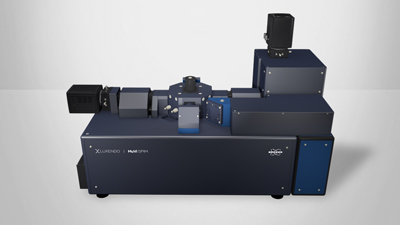
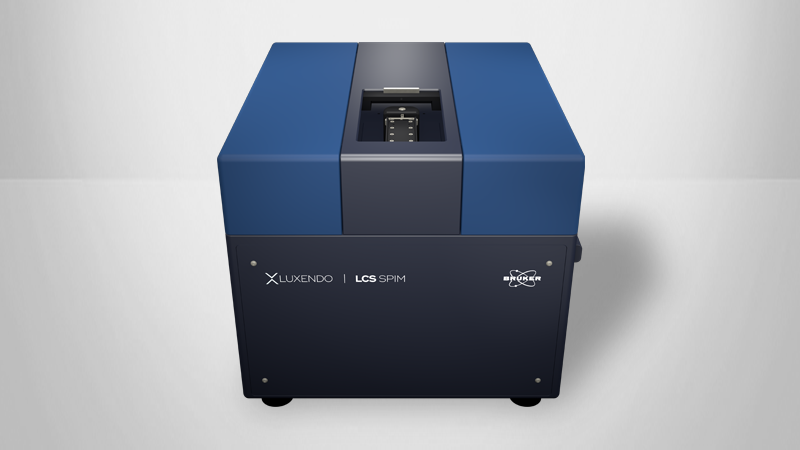
Featured Technologies:
Contact:
Find out more about the technology featured in this webinar or our other light-sheet microscopy solutions:
Speaker

Nathaniel Guansona
Director of Products and Business Development at Translucence Biosystems
Nathaniel Guansona is the Director of Products and Business Development at Translucence Biosystems, a company specializing in end-to-end tissue clearing, light-sheet imaging, and 3D image analysis workflows for intact biological samples. Nathaniel has nearly a decade of experience working with tissue clearing and whole-organ imaging pipelines, with expertise spanning sample preparation, imaging workflow development, product commercialization, and customer-facing applications. In his role, he helps guide the development and commercialization of 3D histology products and workflows that enable researchers to visualize and quantify biological structures across intact tissues.
At Translucence, Nathaniel works closely with academic, biotechnology, and pharmaceutical partners to support applications in drug discovery, neuroinflammation, neuronal activity, therapeutic distribution, and other areas of neuroscience and translational research.