Microstructure Characterisation of a Microprocessor Wire Bonding with EBSD

Ball bonding is a type of wire bonding commonly used for electrical interconnections in semiconductor devices. A weld is created between the gold ball and the surface of the chip using heat, static pressure and ultrasonic energy.
Optimum bonding settings are tricky to design because of the interactions between process variables. EBSD analysis on wire bonding is the perfect tool to help understand device failure by identifying structural changes or deformation at metal interconnects. Combined EDS/EBSD analysis enables:
- simultaneous chemical and microstructural characterization of different layers
- evaluate crystal formation and growth
- localize plastic strain
- calculate the amount of twin boundaries
- determine grain size
- reveal amorphous material and cavity


Nanostructure Characterization and Defect Identification with eWARP
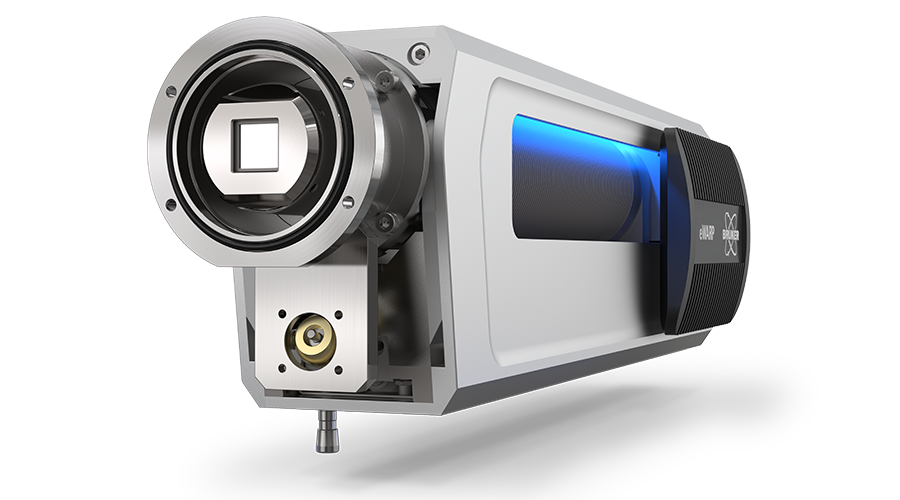
This webnote discusses the nanostructural characterization of a microprocessor using our legacy EBSD detector, eFlash FS, which has now been replaced by our next-generation eWARP detector for ultra-fast, high-resolution EBSD.
eWARP's unprecedented speed advantage fully unfolds when high throughput is required for the characterization of nanostructures and potential defects, accelerating failure analysis of microelectronic devices.