
Bruker at MSACL 2026
Connect with Bruker at MSACL 2026
Join us at MSACL and explore how our technologies are supporting the next generation of mass spec workflows:
- From Today’s Clinical Research to Tomorrow’s Innovation
Whether enabling LC-MS clinical research workflows or advancing LC-Free testing, our solutions (systems, consumables and technical support) help laboratories streamline implementation today while building capabilities for the future. With extensive analytical method offerings for faster, more robust and cost effective analysis, we support the evolving needs of next-generation methodologies. - Accelerating Forensic Toxicology
By combining Bruker’s cutting-edge instrumentation with PinPoint’s simplified methods and expert consulting, laboratories gain turnkey workflows for the rapid analysis of drugs of abuse, controlled substances, and emerging illicit compounds. Platforms such as ToxBox® and DART-MS/MS help streamline operations, improve efficiency, and reduce sample backlogs. - Meet the Team
Visit us at booth #24 during the exhibition and connect with our experts to learn more about Bruker’s latest developments for clinical laboratory research, translational research, metabolomics, lipidomics, proteomics, and related multiomics applications. - Join our Workshop
A special highlight this year is our workshop "Transformational Technologies: Simplifying Mass Spectrometry Workflows for Next Generation Protein and Small Molecule Clinical Research Analytical Methodologies", taking place on Tuesday, October 6, 2026, from 7:45 am to 8:45 am in Salon Bonaventure, Hotel Level, Track 5.
We look forward to meeting you in Montreal and discussing how our products and services can support your analytical needs.

Transformational Technologies: Simplifying Mass Spectrometry Workflows for Next Generation Protein and Small Molecule Clinical Research Analytical Methodologies.
Join our workshop that will bring together two expert perspectives on how mass spectrometry workflows are evolving to better support clinical research.
"Chromatography-Free DART-MS in the Clinical Research Laboratory"
Kara Lynch, Ph.D., Professor of Laboratory Medicine at the University of California, will discuss chromatography-free DART-MS and its potential to enable rapid chemical analysis without chromatographic separation or extensive sample preparation. Her talk will highlight how DART-MS can help increase analytical throughput while reducing solvent consumption and workflow complexity compared to conventional LC-MS approaches
"From Discovery to Diagnostics: Accelerating the Clinical Translation of Targeted Proteomics"
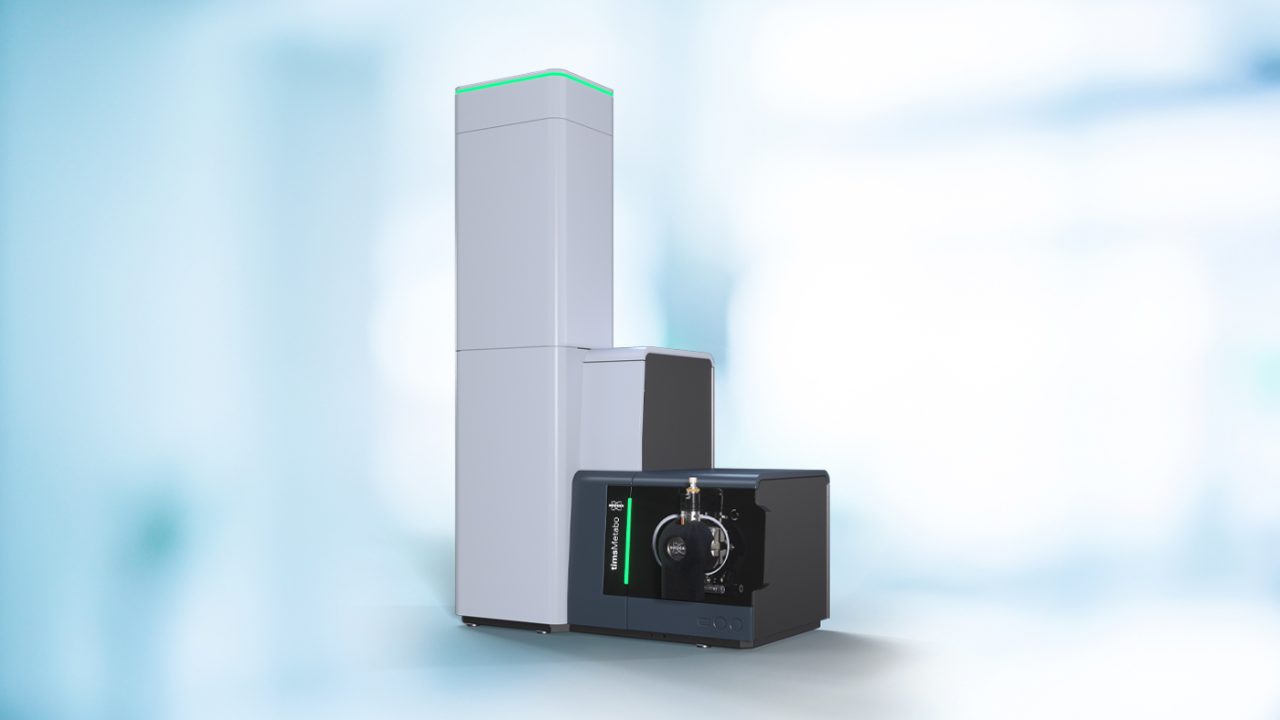
N. Leigh Anderson, Ph.D., Founder and CEO of SISCAPA Assay Technologies, will explore how targeted analyte enrichment and quantitative mass spectrometry are helping bridge the gap between translational research and routine clinical testing. His presentation will also cover clinical research applications, collaborative work with Bruker on next-generation triple quadrupole platforms, and emerging ion mobility-enabled and LC-free workflows designed to simplify analysis and increase throughput.
Workshop details
- Date and time: Tuesday, October 6, 2026, 7:45 am to 8:45 am
- Location: Salon Bonaventure, Hotel Level, Track 5
Speakers

Kara Lynch, Ph.D.
Associate Clinical Professor, Associate Division Chief, Clinical Chemistry and Toxicology Laboratory, SFGH
University of California San Francisco, CA, USA

N. Leigh Anderson, Ph.D.
CEO, Director, co-Founder and SISCAPA inventor
SISCAPA Assay Technologies, Washington, DC, USA
Secure your seat for our workshop
Register now to explore how simplified mass spectrometry workflows can support next-generation protein and small molecule clinical assays.
Clinical Research Elevated: Bruker and RECIPE Launch Verified Assay Integration
Bruker and RECIPE are advancing clinical research through the integration of RECIPE’s ClinMass® and ClinDART® assay kits. This collaboration enables high-throughput workflows for clinical research applications.
A wide range of ClinMass® kits are now available, while we prepare to introduce our novel ClinDART® assays soon for LC-free, rapid analysis with significant reductions in cost, waste, and complexity. Together, these innovations will support more efficient, scalable, and accessible clinical research, with key results to be showcased at MSACL in Montreal.

Forensic Innovation Unlocked: Bruker and PinPoint Redefine Toxicology Workflows
Bruker’s collaboration with PinPoint Testing is transforming forensic toxicology (non-clinical) through innovative, chromatography-free mass spectrometry workflows. Bruker’s advanced instrumentation paired with PinPoint’s validated methods and expert consulting deliver turnkey solutions for forensic labs.
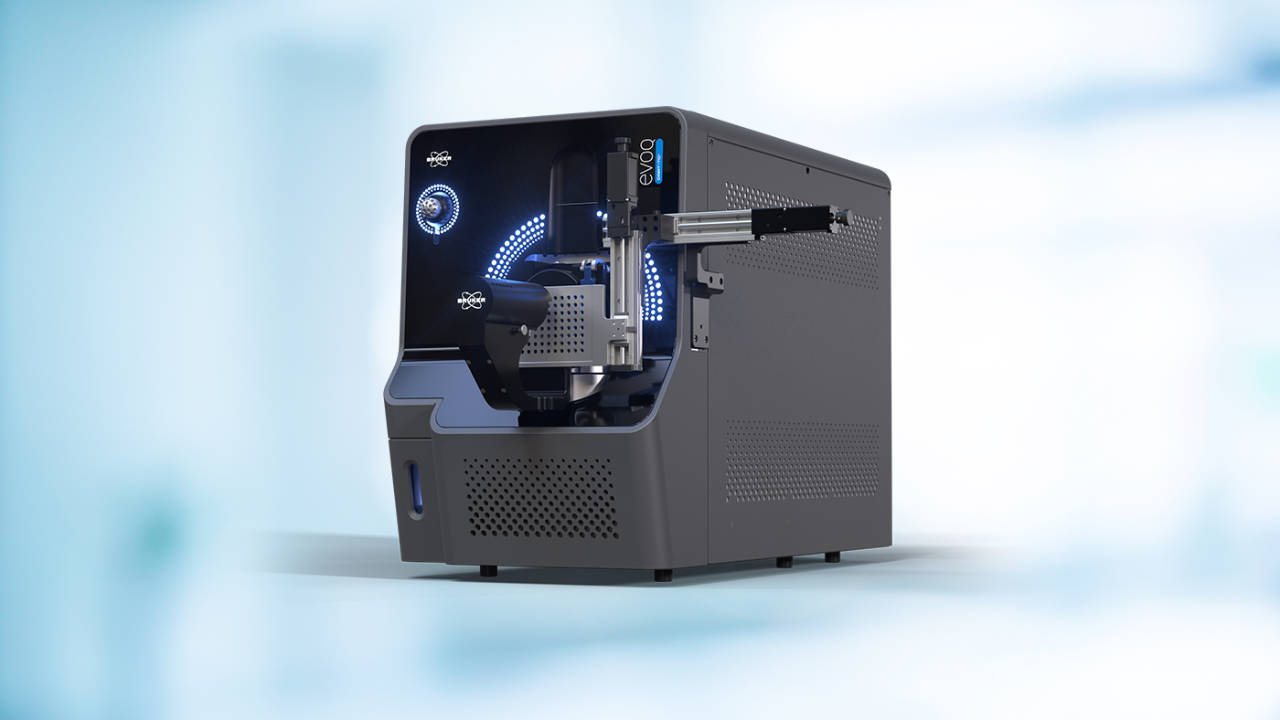
Together, they offer rapid, chromatography-free screening and confirmation of drugs of abuse, controlled substances, and emerging illicit compounds using platforms like the ToxBox® and DART-MS/MS on the EVOQ® DART-TQ+ system. This synergy allows forensic laboratories to streamline operations and reduce sample backlogs.

Advancing Metabolomics Research: Bruker and biocrates Accelerate Clinical Research with Triple Quad Assay
Bruker Applied Mass Spectrometry and biocrates have partnered to bring advanced metabolomics capabilities to clinical research through the MxP® Quant 1000 kit, now method-verified on the Bruker EVOQ® DART-TQ+ mass spectrometer.
By combining biocrates’ modular, quality-controlled kits with Bruker’s robust triple quadrupole platform, researchers can confidently explore quantitative metabolomics panels with high reproducibility and coverage. The collaboration will be showcased at MSACL, where attendees can learn how this integrated workflow supports translational research and clinical research assay development.


Disclaimer
As you are certainly aware, special compliance regulations apply to public officials* and healthcare professionals** with regard to the event we are planning. If you accept our invitation, we will therefore assume that you will observe the compliance regulations that apply to you and that you have the necessary employer approval.
* Government Official means according the Bruker policies any of the following: any officer, employee or representative of a government (national, regional or local) entity, or any public agency, public authority, department or instrumentality thereof, regardless of their rank or title (e.g. a regulatory official or government inspector); any person working for or advising a government-owned or government-controlled enterprise (e.g. a professor at a government-owned university, or a purchaser at a government-owned hospital); any person working for or advising a national or international non-governmental organization (e.g. an employee of the Red Cross or The World Bank); any person performing a public function or providing a public service, even if that person works for a nongovernmental institution (e.g. private security personnel working in public functions); any person hired to review or accept bids for a government agency; any person with the responsibility to allocate or expend government funds; any person in a public law function, civil servant, judge or military personnel; any person acting for a political party, including party officials, candidates or individuals holding a position in a political party office; members of royal families; or immediate family members of any of the persons listed above. An immediate family member is a grandparent, parent, spouse, significant other, child, or sibling.
** A Healthcare Professional (HCP) is in accordance with the Bruker policies any physician, dentist, nurse, pharmacist or other individual who may prescribe, administer, purchase, dispense, recommend, or supply medical products or treatments or pharmaceutical products. In many cases, Bruker interacts with HCPs who work for state-owned hospitals (e.g. as medical scientists). These individuals will be classified as both HCPs and Government Officials.
*仅供研究使用,不能用于临床诊断程序。