E-Book: Optical Tweezers in the Life Sciences
Get Instant, Full-Length Access
Optical tweezers use highly focused laser light to trap and manipulate microscopic objects with outstanding spatial and force resolution. It is a non-invasive technique that enables the controlled application and measurement of forces on the piconewton-scale, the force regime that governs fundamental biological processes, such as protein binding, DNA folding, and molecular interactions.
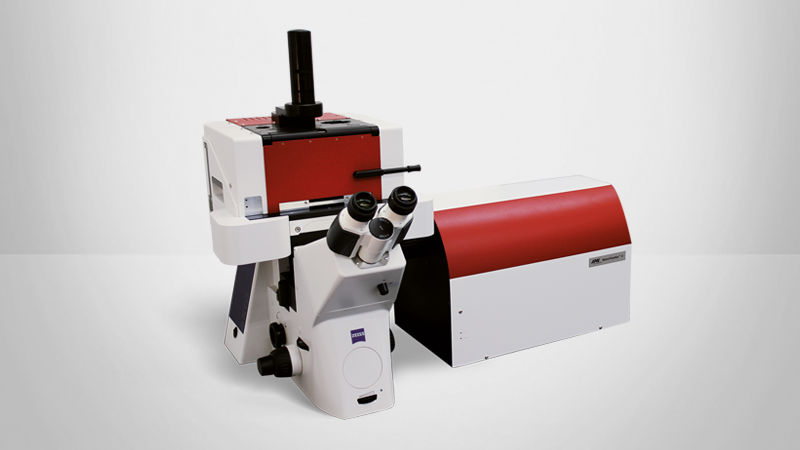
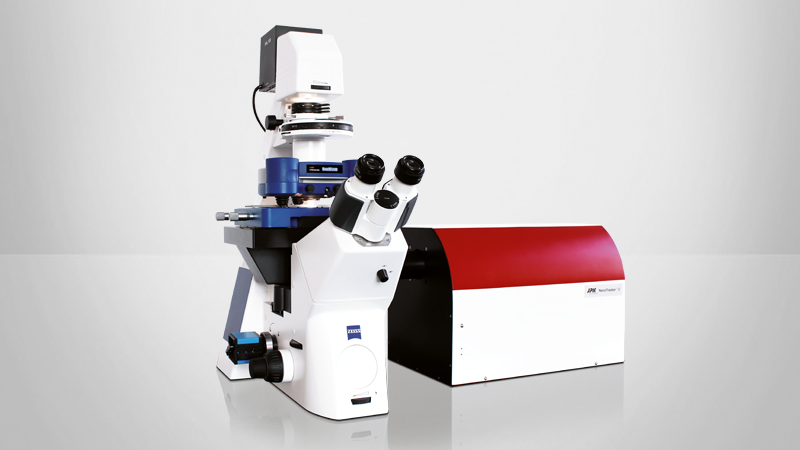
This eBook provides a concise overview of the theoretical principles behind optical trapping, covering topics such as particle detection and position tracking, trap calibration, and single-molecule force spectroscopy. It outlines key experimental configurations, environmental control options, and advanced operating modes, using Bruker’s NanoTracker 2 system as an example of a state-of-the-art optical tweezers platform. It highlights a broad range of innovative case studies that use optical tweezers in the quantitative analysis of the mechanics of DNA, viscoelastic behavior in complex biological systems, and protein-DNA interactions.
This eBook offers a valuable overview for both experienced users and newcomers to the technique interested in extending their research capabilities. It also explores emerging developments in the field and potential applications in biomedical research.
Readers can expect to learn more about:
- The principles of optical tweezers and force spectroscopy
- Key factors for optimizing optical trapping measurements
- Advanced modes and functionalities that improve the precision and versatility of experiments, such as absolute force spectroscopy, multiplexing, and microrheology
- Cutting-edge applications, including the study of membrane tether formation, molecular motors, and the micromanipulation of nanoparticles and cells inside a living zebrafish
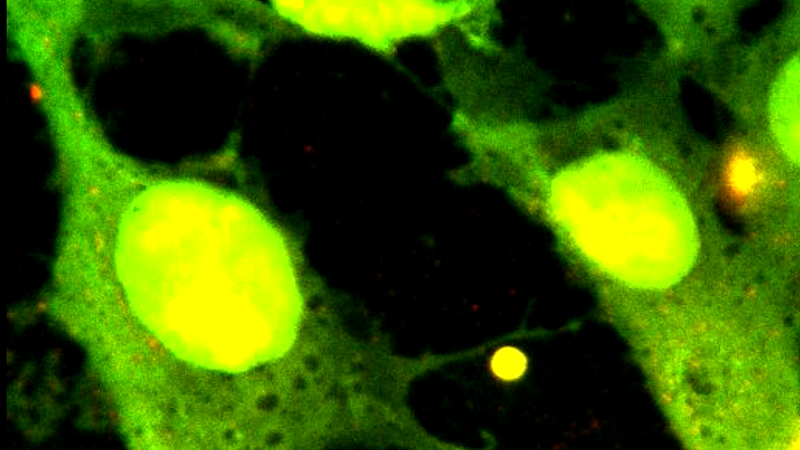
- Correlative workflows combining optical tweezers with AFM, fluorescence microscopy, and Raman spectroscopy for multimodal biological and soft matter research