Raman Microscopes
Raman microscopy addresses different analytical questions: identify a material at a single point, map chemical composition across a sample, or resolve changes through a three-dimensional volume.
Bruker offers three Raman microscope platforms with different strengths in imaging speed, routine analysis, and measurement reproducibility: RAMANtouch, RAMANwalk and SENTERRA II.
Confocal Raman Microscopy: Chemical Information with Spatial Resolution
Raman microscopy combines molecular information with spatial resolution. A Raman spectrum reveals chemical and structural characteristics; microscopy shows where those characteristics occur within the sample. Depending on the measurement task, the same technique can be used for point analysis, 2D chemical mapping, or 3D Raman imaging.
Choose Your Raman Microscope
Different Raman measurements place different demands on acquisition. RAMANtouch, RAMANwalk and SENTERRA II address these with different approaches to imaging throughput, point scanning, automation and calibration.
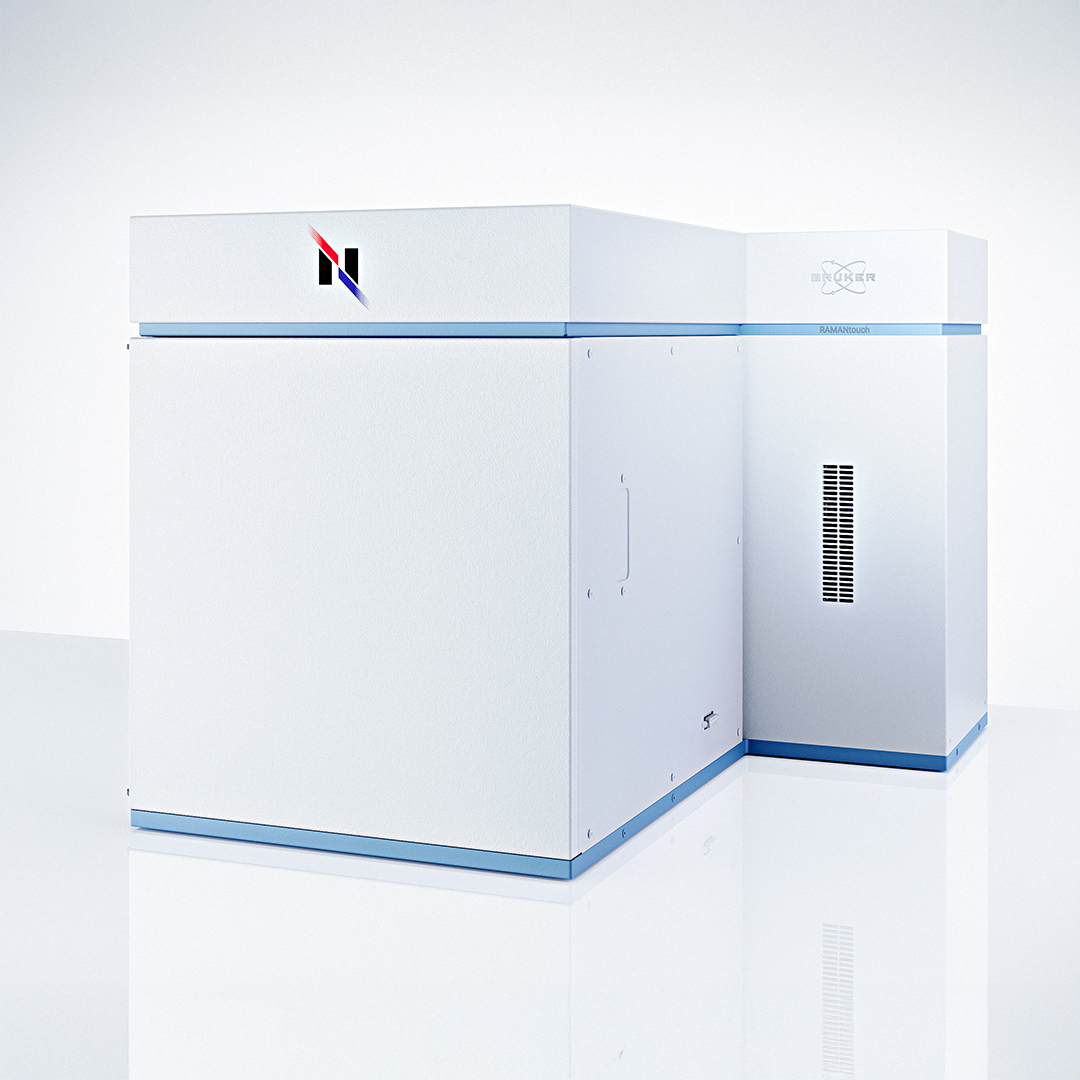
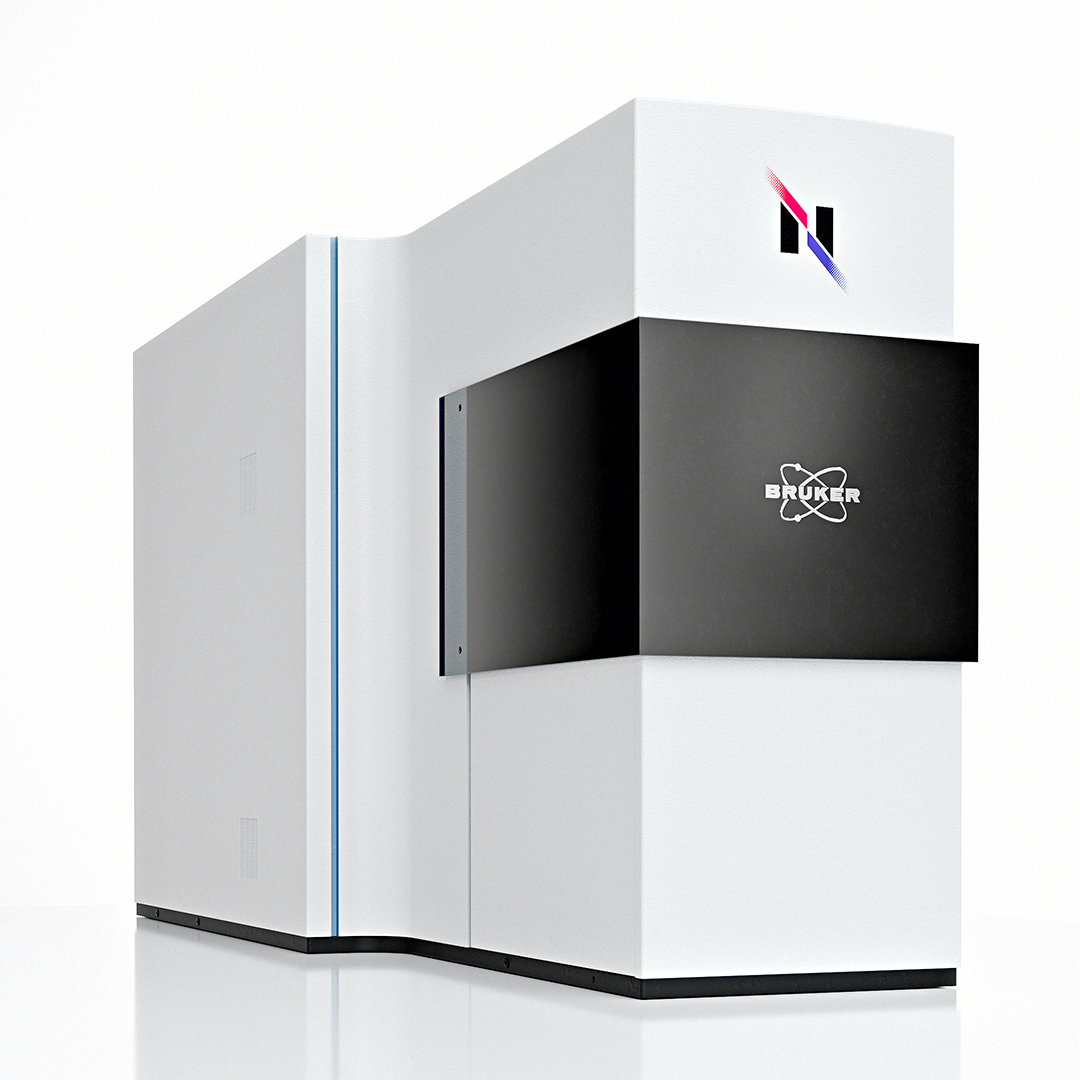
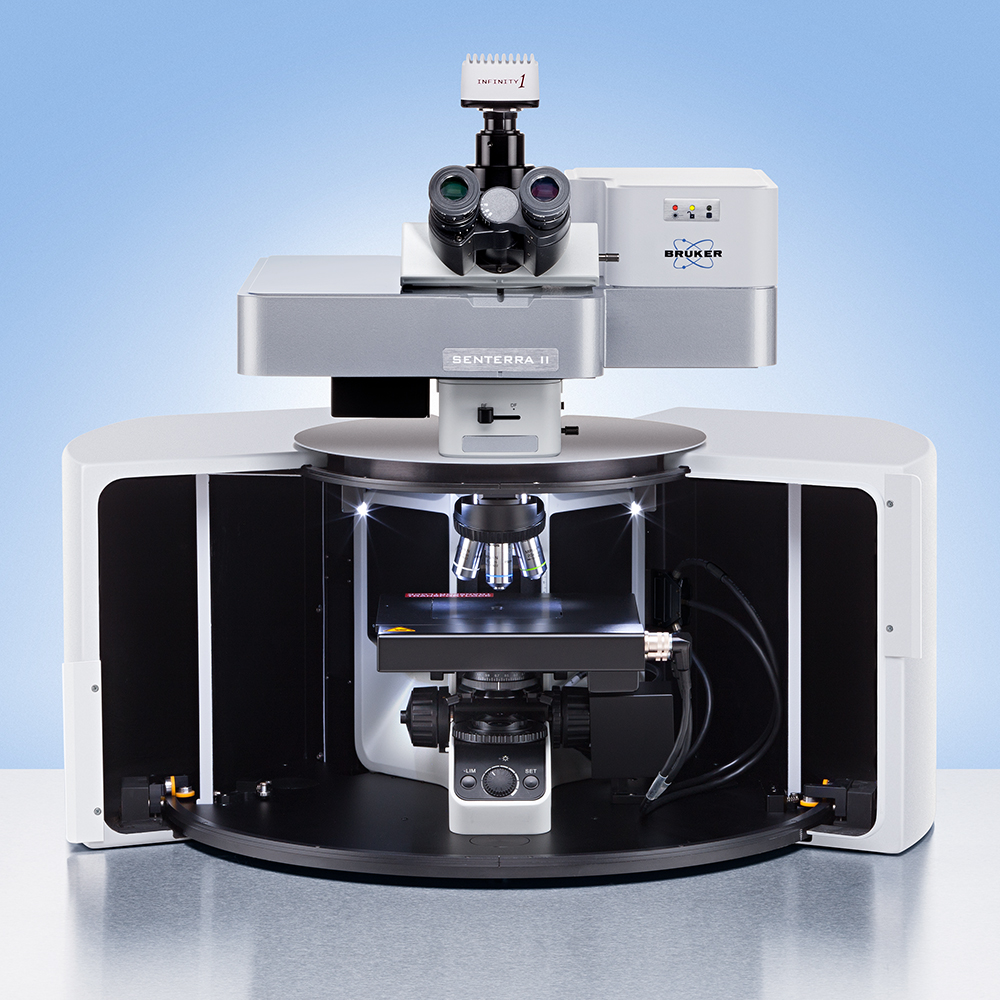
Compare Our Raman Microscopes
Each platform supports confocal Raman analysis and chemical imaging. The main differences are how the Raman data are acquired, how imaging time is reduced, and how calibration and reproducibility are handled.
| RAMANtouch | RAMANwalk | SENTERRA II | |
| Special features | Galvo-Scanning, Line Imaging, Random Scanning, AreaFlash™ | Galvo-Scanning, Random Scanning | Inverted Configuration, Fiber Probes, cGMP Compliance |
| Imaging speed | ●●● | ●●○ | ●○○ |
| Measurement flexibility | ●●● | ●●○ | ●●○ |
| Automation | ●●● | ●●○ | ●○○ |
| Reproducibility | ●●● | ●●● | ●●● |
| Calibration | Automatic | Automatic | SureCal |
Raman Microscopy Applications
Raman spectroscopy is used across research, quality control and industrial analysis to investigate chemical composition and material structure. Its applications range from microscopic characterization and chemical imaging to material identification and real-time process measurements.


Not Sure Which Raman Microscope Fits Your Application?
Tell us what you need to measure, your sample type and the information you need from it. Our Raman microscopy specialists can help identify the appropriate instrument and measurement approach.