

NanoIR Spectrometers
NanoIR Spectrometers
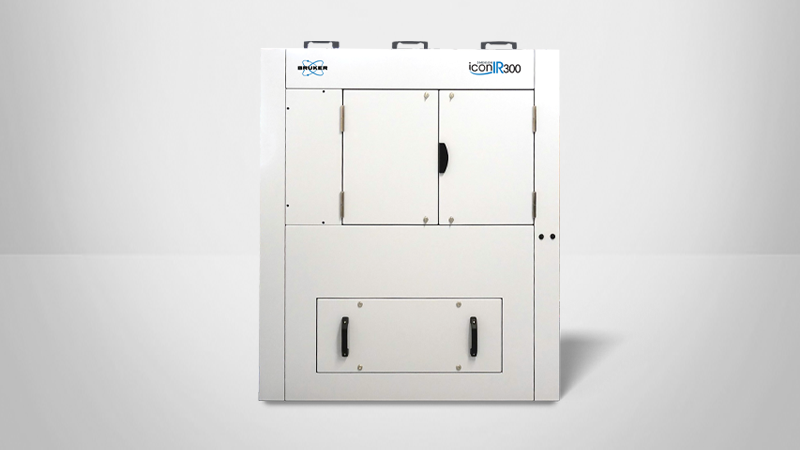
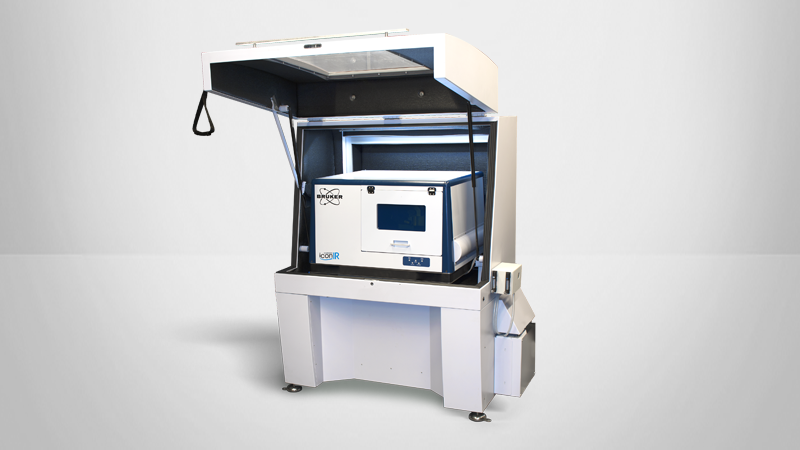
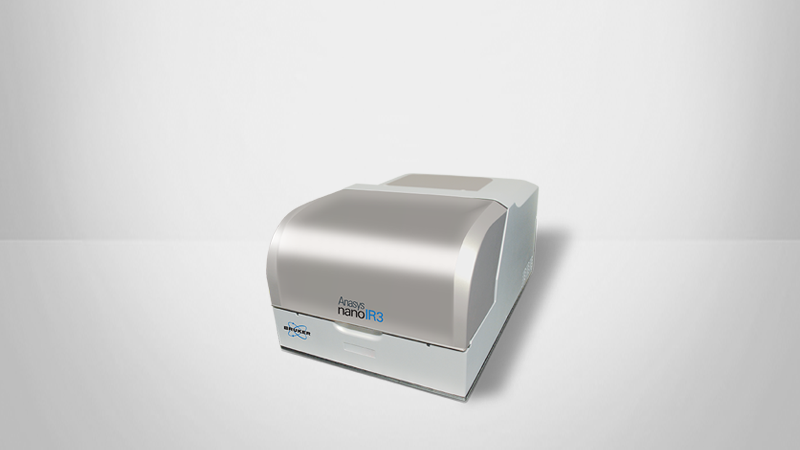
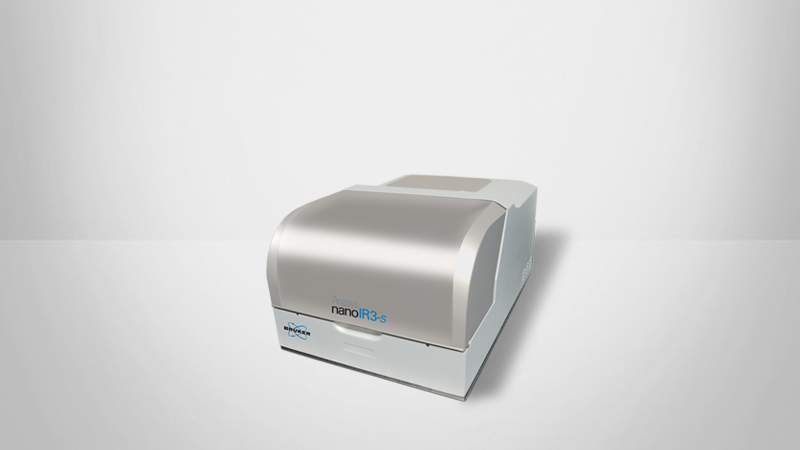
Utilizing Bruker’s exclusive photothermal AFM-IR technology, our nanoscale infrared (nanoIR) spectrometers offer the world’s easiest to use and most productive nanoscale chemical analysis capabilities. These innovative solutions provide nanoscale chemical identification and material characterization across a diverse range of applications in materials science and life science research, including polymers, 2D materials, and micro-electronics. Thanks to photothermal AFM-IR’s easy-to-interpret data and well-understood physics, nanoIR spectrometers have been adopted by leading scientists at major research universities, national laboratories, and leading chemical/materials companies worldwide.




Frequently Asked Questions About Bruker's NanoIR Technology
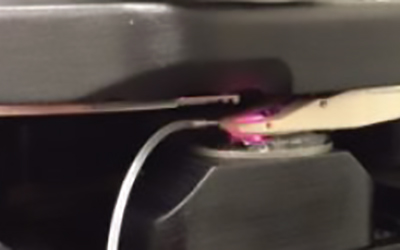
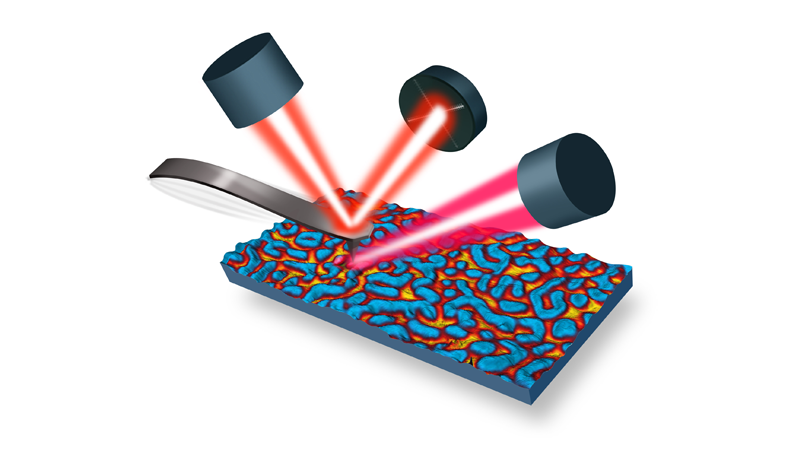
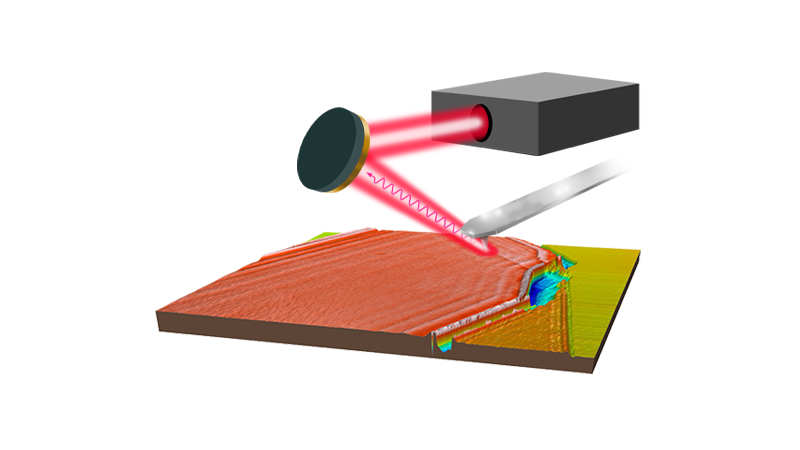
Photothermal AFM-IR — sometimes called just AFM-IR, nano-IR, photothermal induced resonance (PTIR), infrared nanospectroscopy, or atomic force microscope-based infrared spectroscopy — is a nanoscale chemical and material characterization technique. It is performed using a nanoscale IR spectrometer, which works by applying the tip of an AFM probe to a sample surface to detect thermal expansion caused by the absorption of infrared radiation. In this way, photothermal AFM-IR provides both the spatial resolution of AFM and the chemical analysis and compositional imaging capabilities of infrared spectroscopy.
Yes. Bruker’s photothermal AFM-IR technology produces spectra that are directly comparable to FTIR spectra, as demonstrated in published documentation and peer-reviewed articles. AFM-IR spectra can be searched directly against FTIR spectral databases. If FTIR-like spectral analysis is critical for your application, our experts can provide evidence showing spectral correlation.
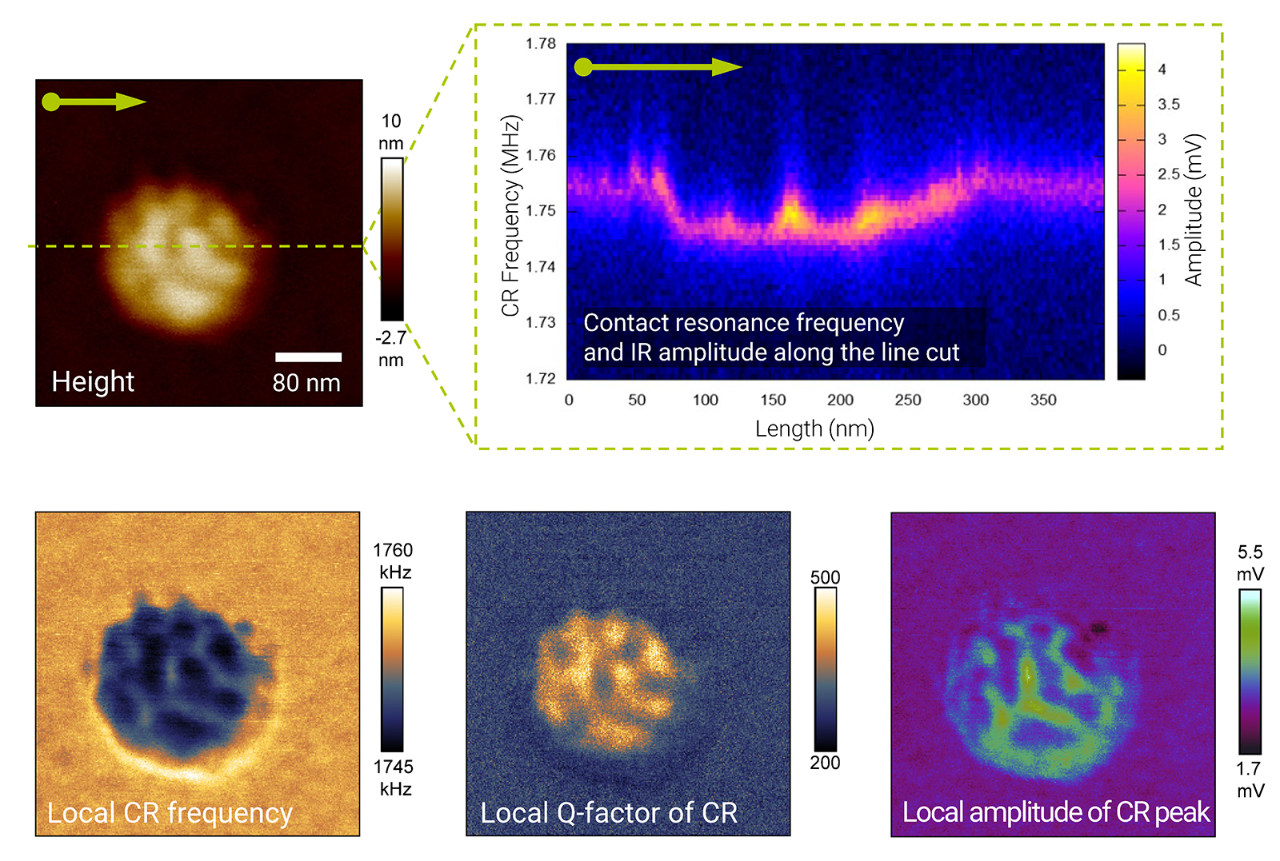
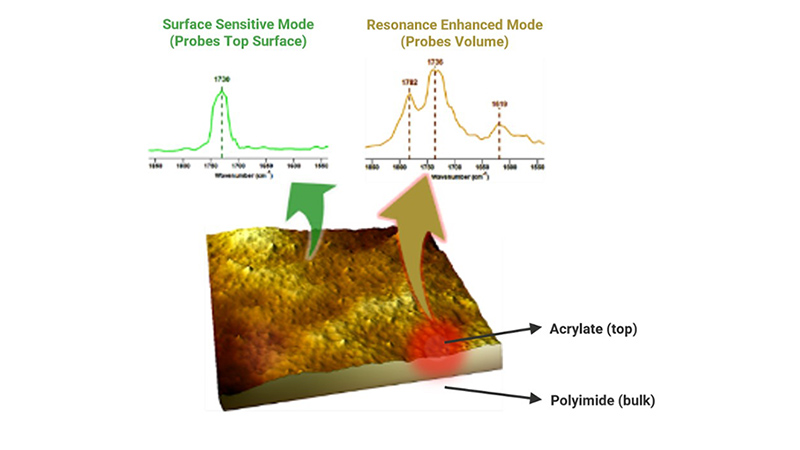
Photothermal AFM-IR provides direct absorption-based spectra that closely match FTIR results and are easier to interpret than Raman-AFM or s-SNOM. Further, Photothermal AFM-IR signals are amplified by the resonant enhancement of the cantilever providing the best signal-to-noise of those techniques. Bruker offers s-SNOM as a separate option for advanced near-field studies.
Bruker nanoIR systems routinely achieve chemical imaging with spatial resolution below 10 nm and can detect single molecular layers. Actual performance depends on your sample and selected measurement mode.
Yes, photothermal AFM-IR can chemically map and identify particles smaller than one micron, including nanoplastics and environmental contaminants. Direct correlation to FTIR provides ready interpretation in particles as small as 10 nm.
Bruker’s photothermal AFM-IR systems typically require a single socket of standard electrical power,and CDA. Specific requirements may vary by model, so request a site preparation guide from your Bruker representative.
Bruker photothermal AFM-IR systems primarily use quantum cascade lasers (QCLs) that deliver stable, reliable performance and broad coverage across the mid-infrared fingerprint region as well as optical parametric oscillators (OPOs) for the C-H, O-H, N-H stretching region. Multiple QCL chips can be combined to access all key spectral windows required for routine and advanced research, and additional sources are available for specialized applications. Bruker’s application experts can help you select the optimal laser configuration to match your measurement needs and ensure sufficient spectral resolution for both standard and demanding experiments.
Measurement times vary by application, but point spectra can be acquired in seconds, chemical maps in minutes, and automated recipes can be tailored for high-throughput workflows.
Routine maintenance includes probe replacement, laser alignment checks, and calibration with reference samples. Bruker provides detailed maintenance protocols and support plans.
Enabling Unique Data Acquisition and Analysis
Bruker is the world leader in nanoscale IR and sub-micron IR spectroscopy. We deliver innovative products and solutions that measure spatially varying physical and chemical properties with nanoscale spatial resolution in a diverse range of fields, including polymers, 2D materials, materials science, life sciences and micro-electronics. Our systems provide productive solutions that help researchers clear the path to their next discovery and help industrial companies to solve critical process problems.
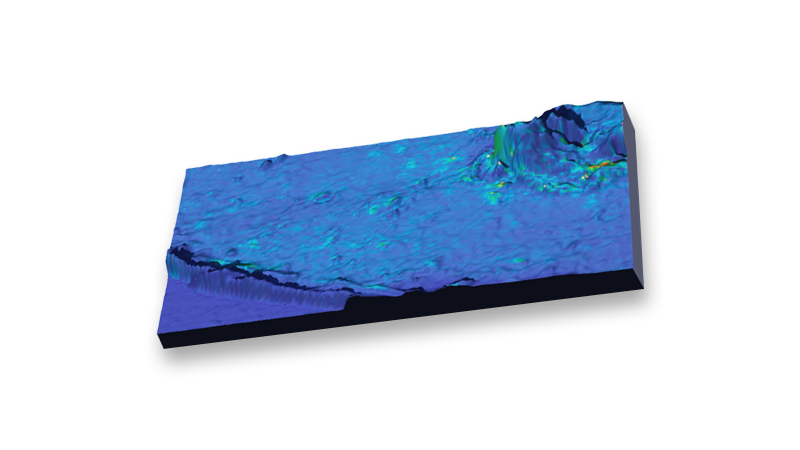


NanoIR Webinar Series
Our webinars cover best practices, introduce new products, provide quick solutions to tricky questions, and offer ideas for new applications, modes, or techniques.

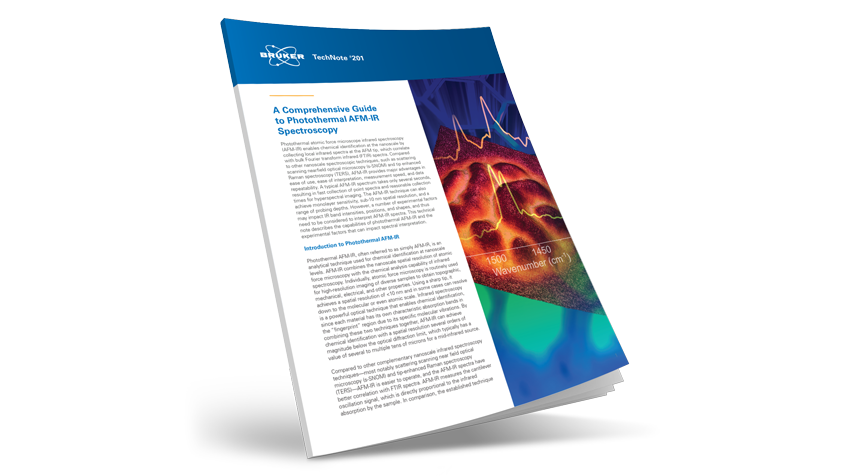


How Can We Help?

Bruker partners with our customers to solve real-world application issues. We develop next-generation technologies and help customers select the right system and accessories. This partnership continues through training and extended service, long after the tools are sold.
Our highly trained team of support engineers, application scientists and subject-matter experts are wholly dedicated to maximizing your productivity with system service and upgrades, as well as application support and training.