Raman Spectroscopy
What is Raman spectroscopy?
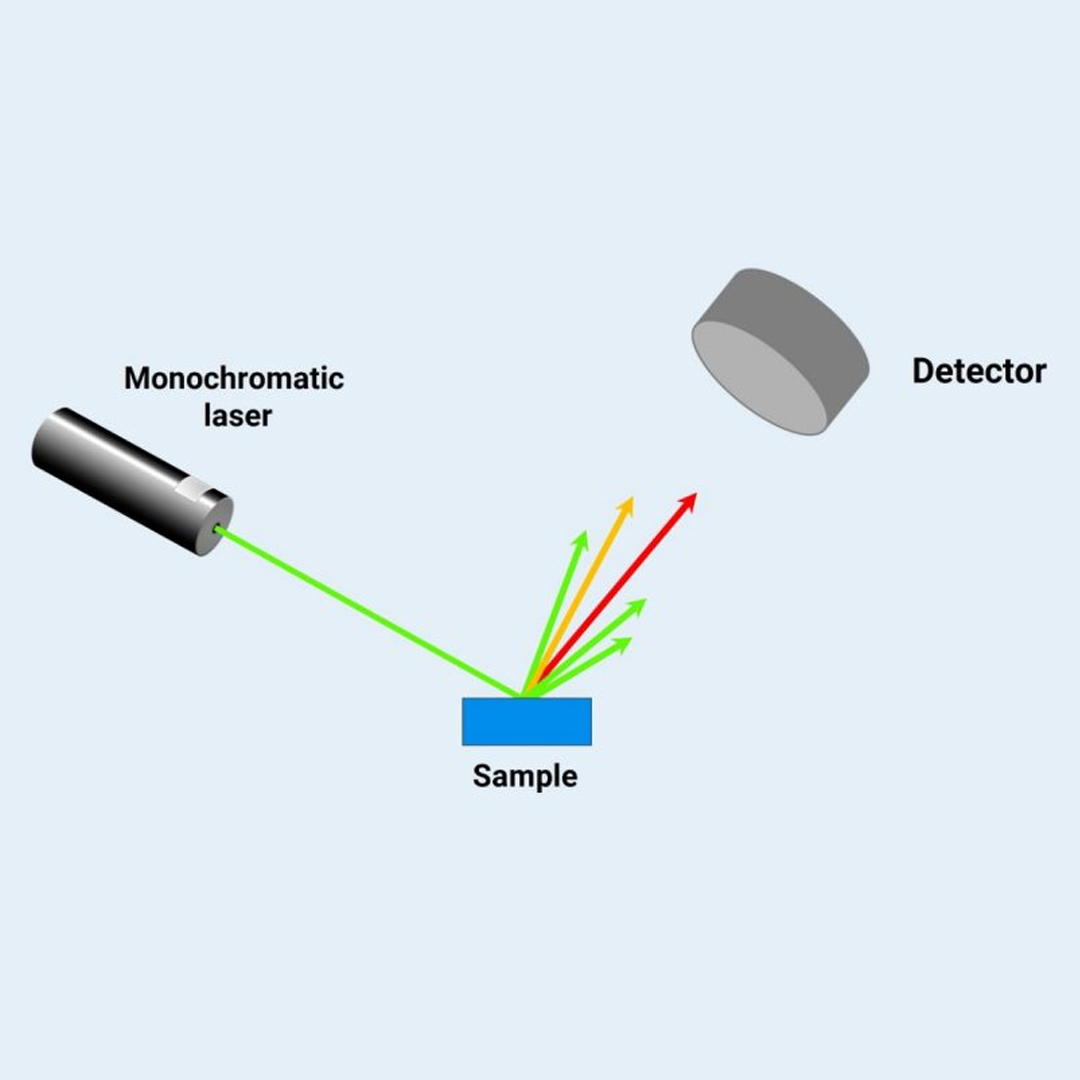
Raman spectroscopy is a vibrational spectroscopy technique based on the inelastic scattering of monochromatic light. The energy shifts in the scattered light are related to molecular vibrations and other excitations in the sample. A Raman spectrum can therefore provide information about chemical composition, molecular structure, crystallinity, polymorphism and other material properties.
Raman measurements can be applied to solids, liquids and gases and often require little or no sample preparation. Depending on the analytical task, Raman spectroscopy can be used for material identification, characterization, quantitative analysis, microscopy and chemical imaging, or in situ process monitoring.
Teaching the Principles of Raman Spectroscopy
Raman for Beginners with Yan Di (> 30 Episoden)
The 7-minute Raman Tutorial


Raman Spectrometers, Microscopes, and Process Analyzer
The appropriate Raman instrument depends on the sample, measurement environment, required spatial resolution and analytical task.
Spectrometers
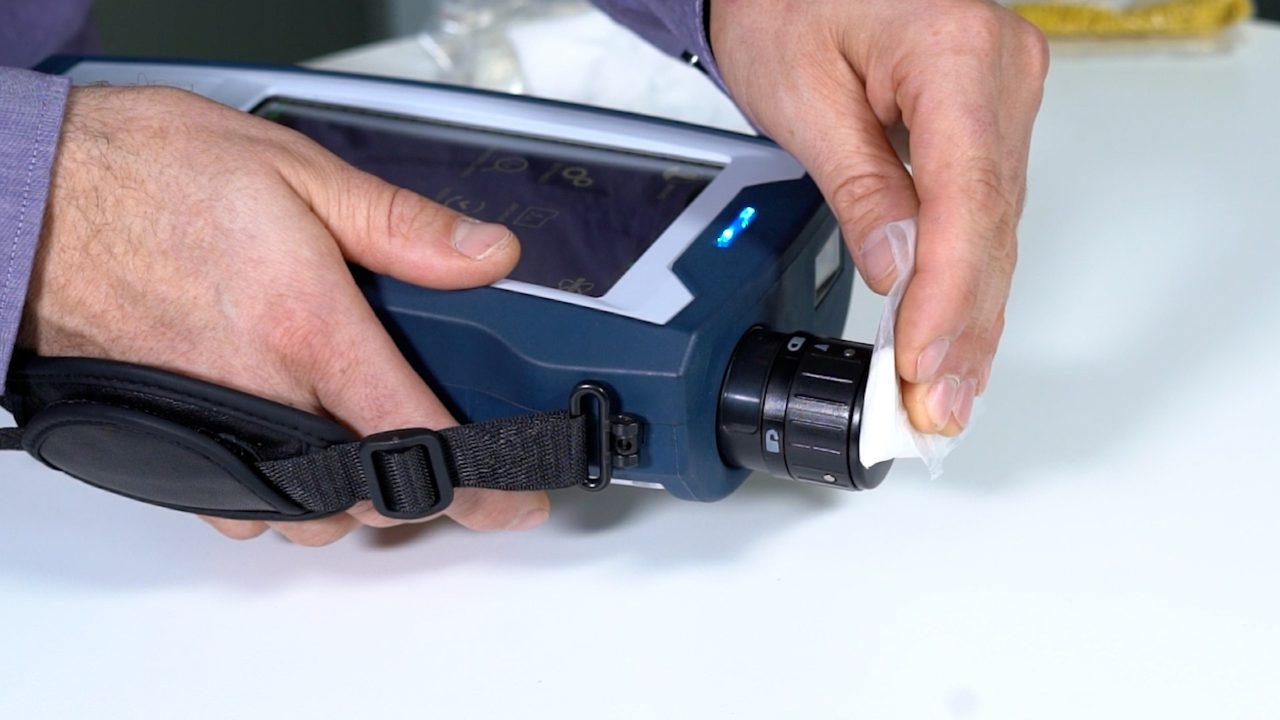
Raman spectrometers are used for material identification, characterization and quantitative analysis in research, quality control and routine laboratory applications. Bruker systems include benchtop, FT-Raman and portable instruments for different sample types and requirements.
Microscopes
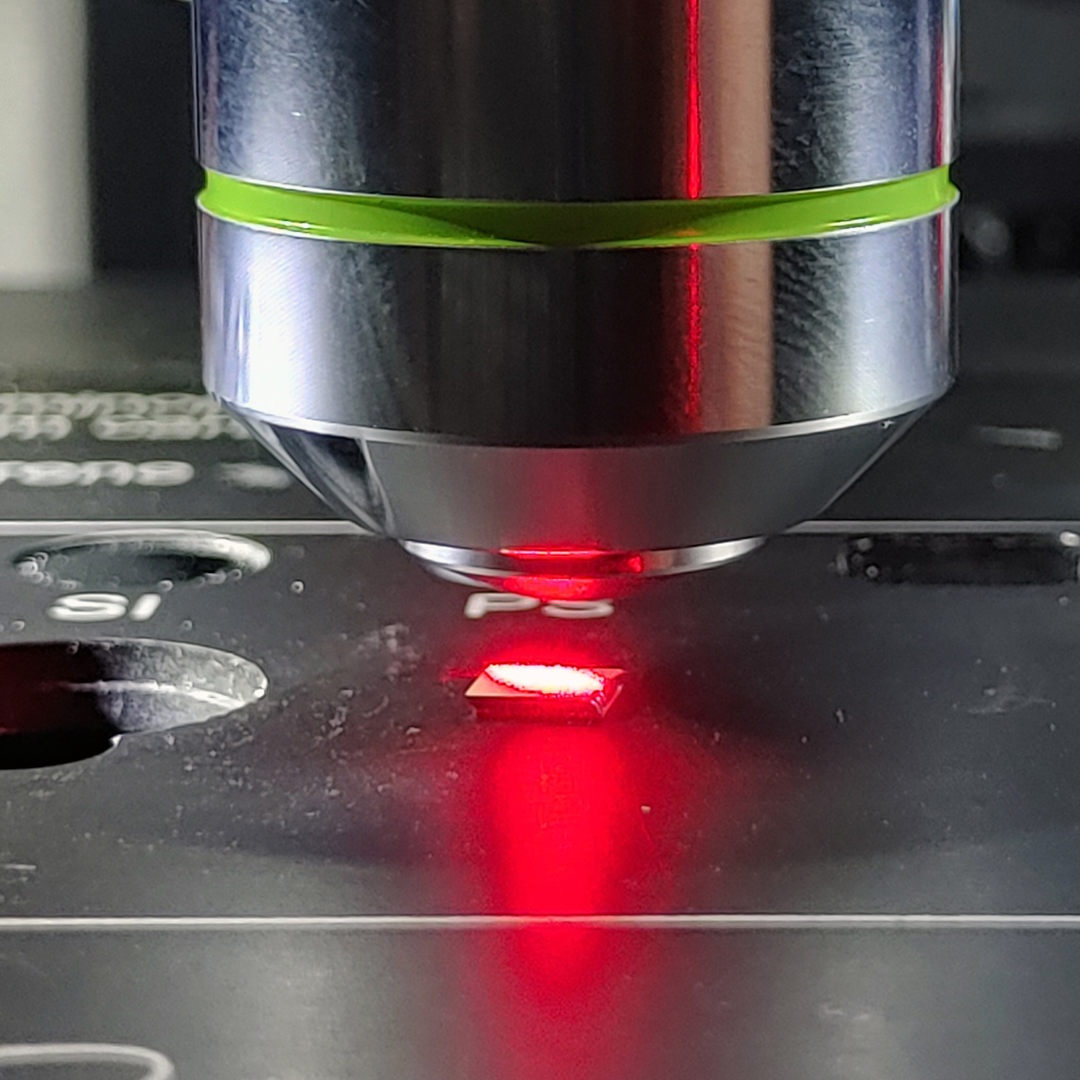
Raman microscopes combine optical microscopy with Raman spectroscopy for point analysis, mapping and chemical imaging at microscopic length scales. They are used to investigate the composition, structure and spatial distribution of materials and heterogeneous samples.
Process Analyzers
Process Raman analyzers use fiber-optic probes or integrated sampling interfaces to monitor chemical composition in reactors, process lines and other production environments, for reaction monitoring, process development, quantitative analysis and Process Analytical Technology (PAT).

Raman Applications
Raman spectroscopy is used across research, quality control and industrial analysis to investigate chemical composition and material structure. Its applications range from microscopic characterization and chemical imaging to material identification and real-time process measurements.