
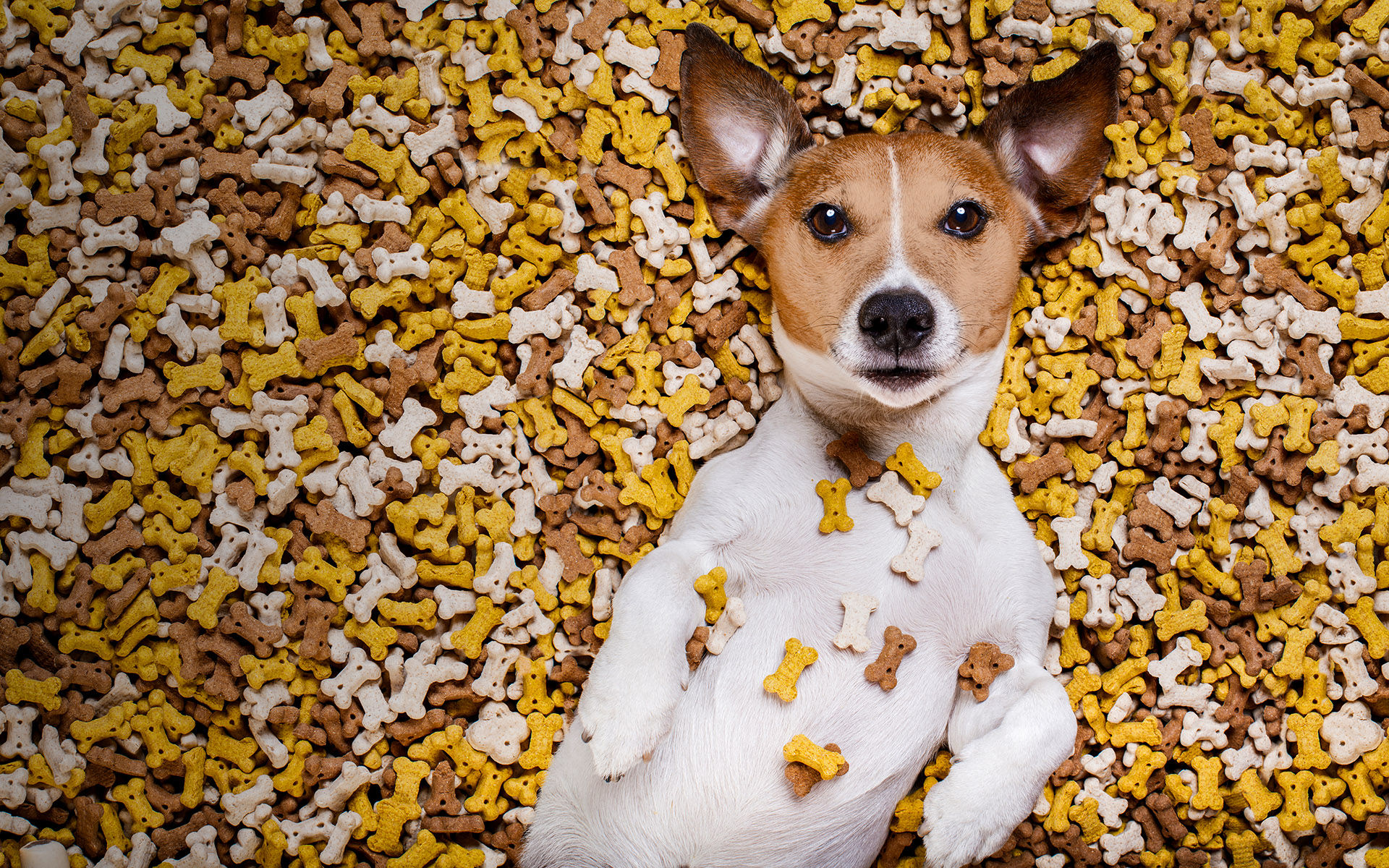
ペットフード
ペットフードの分析
ペットフードに関して、消費者は愛する家族のために最高品質を期待しています。ペットフードの規制では、ラベルに「保証分析値」情報を記載することが義務付けられています。さらに、製品は安全で、有害物質を含まないものでなければなりません。

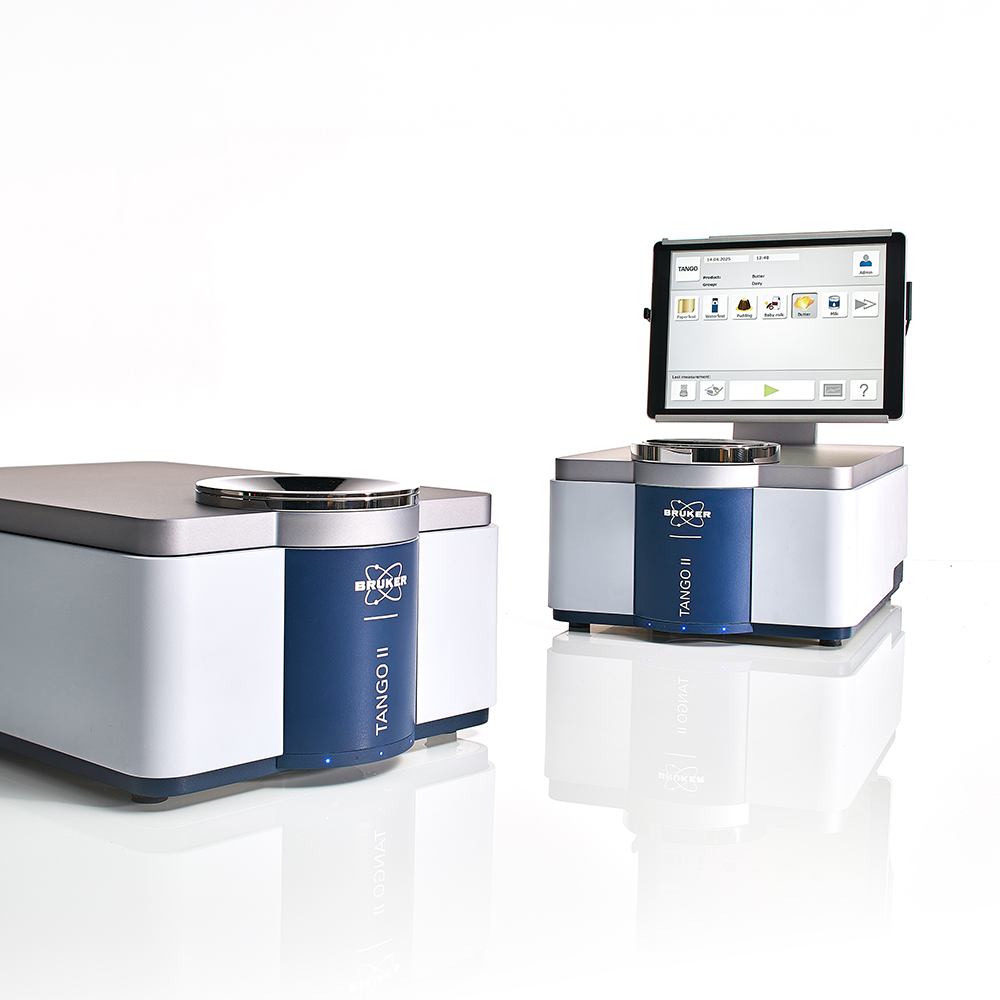
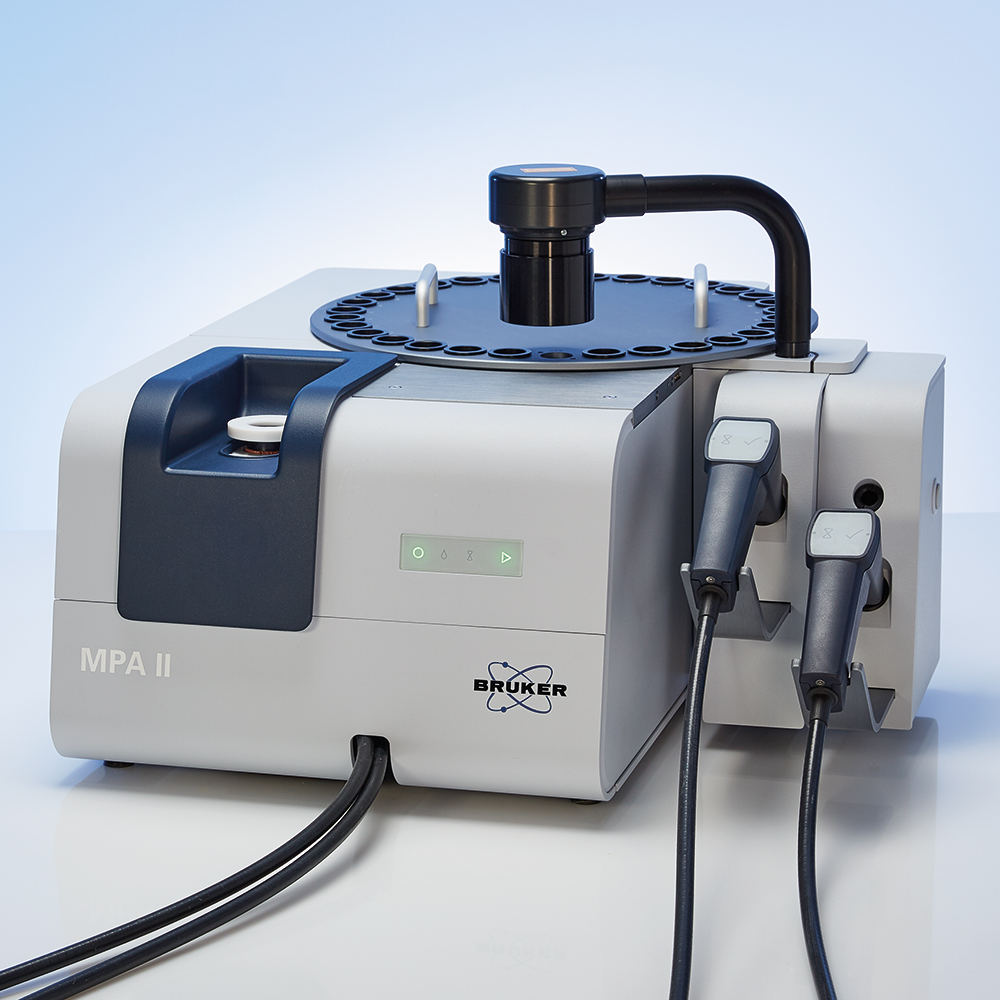
ブルカーは、ペットフードの原材料や最終製品の品質管理を迅速かつ確実に行うため、近赤外分光法(FT-NIR)をベースとしたソリューションを提供しています。試料は、水分、粗脂肪、粗タンパク質、粗繊維、粗灰分などの主な成分を数秒で非破壊で分析でき、分析時間と試薬の使用量を削減することで、コストを節約することができます。
ラボや製造現場で、洗浄が簡単なカップに固体試料を入れ、分析装置にセットするだけで分析ができます。ブルカーオプティクスの飼料と原料の包括的なキャリブレーションパッケージは、ISO12099ガイドラインに従って開発されています。

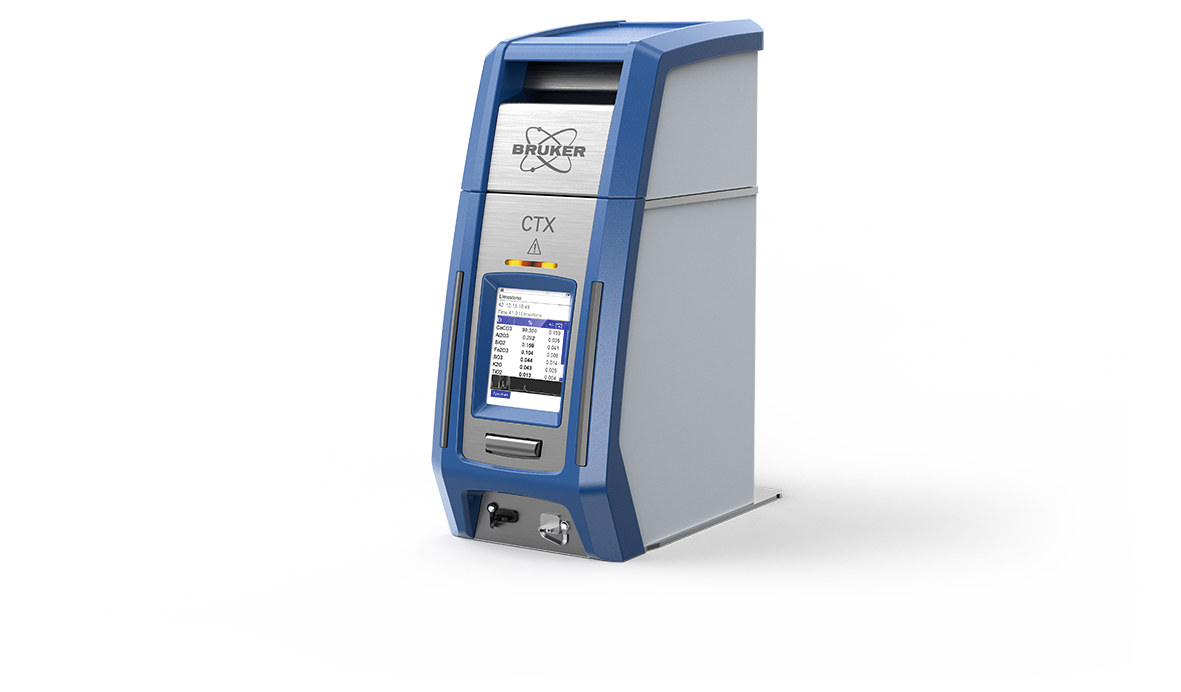
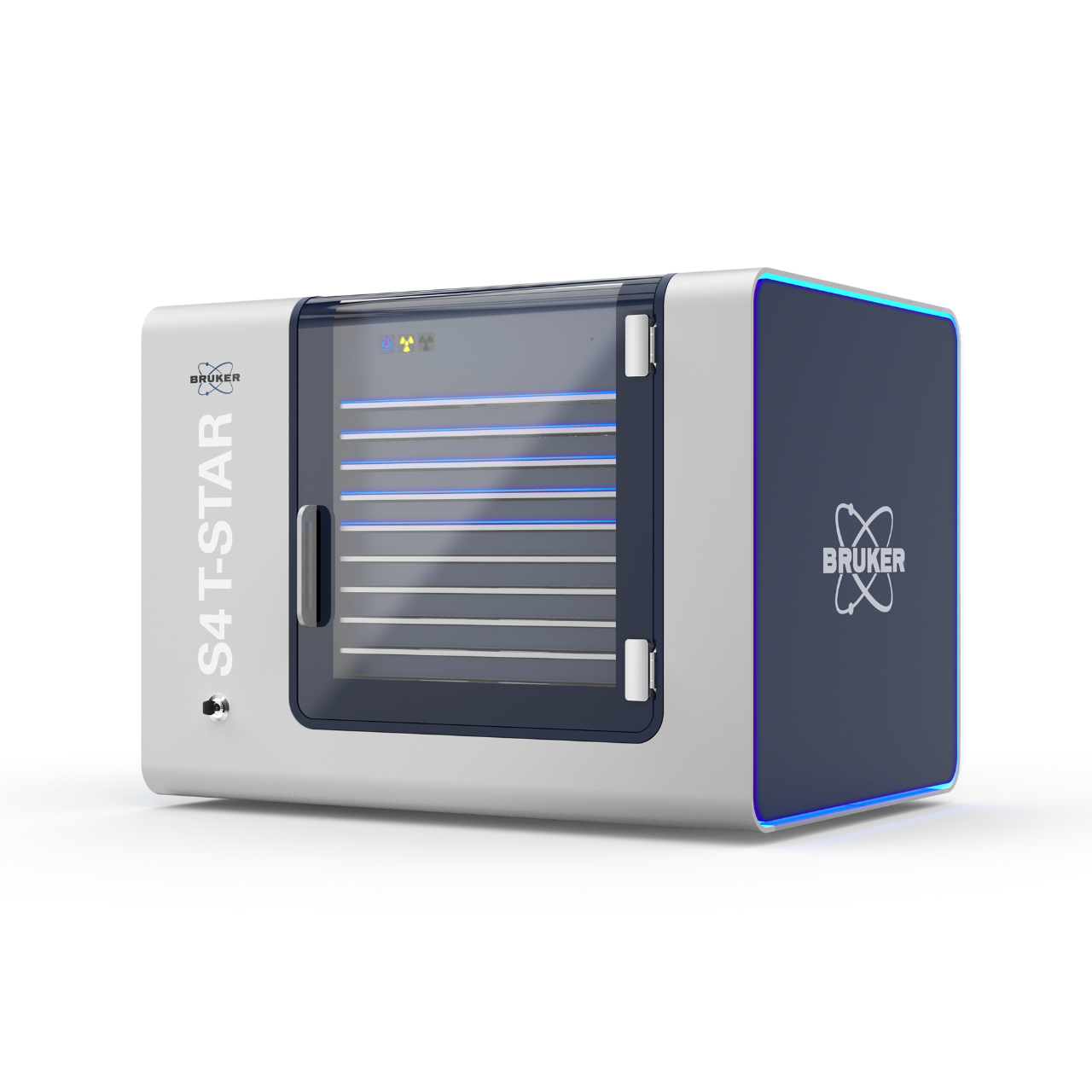
蛍光X線分析(XRF)は、原料から最終製品まで、マクロ、ミクロおよび微量の無機栄養素について、迅速かつ非破壊で分析することが可能です。さらに、有害金属のスクリーニングや、Naなどの添加物、Feなどの強化剤のモニタリングが可能なことも重要です。ブルカーの元素分析装置のポートフォリオには、ハイスループットのラボ用蛍光X線分析装置をはじめ、あらゆる場所で分析が可能なハンドヘルド型装置などがあります。
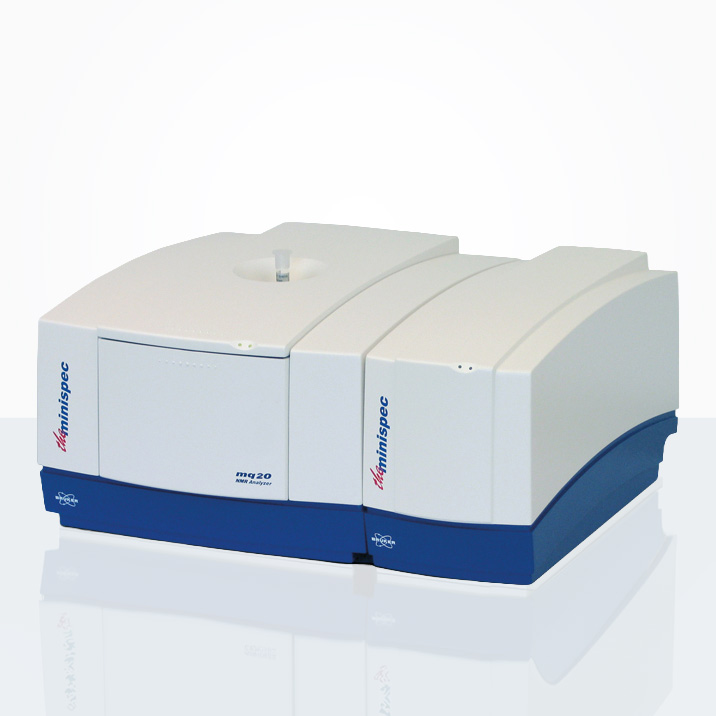
ペットフードの総脂肪量は、ベンチトップ型TD-NMR分析装置を用いて、簡単かつ迅速に分析することができます。測定時間は通常1分以内で、最小限の試料調製と高い精度(総脂肪量の測定で±0.1%など)により、食品産業における品質管理(QC)に選ばれている方法です。
ペットフードに異物が混入した場合、その原因を特定し、是正措置を講じることは需要です。XRFとFT-IRは、生産現場や実験室で、これらの小さな物理的汚染物質を素早く特定します。XRFは金属、セラミック、石、ガラスのような無機系の異物に最適であり、相補的にFT-IRはプラスチック、ゴム、その他の有機化合物に最適です。

魚用飼料ペレットは、押出成形や真空コーティングなどの様々な製造工程を経て作られるため、かなり複雑です。
使用する原材料の品質にはばらつきがありますが、最終製品は栄養面でも物理的な特性でも一定の品質である必要があります。
ペレットの微細構造は、脂肪の分布、水中での浮遊性、輸送中の機械的強度などに大きな影響を与えるため、制御すべき重要なパラメータとなります。
3D X線顕微鏡(XRM)は、細孔構造やペレット中の脂肪の分離を迅速に評価することができます。XRMによる非破壊の3次元可視化は、飼料製造のモニタリングだけでなく、飼料エンジニアリングの支援にも理想的です。
Compositional Analysis of Pet Food using FT-NIR Spectroscopy

Bruker offers solutions based on FT-NIR spectroscopy for a fast and reliable quality control of incoming pet food ingredients as well as the finished pet food. Samples can be analyzed non-destructively in seconds for the main constituents like moisture, fat. Protein, fiber, and ash, saving costs by reducing time and reagent use.
Analyzing in the lab or at-line close to production requires just filling an easy-to-clean cup with the solid sample and to present it to the analyzer. Bruker Optics comprehensive calibration packages for feed and ingredients are developed following the ISO 12099 guideline.
Elemental Analysis of Pet Food with XRF
X-Ray Fluorescence (XRF) spectroscopy is a fast and highly-accurate method to measure the elemental composition of pet food, providing reliable nutritional information for quality assurance and product development.
Ensuring that pet food products contain the correct mineral balance is essential for pet health, product quality, and consumer satisfaction.
Important elemental nutrients for pets include sodium (Na), magnesium (Mg), phophorus (P), calcuium (Ca) to iron (Fe), manganese (Mn), copper (Cu), zinc (Zn), and selenium (Se).
The levels of these nutrients must be carefully optimzed to match the varying dietary requirments of different species of pets, breeds and life stages. Addiitionally, the ratios of the elements present must also be correct to ensure nutrition is met - for example, the Ca to P balance is important for the skeletal metabolism.

Fast and Efficient Profiling of Mineral Nutrient Content
X-Ray Fluorescence (XRF) spectrometry enables the fast, reliable and non-destructive determination of the complete mineral profile of pet food products, including macro-, micro- and trace minerals, as well as contaminants.
XRF analysis can be used across the production cycle - from starting raw materials to intermediate pre-mixes and final pet food products. Wet and dry samples can be measured as they are or with only minimal sample preparation.
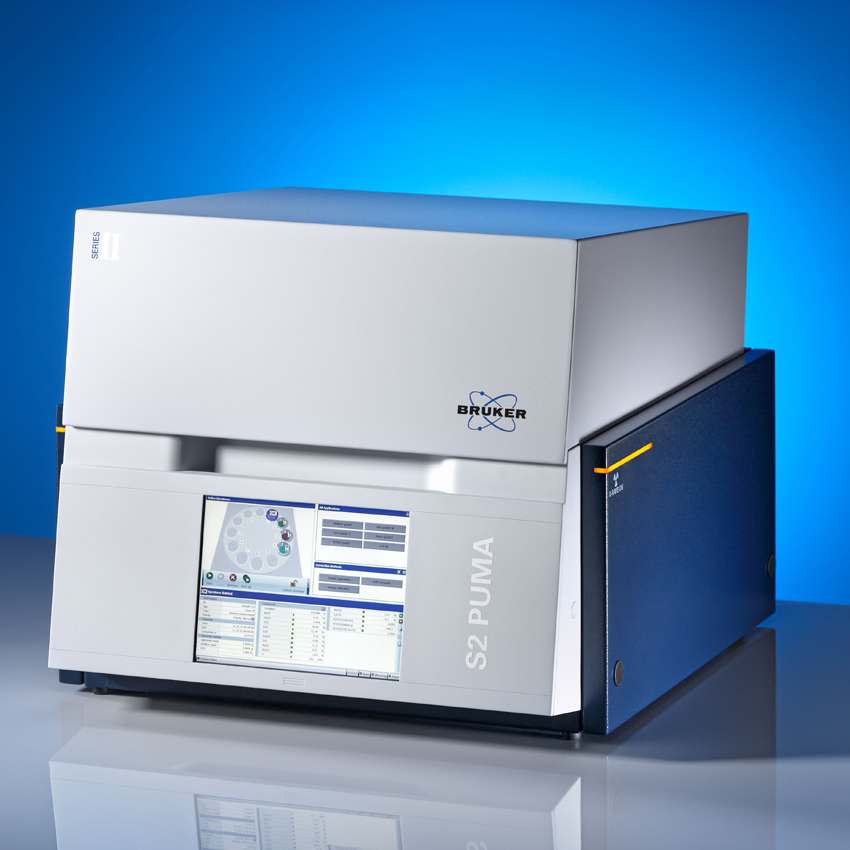
Bruker's XRF solutions, such as the S2 PUMA benchtop ED-XRF, are easy to use and allow for raw material check, at-line process monitoring and final quality control within minutes after sampling.
Bruker's Elemental Analyzer Portfolio
Bruker’s XRF range includes instruments for every application and budget to meet the needs of animal food manufacturers.
These solutions include:
- ED-XRF and WD-XRF spectrometers for high-throughput, laboratory-grade elemental analysis.
- Handheld and portable XRF analyzers for quick and accurate elemental analysis.
- TXRF spectrometers for ultra-trace elemental analysis.
if you are interested in learning more about the benefits of XRF for your pet food production and quality assurance processes contact one of our experts.

Micro-CT Imaging of Fish Feed Pellets

Fish feed pellets are pretty complex to make with different production steps such as extrusion and vacuum coating involved.
Despite the fluctuating quality of the raw materials used, the final product needs to be of constant quality both in terms of nutritional as well as physical properties.
A key parameter to control is therefore the pellet microstructure because it has a significant impact e.g. on the fat distribution, the floating behavior in the water, or the mechanical strength during transport.
XRM enables fast evaluation of the pore structure and separation between matrix and fat. Non-destructive 3D visualization with XRM is thus ideal to support feed engineering, as well as monitoring feed production.
Total Fat Content Analysis with TD-NMR
The total fat content of pet food can be easily and rapidly determined using the bench-top TD-NMR analyzer. The measurement takes typically less than one minute and is the method of choice for Quality Control (QC) in the food industry with minimal sample preparation and high accuracy (e.g.+-0.1% for total fat determination).
関連動画
How to use handheld and portable XRF (HH-XRF , pXRF) to to identify physical contamination in food products
Physical Contaminant Spectral Fingerprinting for Food Production