Nanoelectrical Characterization Using Atomic Force Microscopy
Choose the best method for measuring the nanoelectrical properties of your sample.
Atomic force microscopy (AFM) has unique capabilities that make it ideal for nanoscale electrical characterization of properties including conductivity, resistivity, work function, surface potential, charge/carrier density, and dielectric/piezoelectric properties.
Watch this webinar to learn about:
- Our experts' recommendations for AFM modes for characterizing different nanoelectrical properties, supported using example data showing results on a variety of materials and devices.
- The key challenges and advantages of common AFM modes used for nanoelectrical characterization.
- Practical considerations for nanoelectrical characterization, including tip/cantilever selection, influence of environment, and quantification possibilities.
- How nanoelectrical data can be correlated with AFM-based nanomechanical and nanochemical data.
Abstract
In this webinar, the presenters highlight how atomic force microscopy (AFM) is ideally suited for nanoscale characterization of electrical properties, including conductivity, resistivity, work function, surface potential, charge. carrier density, dielectric and piezo-electric properties.
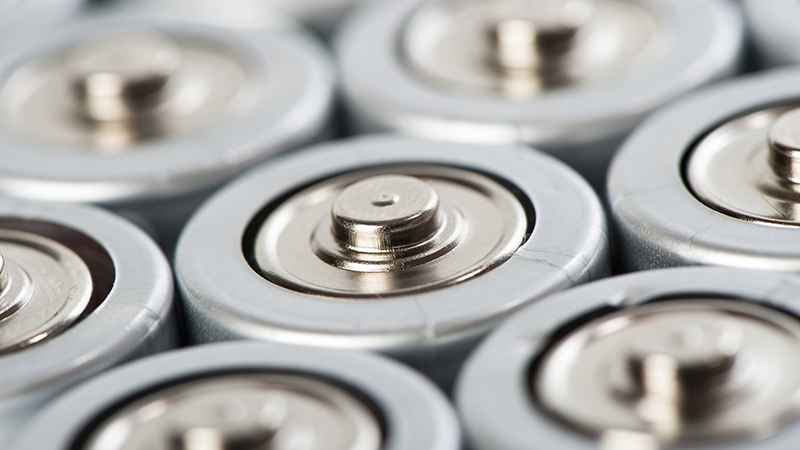
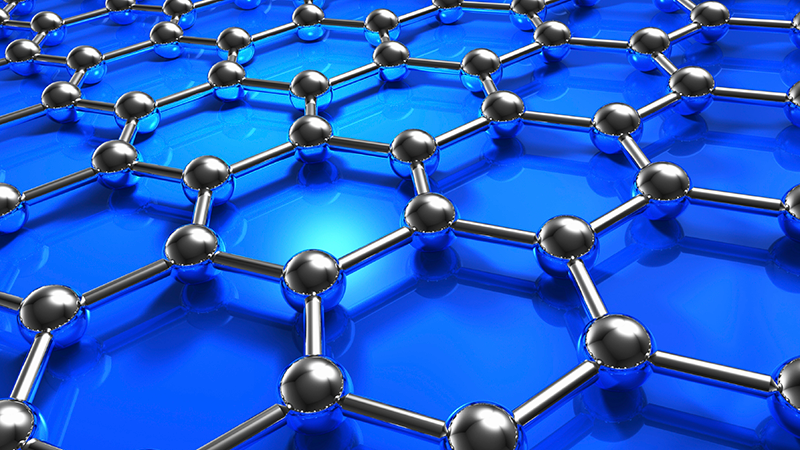
The presenters will first give an overview of available AFM modes commonly applied in nanoelectrical material research and describe their advantages and challenges. They will illustrate each mode with a few examples on a variety of materials and devices including semiconductors, 2D materials, batteries, and photovoltaics. They will then address practical aspects, such as selecting the ideal AFM tip and cantilever, influence of the environment, and quantification possibilities.
The presenters will also discuss how the high-resolution imaging capability of these AFM modes can be complemented by local spectroscopy, such as I-V, C-V and domain switching spectroscopy in selected positions, as well as in complete maps through DataCube approaches. Finally, they will describe how these nanoelectrical properties can be correlated with AFM-based nanomechanical and nanochemical characterization data.
Find out more about the technology featured in this webinar or our other solutions for nanoelectrical characterization: