
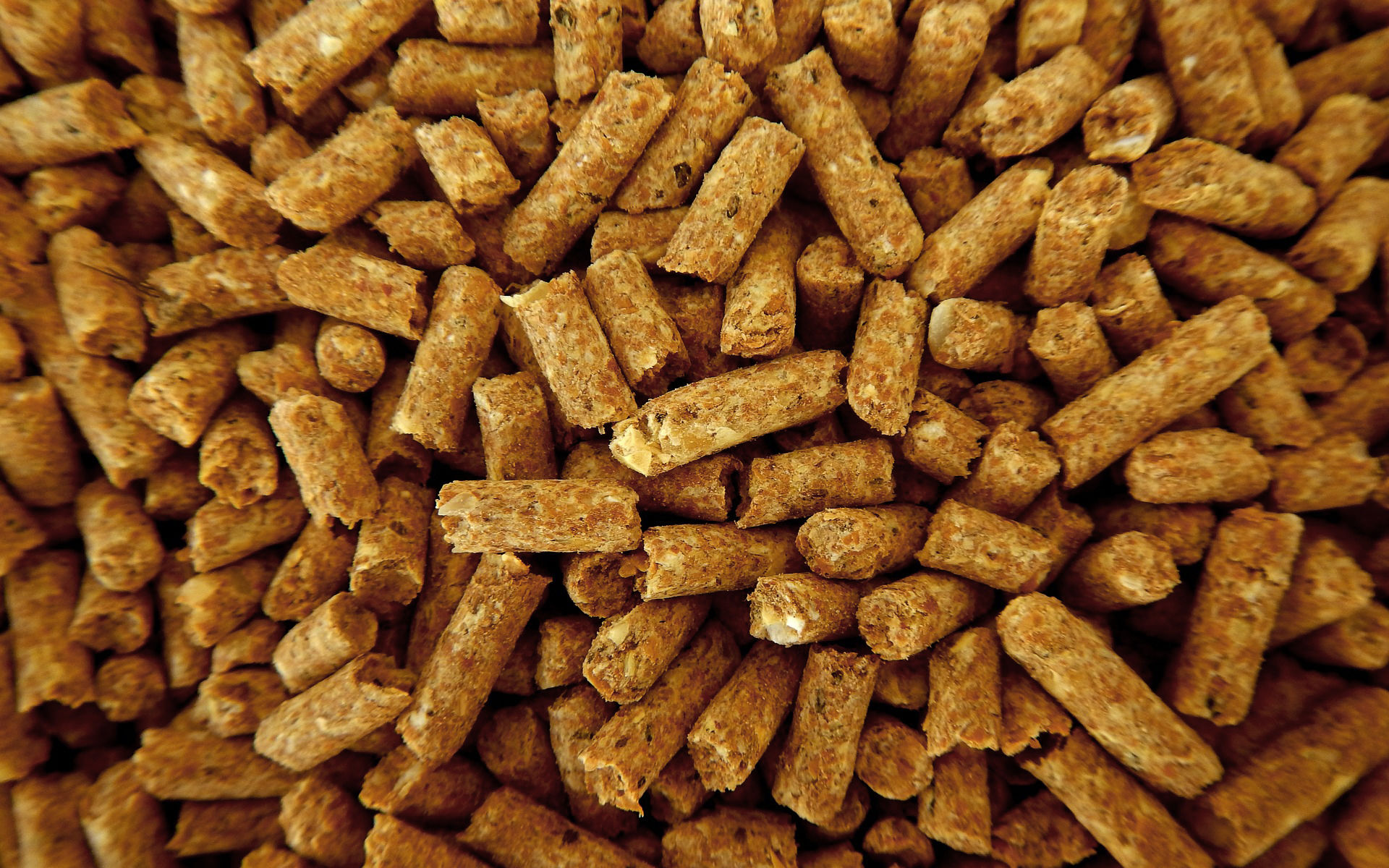
飼料・原料
動物用飼料・原料の分析
家畜の飼料コストは、ほとんどの商業畜産農家にとって最大の操業コストです。飼料コストと生産性の最適なバランスを維持するためには、すべての飼料原料の主要成分と微量栄養素の含有量を分析する必要があります。また、飼料と必要な補助飼料を配合するためにもこれらの分析値は不可欠です。さらに、重金属や異物などの混入がないかをモニタリングすることも重要です。
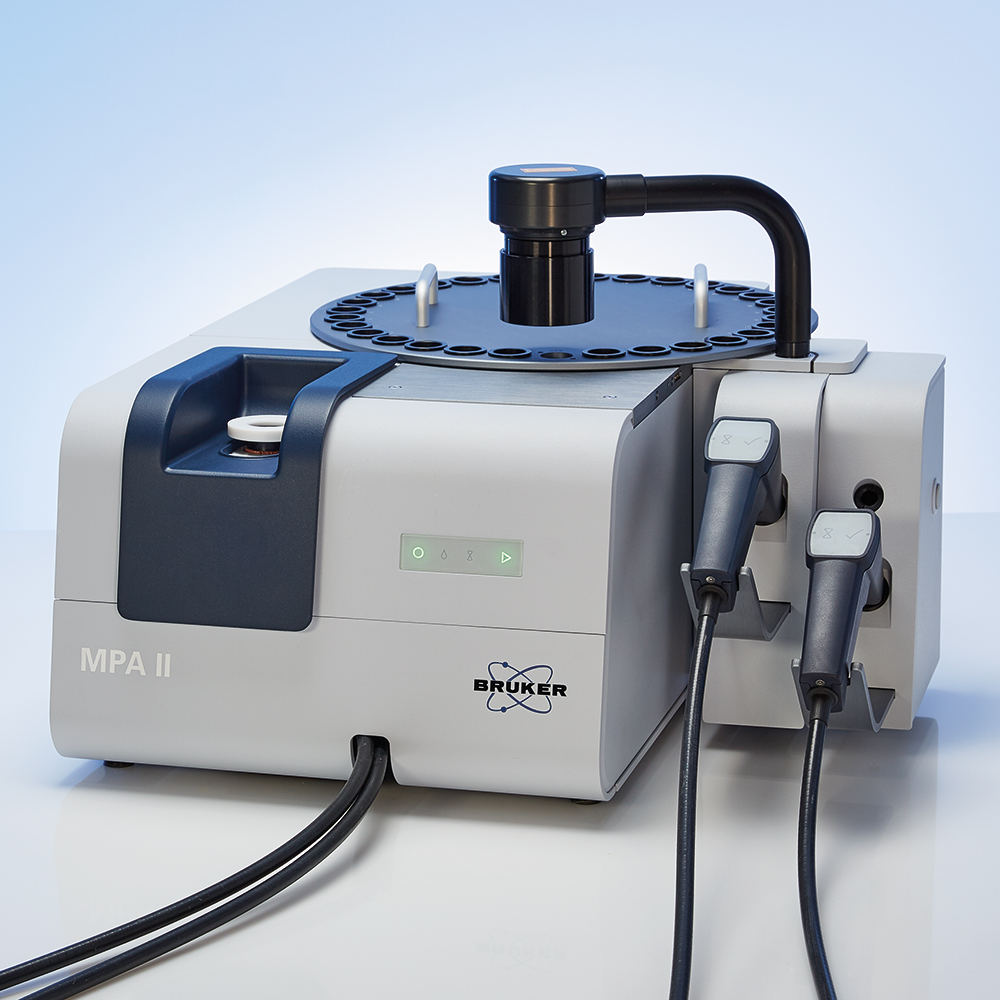
Compositional Analysis of Animal Feed with FT-NIR

The raw materials for animal feed vary widely in composition, due to origin, seasonal changes, or year. FT-NIR spectroscopy offers a rapid, accurate and non-destructive tool for the analysis of the main constituents including moisture, fat, protein, fiber, and ash as well as other more specialized parameters like starch, sugars, digestibility, and amino acids.
Our comprehensive calibration packages for feed and ingredients are developed following the ISO 12099 guideline. These calibrations help you to achieve a superior quality control, allowing optimum formulation for animal wellbeing and productivity.
Fast & Accurate Nutrient Analysis of Feed using XRF Spectroscopy
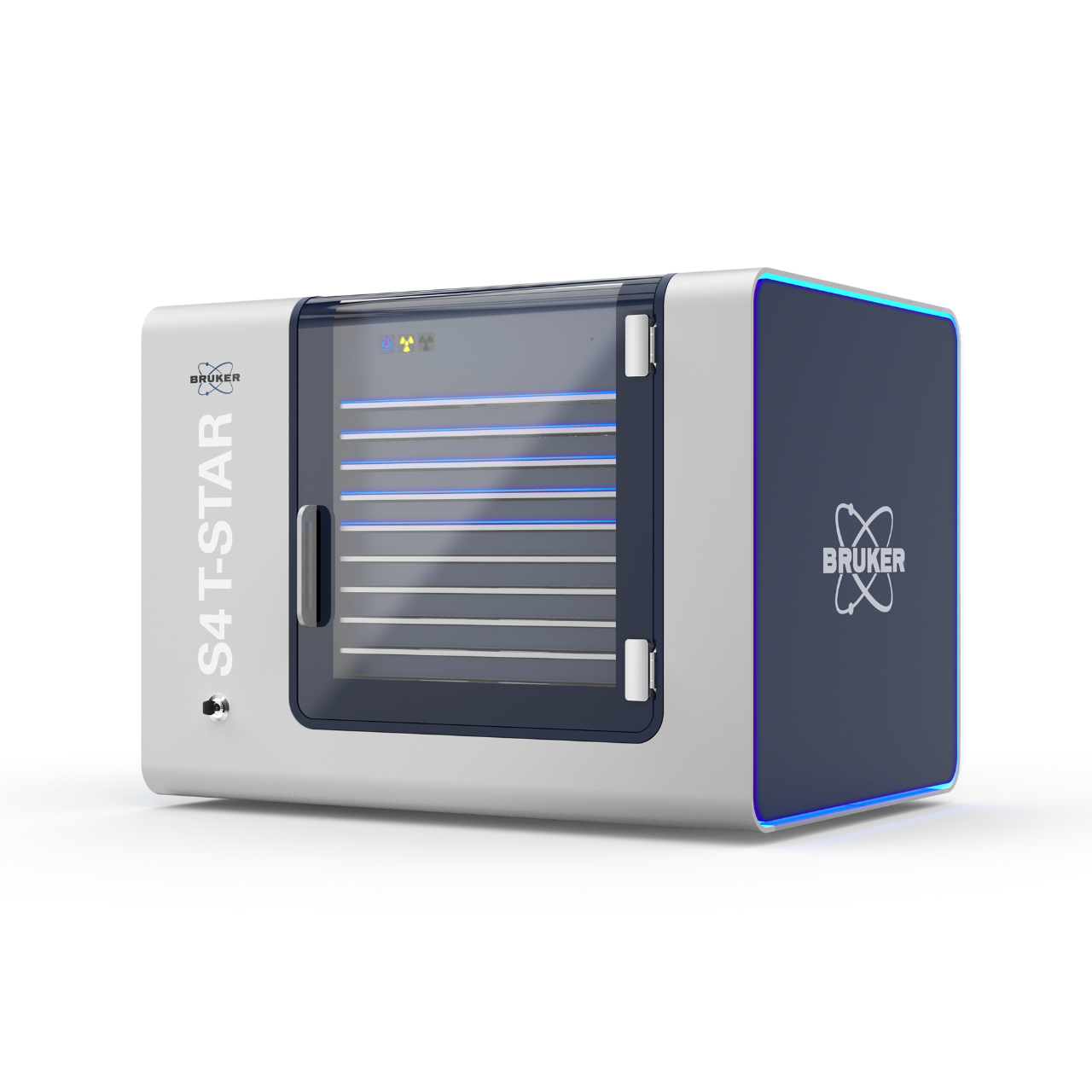
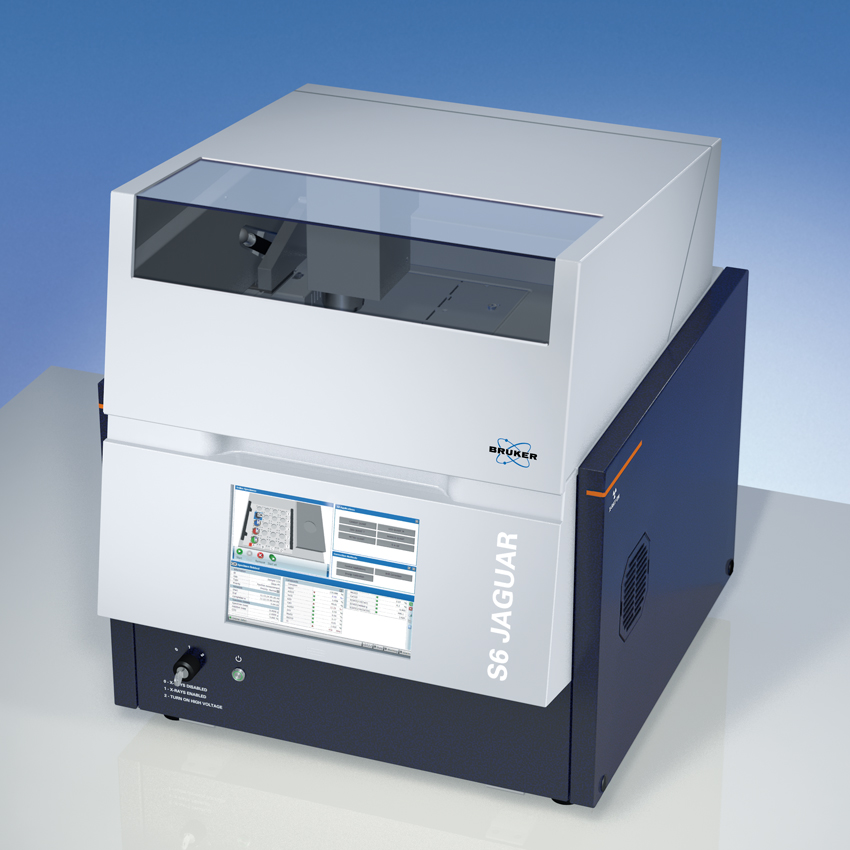
X-Ray Fluorescence (XRF) spectroscopy enables the fast, non-destructive elemental analysis of macro-, micro-, and trace nutrients, as well as contaminants across the entire feed value chain.
Raw materials, intermediates and finished products can be measured directly or after minimal sample preparation, including forages, silages, pre-mixes, total mixed rations (TMR) and compound feed.
XRF gives feed manufacturers the ability to quickly and precisely monitor key nutrition elements such as Na, Mg, P, S, Cl, K, Ca, Fe, Mn, Cu, Zn and Se, while simultaneously screening for toxic metals like Pb.
Elemental analysis with XRF is especially useful for ensuring compound feed quality, meeting regulatory standards or for corrective action during the feed production process.
Beyond feed analysis, XRF analysis can also be used to analyze urine, feces (manure), and other farm materials for their elemental content. This provides valuable insights into nutrient cycles and animal health enabling optimized feeding and minmizing environmental impact.
Foreign Body Identification
Foreign bodies found in feed products need to be identified to be able to determine their source for taking corrective action.
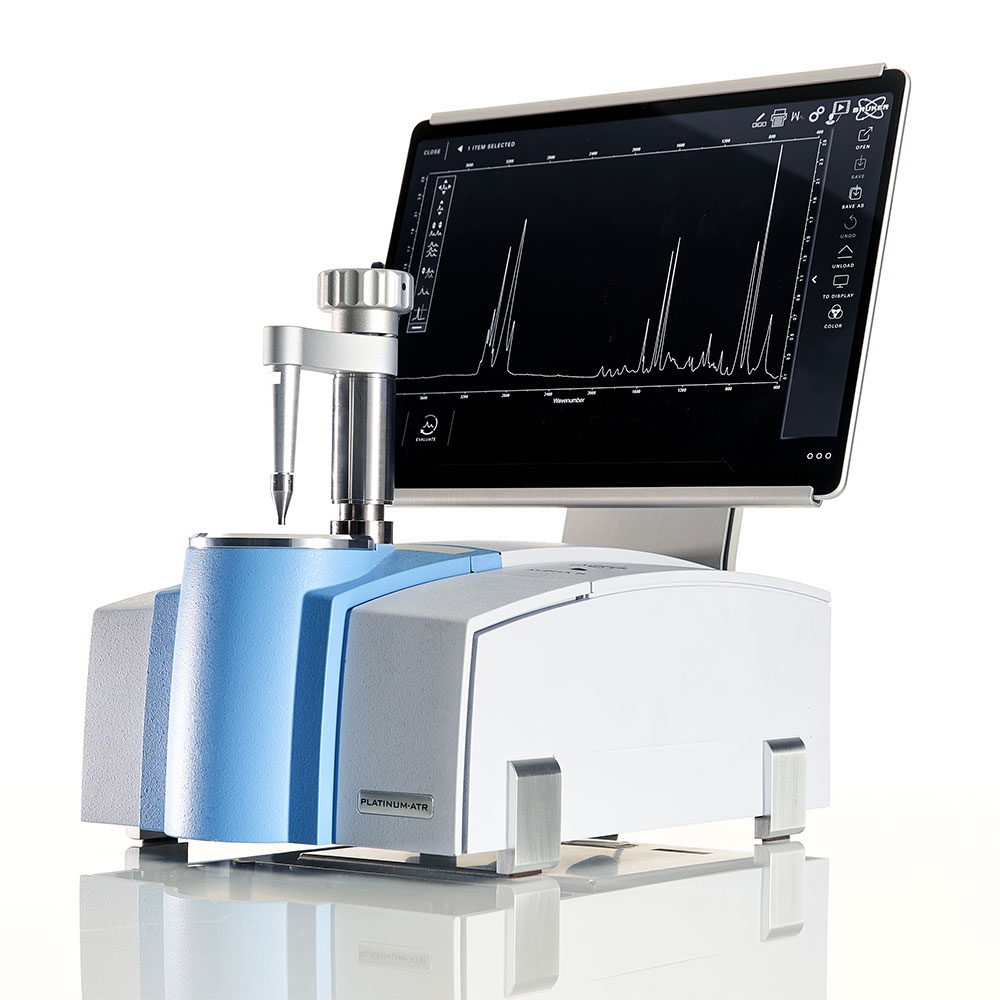
XRF and FT-IR quickly identify these small physical contaminant materials on the production floor or in the lab. Whereas XRF spectroscopy is ideal for metals, ceramics, stones and glass, the complementary FT-IR technology works best for plastics, rubbers, and other organic materials.

Bruker's Elemental Analyzer Portfolio
Bruker’s range of elemental analysis instruments addresses a wide range of requirements across animal feed analysis. Our solutions include:
- High-throughput lab-based ED-XRF and WD-XRF spectrometers.
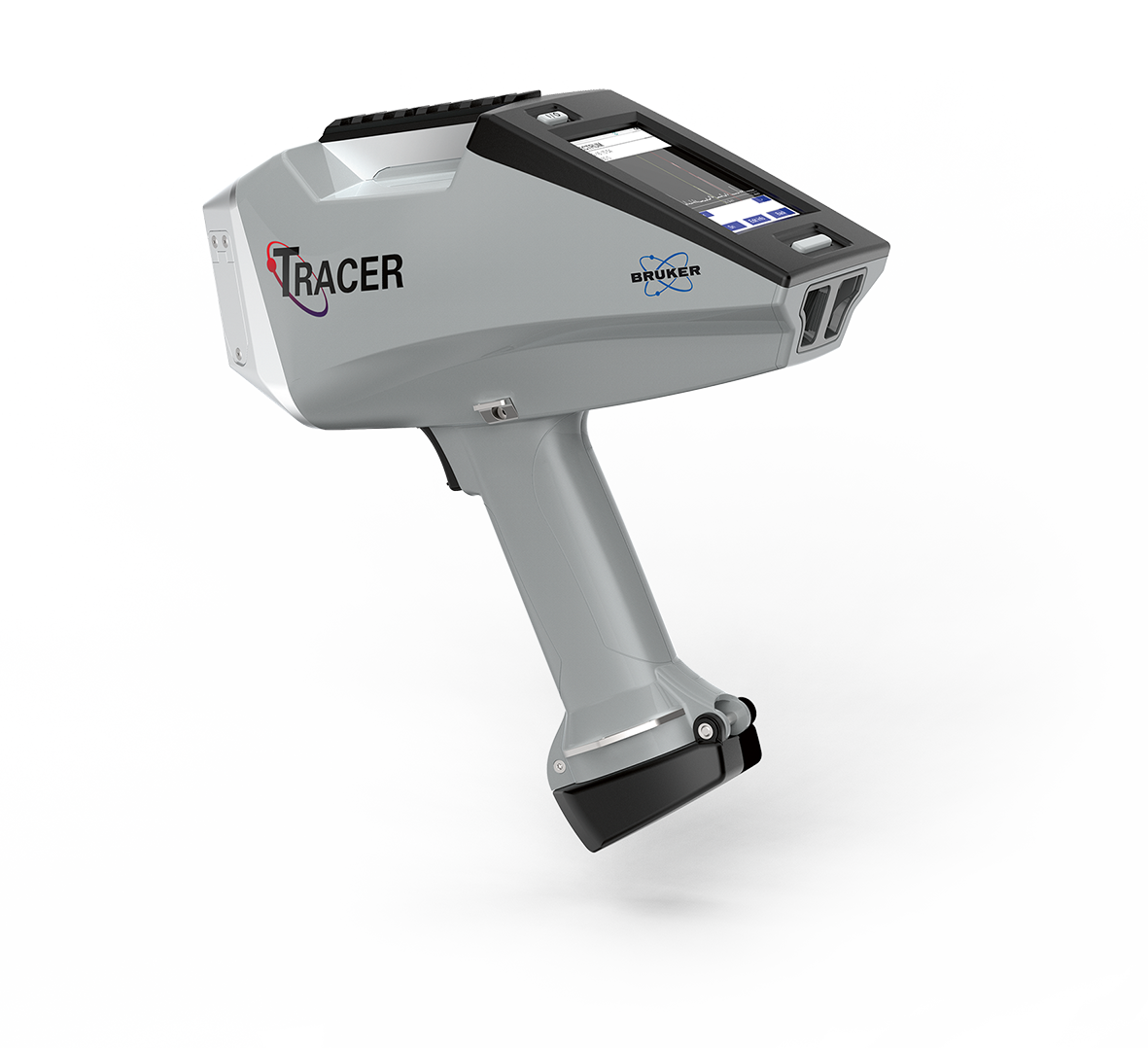
- Point-and-shoot handheld XRF analyzers.
- Ultra-trace analysis TXRF spectrometers.
if you are interested in learning more about the benefits of XRF for feed analysis contact one of our experts.

関連ビデオ
How to use handheld and portable XRF (HH-XRF, pXRF) to to identify physical contamination in food products
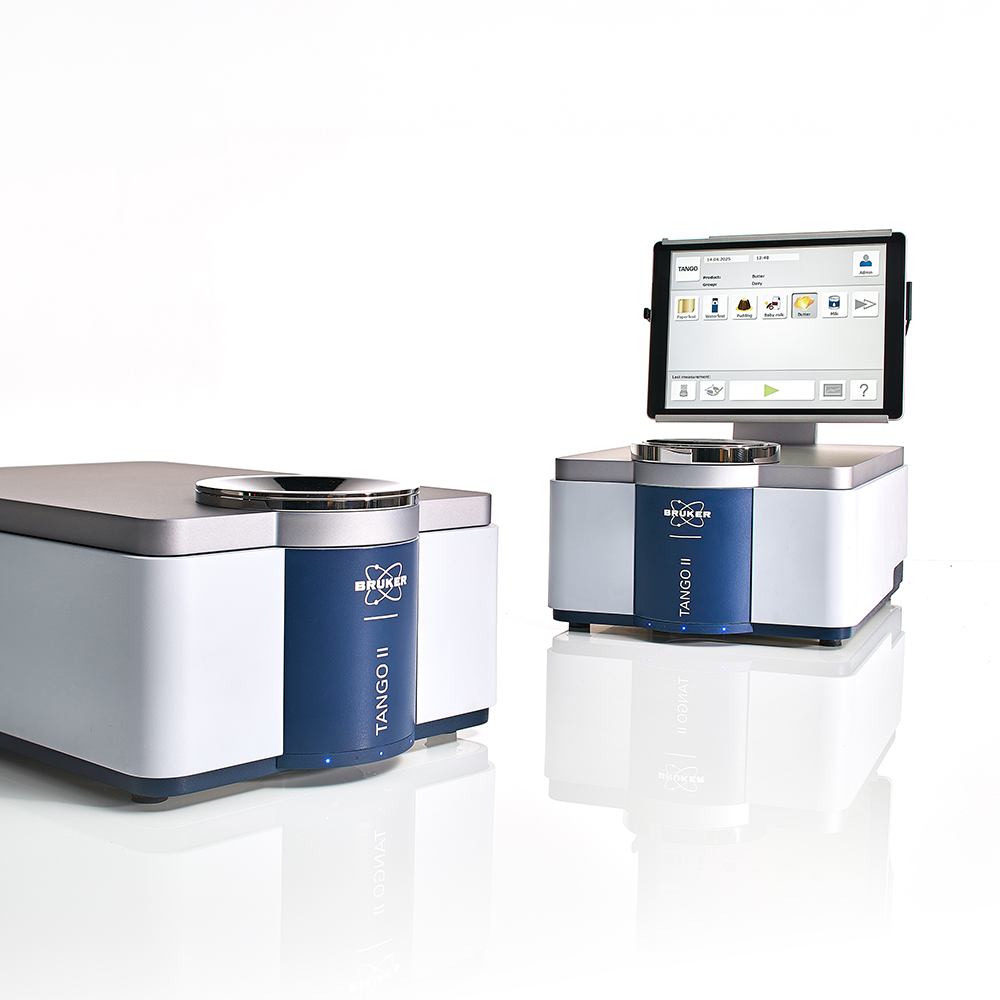
TANGO for high precision, straightforward and reliable feed analysis. The touch screen operation and a small footprint are perfect for laboratories with limited space. User interface is available in more than 15 languages!