
Quality, Safety and Process Analysis of Pet Food
Helping to Ensure that Our Beloved Pets Recieve Only Top Quality Feed
When it comes to pet food, consumers expect top quality for their loved ones. Pet food regulations require 'guaranteed analysis' information on the label. Moreover, the products must be safe and free of any harmful substance.
Bruker's analytical solutions, including FT-NIR, X-Ray Fluorescence (XRF), TD-NMR, and micro-CT, help pet food manufacturers improve their production processes, optimize the nutritional profile of their feed and ensure quality standards and regilations are met.
Compositional Analysis of Pet Food using FT-NIR Spectroscopy

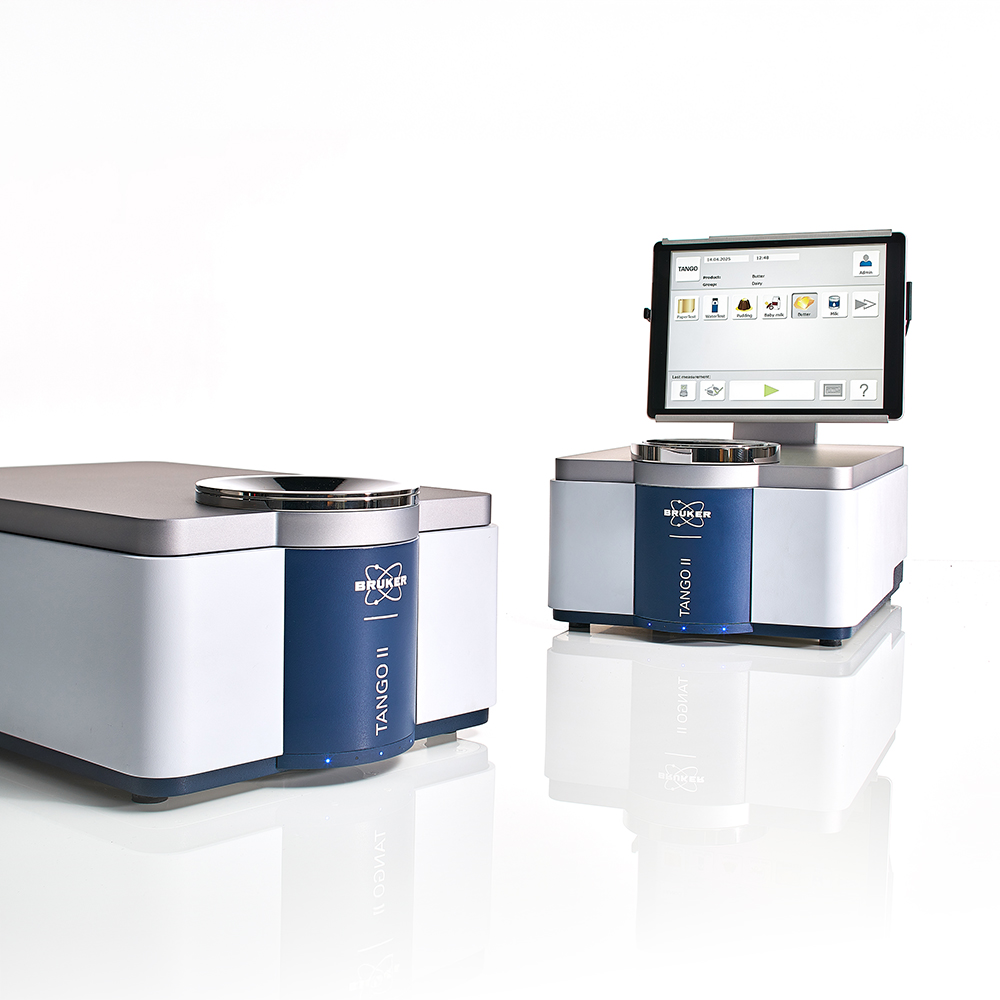
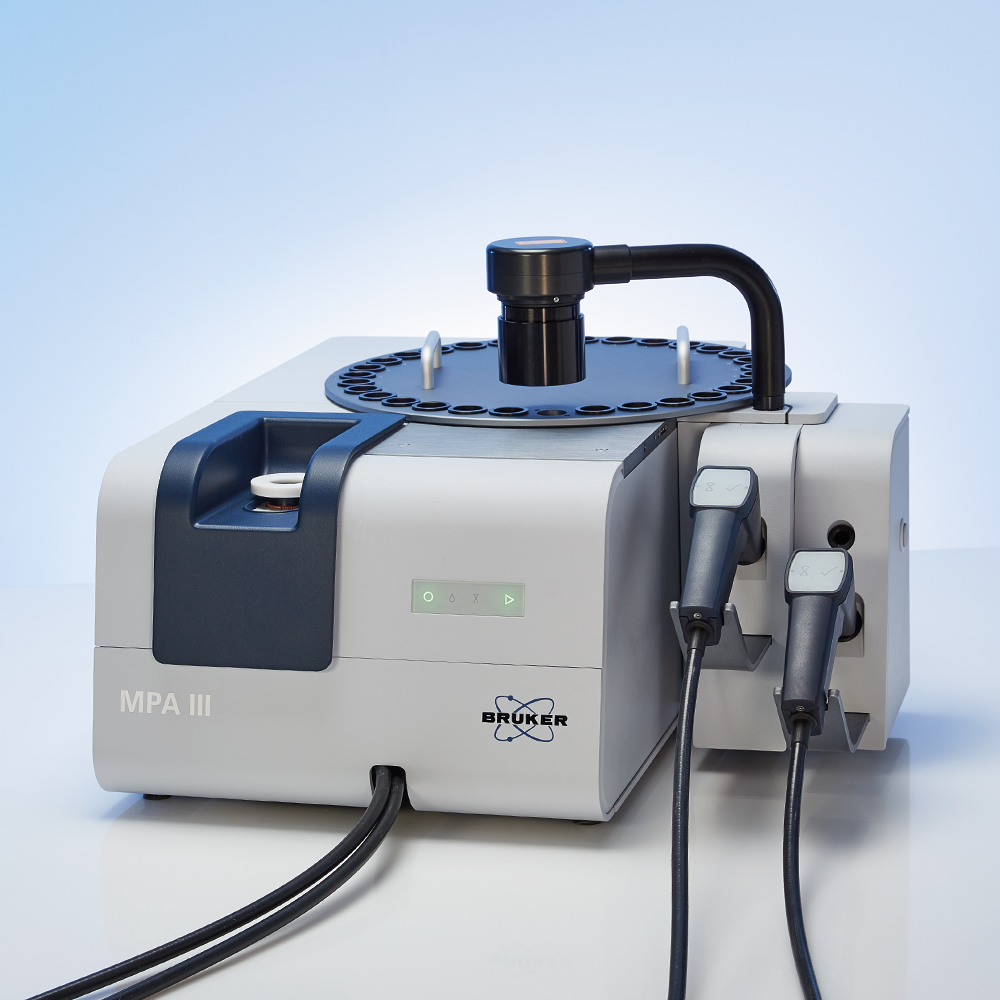
Bruker offers solutions based on FT-NIR spectroscopy for a fast and reliable quality control of incoming pet food ingredients as well as the finished pet food. Samples can be analyzed non-destructively in seconds for the main constituents like moisture, fat. Protein, fiber, and ash, saving costs by reducing time and reagent use.
Analyzing in the lab or at-line close to production requires just filling an easy-to-clean cup with the solid sample and to present it to the analyzer. Bruker Optics comprehensive calibration packages for feed and ingredients are developed following the ISO 12099 guideline.
Elemental Analysis of Pet Food with XRF
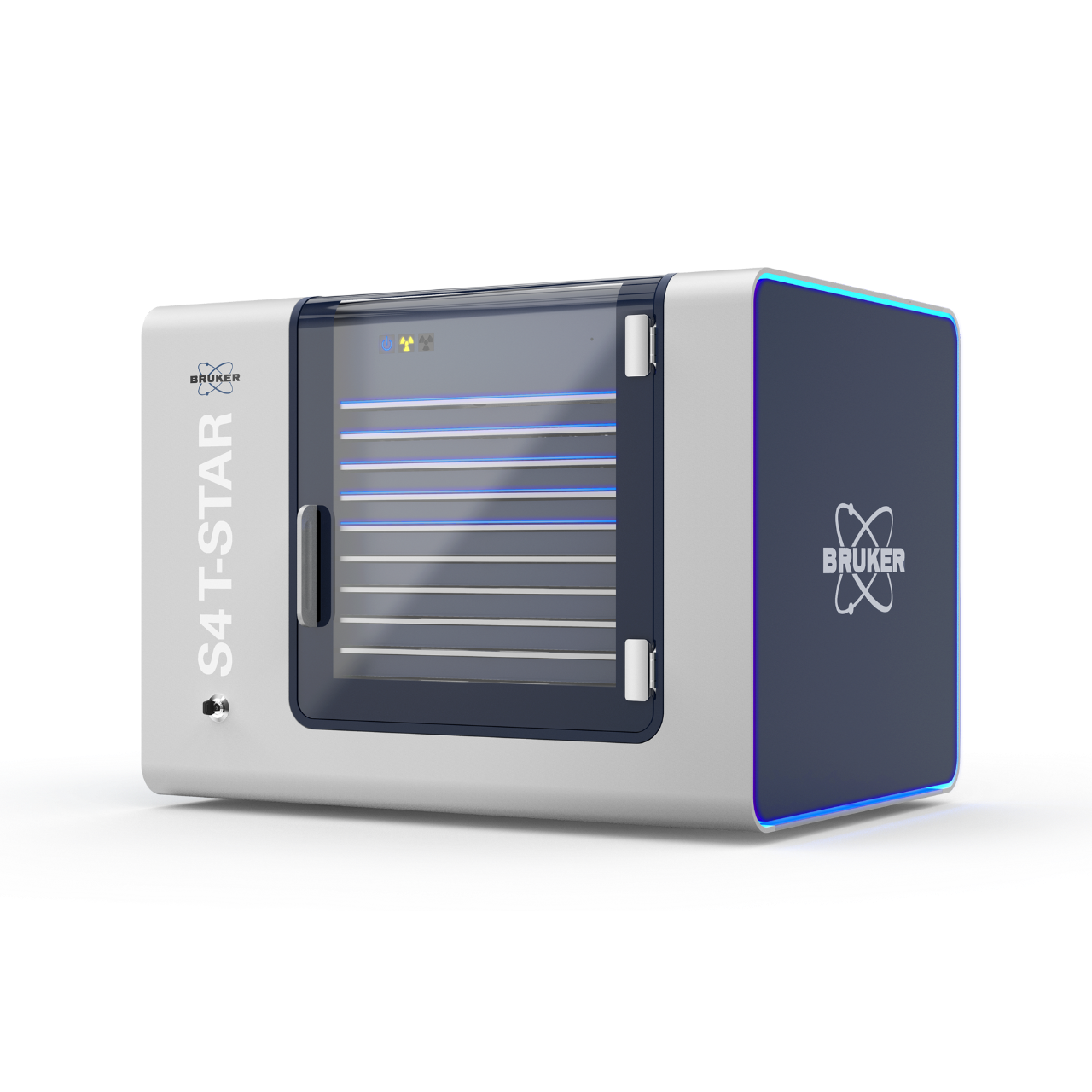
X-Ray Fluorescence (XRF) spectroscopy is a fast and highly-accurate method to measure the elemental composition of pet food, providing reliable nutritional information for quality assurance and product development.
Ensuring that pet food products contain the correct mineral balance is essential for pet health, product quality, and consumer satisfaction.
Important elemental nutrients for pets include sodium (Na), magnesium (Mg), phophorus (P), calcuium (Ca) to iron (Fe), manganese (Mn), copper (Cu), zinc (Zn), and selenium (Se).
The levels of these nutrients must be carefully optimzed to match the varying dietary requirments of different species of pets, breeds and life stages. Addiitionally, the ratios of the elements present must also be correct to ensure nutrition is met - for example, the Ca to P balance is important for the skeletal metabolism.

Fast and Efficient Profiling of Mineral Nutrient Content
X-Ray Fluorescence (XRF) spectrometry enables the fast, reliable and non-destructive determination of the complete mineral profile of pet food products, including macro-, micro- and trace minerals, as well as contaminants.
XRF analysis can be used across the production cycle - from starting raw materials to intermediate pre-mixes and final pet food products. Wet and dry samples can be measured as they are or with only minimal sample preparation.
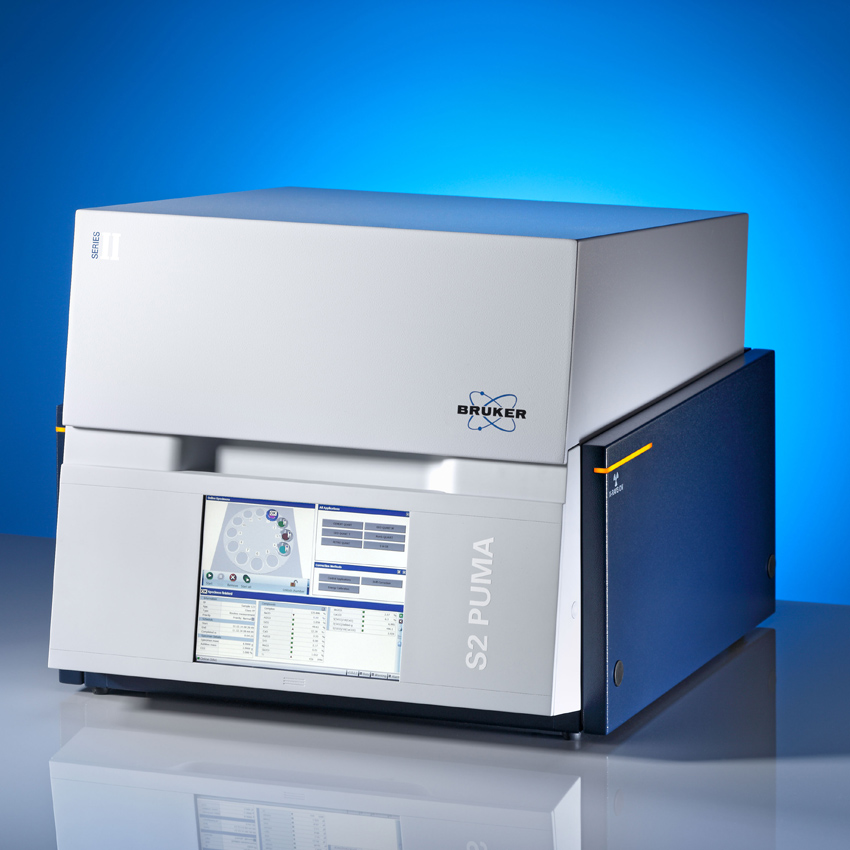
Bruker's XRF solutions, such as the S2 PUMA benchtop ED-XRF, are easy to use and allow for raw material check, at-line process monitoring and final quality control within minutes after sampling.
Bruker's Elemental Analyzer Portfolio
Bruker’s XRF range includes instruments for every application and budget to meet the needs of animal food manufacturers.
These solutions include:
- ED-XRF and WD-XRF spectrometers for high-throughput, laboratory-grade elemental analysis.
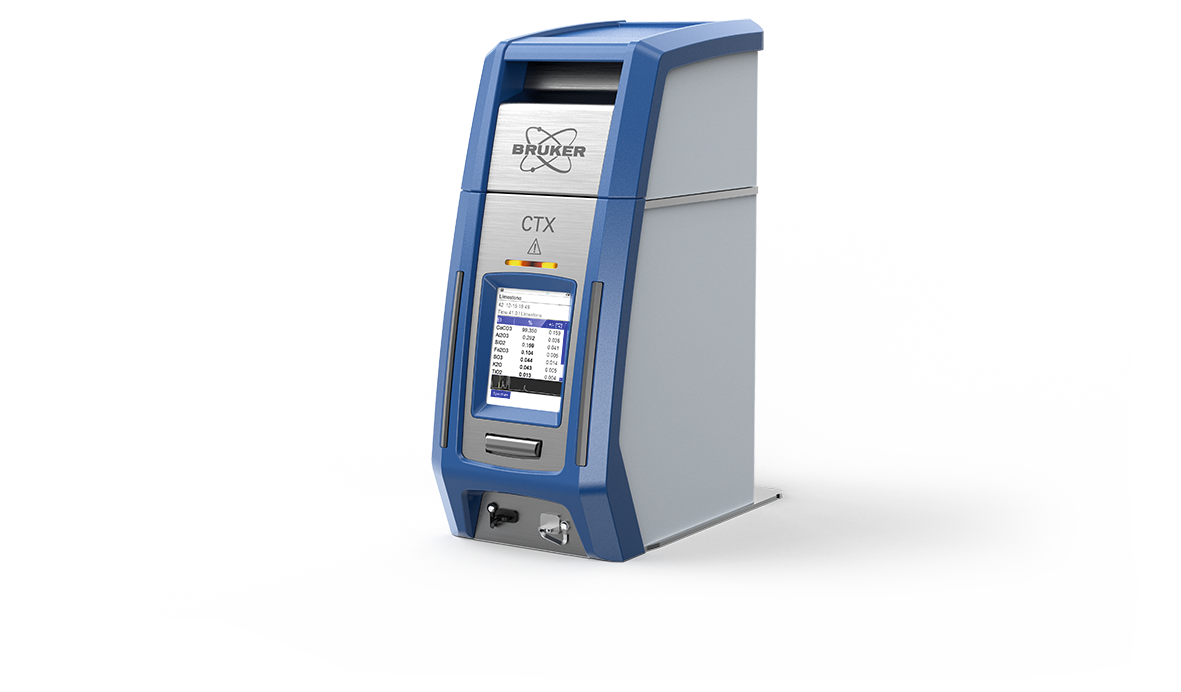
- Handheld and portable XRF analyzers for quick and accurate elemental analysis.
- TXRF spectrometers for ultra-trace elemental analysis.
if you are interested in learning more about the benefits of XRF for your pet food production and quality assurance processes contact one of our experts.

Micro-CT Imaging of Fish Feed Pellets

Fish feed pellets are pretty complex to make with different production steps such as extrusion and vacuum coating involved.
Despite the fluctuating quality of the raw materials used, the final product needs to be of constant quality both in terms of nutritional as well as physical properties.
A key parameter to control is therefore the pellet microstructure because it has a significant impact e.g. on the fat distribution, the floating behavior in the water, or the mechanical strength during transport.
XRM enables fast evaluation of the pore structure and separation between matrix and fat. Non-destructive 3D visualization with XRM is thus ideal to support feed engineering, as well as monitoring feed production.
Total Fat Content Analysis with TD-NMR
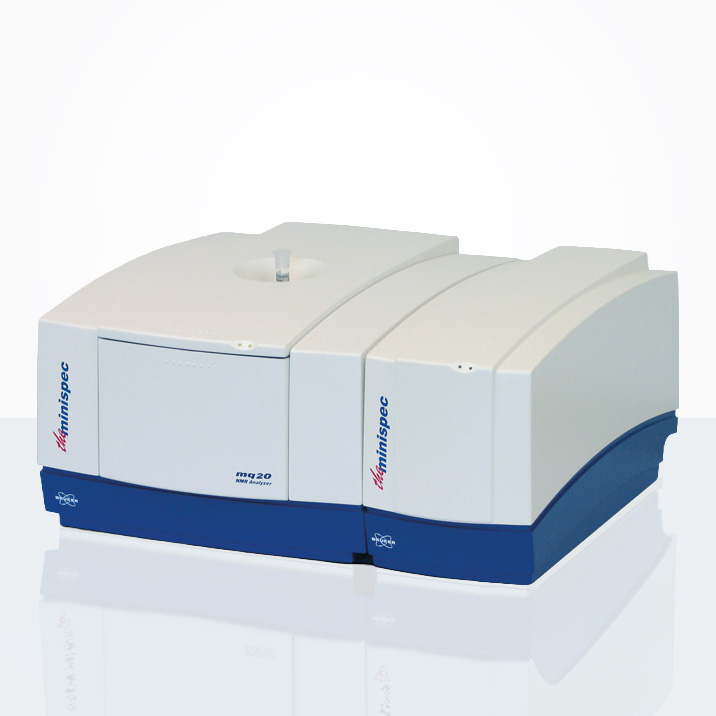
The total fat content of pet food can be easily and rapidly determined using the bench-top TD-NMR analyzer. The measurement takes typically less than one minute and is the method of choice for Quality Control (QC) in the food industry with minimal sample preparation and high accuracy (e.g.+-0.1% for total fat determination).
Related Videos
How to use handheld and portable XRF (HH-XRF , pXRF) to to identify physical contamination in food products
Physical Contaminant Spectral Fingerprinting for Food Production