


大気分析
大気科学と大気質のためのエアロゾル測定法
空気中の粒子状物質(PM)の定量的化学分析は、室内および屋外環境における健康影響の理解や、EUの大気質規制の施行に不可欠です。
AEROMET(Aerosol Metrology for Atmospheric Science and Air Quality)は、ヨーロッパにおける大気質モニタリングのための計量的枠組みの基礎を築き、強化することを目的としています。最終的にAEROMETは、エアロゾル複合分析のためのトレーサビリティと感度が改善された方法を開発し、実証したいと考えています。
このプロジェクトでは、カスケードインパクターによるエアロゾルサンプリングと全反射蛍光X線分光法(TXRF)を初めて組み合わせ、粒子元素組成をオンサイトかつ短時間間隔で定量化するツールを開発しました。

Our Solutions
Column Greenhouse Gas Measurements
Bruker’s solar absorption FT-IR spectrometers IFS 125HR and EM 27/SUN anchor global networks for climate-grade column measurements and regional monitoring.
- IFS 125HR delivers ultra-high spectral resolution (up to 0.0015 cm⁻¹), meeting the strict accuracy requirements of both TCCON (NIR: CO₂, CH₄, CO) and NDACC IRWG (MIR: O₃, N₂O, HCN, ClONO₂, and GHGs). The superior resolution of the IFS 125HR facilitates highly accurate gas quantification, which can be used to describe how gas concentrations change with height in the atmospheric column.
- EM 27/SUN is widely deployed globally, especially in COCCON, as a portable, rapid-deployment system. It can be used for measurements in remote areas, it supports mobile campaigns, and it enables both satellite validation and multi-unit city rings for emission rate quantification. EM 27/SUN also serves as a travel standard for calibrating IFS 125HR installations globally.
Both instruments feature camera-based solar trackers to maintain precise alignment for long-term trend analysis. Together, these instruments provide traceable, intercomparable column data for climate research, regulatory programs, and satellite verification. Their combined use accelerates network setup, supports campaign flexibility, and ensures high-quality measurements for both stationary observatories and mobile deployments.
High Precision, Multi Gas In Situ Analysis
MIRO’s mid-IR laser multi gas analyzers (MGA) provide precision in the parts-per-trillion (ppt) range, low drift, and 10-Hz acquisition for up to 10 gases measured by a single, compact unit. These analyzers are ideal for eddy covariance flux measurements, atmospheric chemistry studies, mobile laboratory applications, and aircraft deployments. Independent comparisons at reference air quality stations demonstrate perfect alignment with multiple conventional gas analyzers over periods of several weeks.
Since one MGA can measure multiple gas species simultaneously with high precision, it can replace up to seven conventional gas analyzers in certain deployments. The MGA reduces the footprint and complexity of system integration for GHG and air pollutant monitoring. It simplifies the instrumentation fleets and maintenance with a solution that provides high-quality data.

On-Site Particulate Matter and Heavy Metal Analysis
The in-situ analysis of the elemental composition of atmospheric pollutants at pg/m³ concentrations is possible using T-AERO, which combines direct aerosol sampling with Total Reflection X-Ray Fluorescence (TXRF) spectroscopy.
Designed for air quality monitoring in urban environments, at industrial sites, and by transport infrastructure, T-AERO facilitates the near real-time detection and monitoring of toxic metals and other contaminants. Sampling and quantitative analysis of heavy metals such as chromium, copper, nickel, arsenic, and lead can be completed by T-AERO in under one hour for multiple particulate fractions, including PM10, PM2.5, PM1, and PM0.15. Designed for portability and field readiness, the system includes a rugged ATA-certified transport case.
T-AERO has proven effectiveness in real-world air quality monitoring campaigns, as demonstrated by its deployment in initiatives such as MI-TRAP (Horizon Europe).

NEMS FT-IR for Ultrafine Aerosols & Nanoplastics
EMILIE is a nanoelectromechanical system-based Fourier-transform infrared spectroscopy (NEMS-FT-IR) analyzer. By combining the high sensitivity of NEMS with the wide spectral range of FT-IR spectrometers, NEMS-FT-IR offers a cost-efficient and cryogen-free option for the rapid routine analysis of environmental samples such as aerosols and nanoplastics.
The EMILIE chip allows direct collection of ultrafine aerosols (UFPs) down to ~10 nm. Organic functional-groups, ammonium sulfate, and equivalent black carbon can be evaluated directly from the NEMS-FT-IR spectra. Additionally, peaks normally obscured by Teflon (PTFE) filters in transmission-FT-IR are accessible in NEMS-FT-IR while the high sensitivity of the method allows orders of magnitude shorter sampling times.
Similarly, EMILIE can be used to identify nanoplastics such as polystyrene (PS), polypropylene (PP), and polyvinylchloride (PVC) dispersed in aqueous samples with picogram sensitivity. Compared to ATR-FT-IR, NEMS-FT-IR spectroscopy offers significantly higher sensitivity for the bulk chemical analysis of nanoplastics.



FT-IRによる炭塵とシリカ粉塵のダイレクトオンフィルタ(DoF)分析
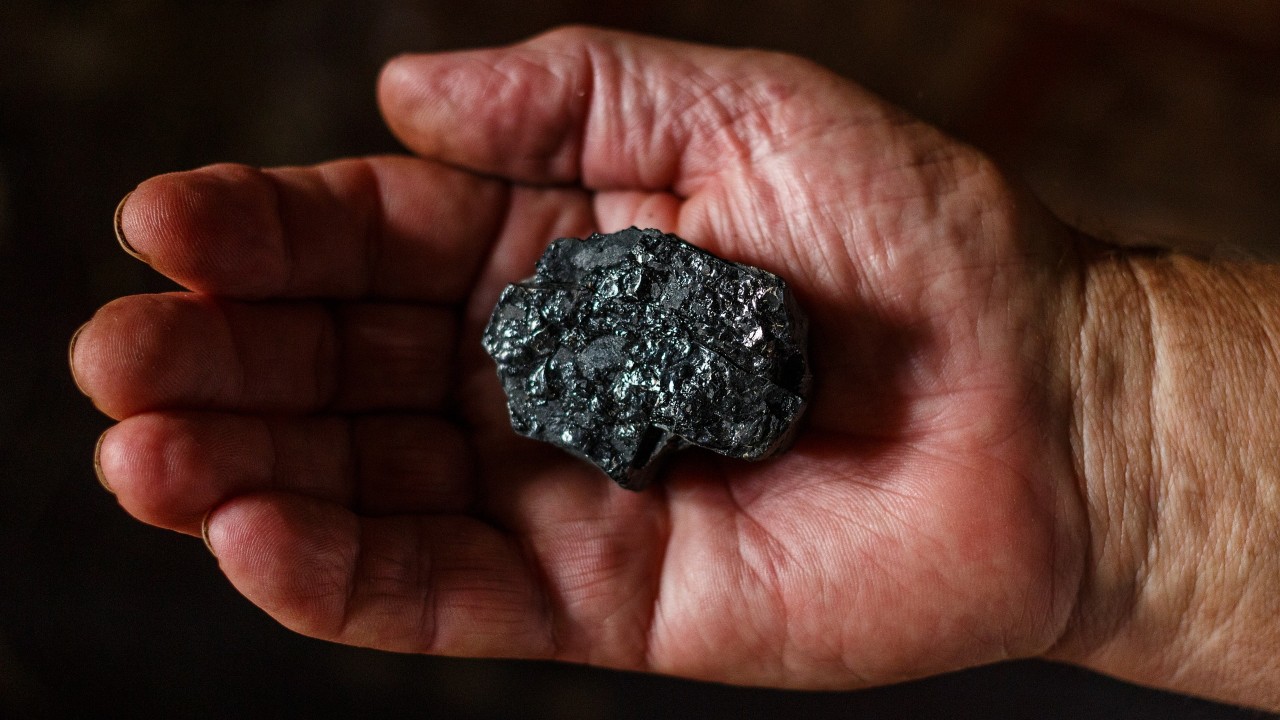
曝露評価には、一般的に赤外分光法(およびX線回折法)が用いられます。従来は、粉末状の試料を扱い、吸引可能なサンプラーで採取し、分析前に灰化する必要がありました。
しかし、近年、時間を節約するだけでなく、FT-IRを使用して鉱山の粉塵を分析する実用的で効果的なDoF法が開発されています。
大気・水試料から金属微粒子を捕集したフィルターのXRF分析
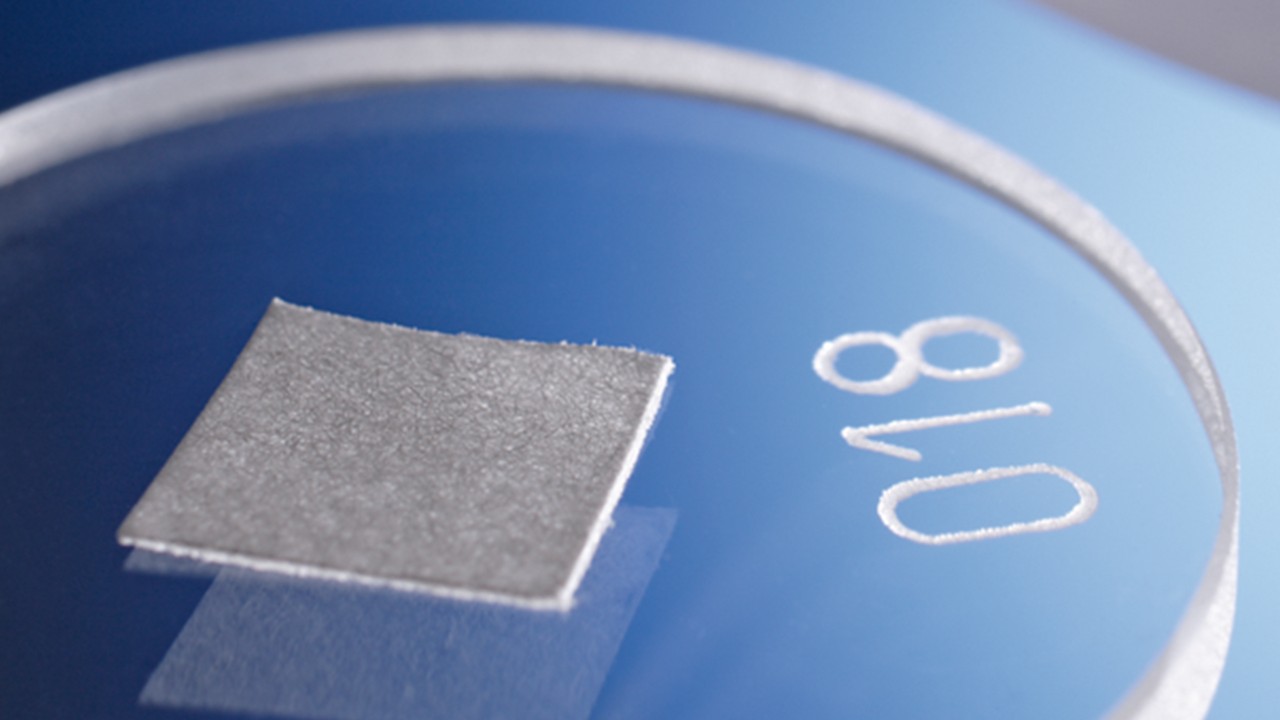
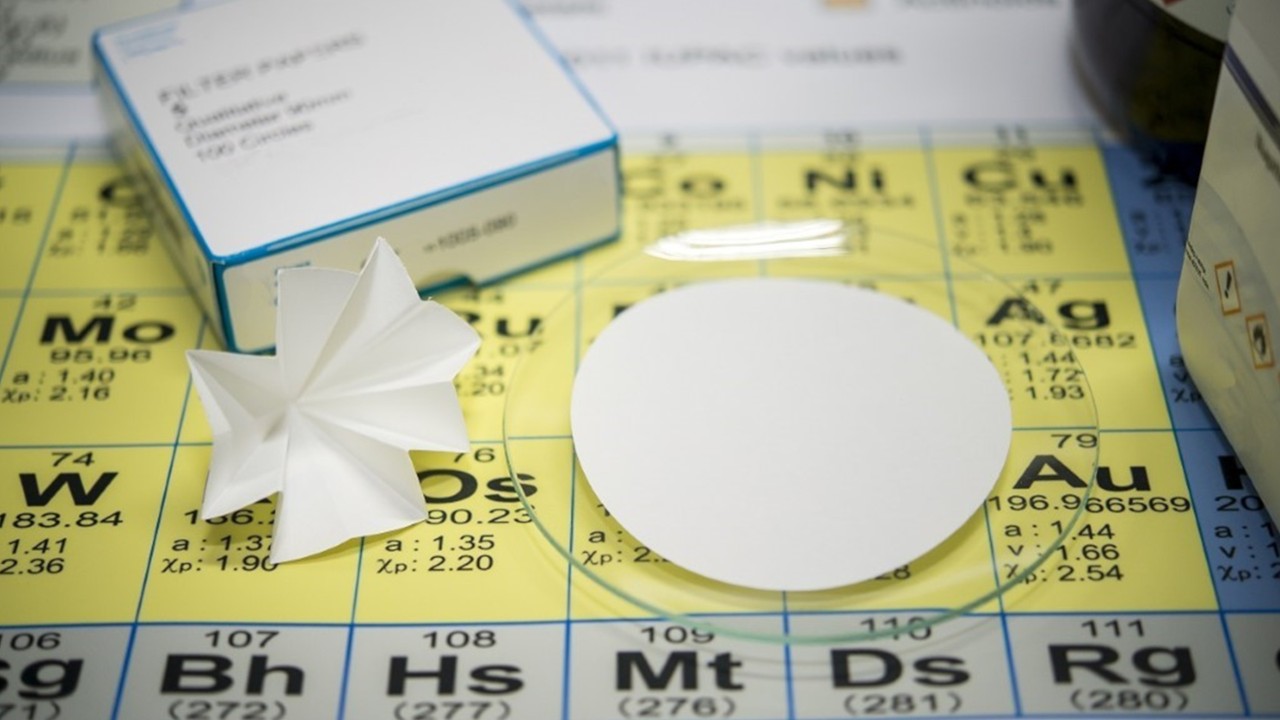
溶接、建設、採掘、製造、塗装除去などの工程で、作業者や周辺環境を保護するために大気中に浮遊する重金属やその他健康に悪影響を及ぼす可能性のある物質を監視する必要があります。同様に水中の金属粒子等も、人や動物、周辺環境を保護するために分析する必要があります。これらの浮遊物質はフィルター捕集によってサンプリングされます。
XRFは、環境評価のためにフィルター上に採取された重金属やその他の微量元素の元素分析を、高速かつ非破壊で行うことができます。ブルカーのXRF分析装置には、ラボでのハイスループット測定を目的としたED-XRFおよびWD-XRF、ポイント&シュートのハンドヘルドXRF、マイクロXRF、全反射XRF(TXRF)スペクトロメーターがあります。
XRDによるシリカ粉塵のモニタリング

土石、岩石、好物などを破砕したり研磨、切断した利する場合に発生する粉塵は、肺がんやその他の健康問題を誘発します。粉塵中に含まれる結晶質シリカは遊離けい酸とも呼ばれ、もっとも有害な成分として作業環境濃度の管理が定められています。
粉末X線回折(XRD)は、結晶質シリカの多形である石英、クリストバライト、トリジマイトを効率的に識別することができます。さらに、XRDは作業環境に存在する可能性のある他の結晶性鉱物の検出や存在寮費の導出などに応用できます。
ポータブル蛍光X線装置を用いた船舶燃料から発生する硫黄汚染物質のモニタリング

船舶による汚染の防止のための国際条約(MARPOL)違反燃料油の運送禁止が2020年3月1日に発効されました。 船舶用燃料に含まれる硫黄分を迅速かつ正確に測定し、バンカー燃料が排出規制地域やその他の制限された場所での規制に適合していることを確認します。この方法は、ASTM D4249の高濃度範囲(燃料中の硫黄分0.1~5.0%)およびISO 8754:2003に準拠しています。サプライヤー、エンジニア、船長、検査官は、サービスラボ、サプライステーション、ドック、港、そしてバージや船上でも、当社のポータブルXRF硫黄測定ソリューションをご利用いただけます。
ブルカーのCTXポータブルXRFシステムは、船上またはターミナルで燃料中の硫黄を信頼性が高く安価に検証することができます。