
하이페리온 II
FT-IR - QCL의 조합
분석 능력과 혁신
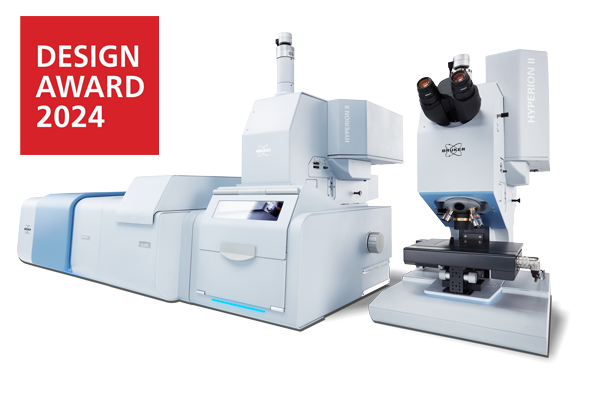
IR 현미경 및 이미징 연구 플랫폼
하이페리온 II의 새로운 내용:
적외선 레이저 이미징을 통합하는 방법:
당사의 특허 받은 공간 일관성 감소:
FT-IR 현미경은 QCL 적외선 레이저 이미징으로 강화되었습니다
HYPERION II는 적외선 현미경의 혁신입니다. 회절 한계까지 IR 이미징을 제공하고 ATR 현미경의 기준을 제시합니다. 하나의 장비에서 처음으로 FT-IR과 적외선 레이저 이미징(ILIM) 현미경을 결합하여 투과, 반사 및 ATR의 세 가지 측정 모드 모두를 제공합니다.
하이페리온 II 기능:
- μ-FT-IR용 검출기 선택:
넓은, 중간, 좁은 밴드 LN2-MCTs,
열전기 냉각 (TE) MCT. - 적외선 이미징을 위한 초점면 배열 검출기(Focal Plane array, 64 x 64 또는 128 x 128 픽셀).
- 레이저 적외선 이미징 모듈의 선택적 QCL 구현(ILIM, 레이저 클래스 1)
- 다양한 대물렌즈: 3.5x/15x/36x/74x IR, 20x ATR, 15x GIR, 4x/40x VIS.
- 스펙트럼 범위 확장 – 근적외선(NIR)에서 원적외선(FIR)까지
- 조리개 선택: 수동 칼 날, 자동 칼 날 조리개 휠. NIR 용 금속 조리개
- 액세서리 및 샘플 스테이지 옵션: 매크로 IR 이미징 액세서리, 냉각/열전도 스테이지, 샘플 컴파트먼트 등
- 시각/광학 도구 옵션: 암시야(Dark field) 조명, 형광 조명, VIS 편광기, IR 편광기 등
하이페리온 II는 다음을 제공합니다.
- 스펙트럼 및 시각적 이미지의 완벽한 일치. 모든 측정 모드(ATR 이미징 포함)에 적용됩니다.
- 고감도 FT-IR 현미경을 통한 제한된 회절 및 초점면 배열(FPA) 검출기를 사용하여 영상화합니다.
- (선택 사항) 적외선 레이저 이미징 모듈 (ILIM, 레이저 클래스 1)에 의한 최초의 FT-IR 및 QCL 기술 조합.
- 모든 측정 모드(ATR, 투과, 반사)의 적외선 레이저 이미징.
- 감도, 속도의 손실 없이 인공물이 없는 레이저이미징 측정을 위한 특허 받은 결맞음성(Coherence) 감소.
- 높은 이미징 속도:
초당 0.1mm 2(FPA, 전체 스펙트럼)
초당 6.4mm 2(ILIM, 단일 파수) - TE-MCT 검출기(옵션)로 액체 질소 없이 높은 공간 해상도와 감도로 IR 현미경 측정을 수행합니다.
- 방출(Emission) 스펙트럼 측정 기능 및 선택적 스펙트럼 범위 확장.
하이페리온 II 응용 프로그램:
- 생명 과학 | 세포 이미징
- 제약
- 방사성 연구(예: LED)
- 불량 및 근본 원인 분석
- 법의학
- 미세 플라스틱
- 산업 R&D
- 폴리머 및 플라스틱
- 표면 특성화
- 반도체
개척과 혁신을 위한 R&D 용 FT-IR 현미경
HYPERION II 처럼 사용자 기능을 구현하는 IR 현미경은 거의 없습니다 :
유연하고 정확하며 구성 가능하고 적응성이 뛰어나 항상 가능한 한계점에 도달합니다.
기기에 대한 완전 제어
무엇보다도, 기기에 대한 완전한 액세스 권한이 있어야 합니다. 실험, 샘플 및 매개변수에 대한 액세스, 이것이 HYPERION II 의 토대이자 가장 가치 있는 자산인 완전한 제어를 제공하는 것입니다.
단일 지점 모드에서 수행하는 FT-IR 측정, 서로 다른 디텍터 또는 렌즈로 매핑 또는 이미징, 특수 샘플 측정, ATR 또는 Grazing Angle Objective는 언제든지 결과에 영향을 미치고 더 나은 결과를 만들 수 있습니다.
이것이 LUMOS II IR 현미경과의 분명한 차이점입니다. LUMOS II 가 사용자로부터 지루한 실험 세부사항을 덜어주고 측정 프로세스를 자동화하는 반면, HYPERION II 는 사용자가 요구하는 것만 수행하는 정밀 도구로 남아있습니다.

과거사적 기념비
많은 사용자가 HYPERION II와 그것의 강점을 알고 그것의 전임자를 통해. 거의 20 년 동안 IR 현미경 검사 및 이미징의 혁신 힘이되었습니다. HYPERION을 뛰어난 FT-IR 현미경으로 만든 것들은 여전히 존재합니다 - 더 좋고, 빠르며, 개선되었습니다.
HYPERION II는 액체 질소 및 열전 냉각 MCT, 초점 평면 배역 영상 감지기, 시각화 및 적외선 강화 도구, 그리고 다양한 전용 부속품 등 일상 연구 루틴에서 필요로 하는 모든 기능을 갖추고 있습니다.
결국, 우리는 FT-IR 현미경 검사법과 이미징의 벤치마크를 다시 한 번 설정하고, 확립된 가치있는 방법을 유지하면서 새롭고 흥미로운 기술을 도입하여 혁신 리더로서의 이름에 부응하고 싶습니다.

적외선 레이저 이미징에 의한 FT-IR 증강 (QCL)
단일 기기에서의 QCL 및 FT-IR
처음으로, 사용자는 FT-IR 및 QCL 기술을 하나의 기기에 결합한 IR 현미경에 액세스할 수 있습니다. 이를 통해 우리는 생명 과학 및 재료 연구에 완전히 새로운 문을 열고 있습니다.
FT-IR 스펙트럼을 수집하고 QCL을 사용하여 조사하려는 파장을 선택하고 수 초 내에 멋진 화학적 이미지를 생성합니다.
FT-IR 과 적외선 레이저 이미징의 완전히 새로운 접근 방식을 통해, 우리는 마침내 사용자, 연구원 및 과학자에게 새로운 응용 프로그램을 개발할 수 있는 도구뿐만 아니라 확립되고 입증된 접근 방식을 개선할 수 있는 도구를 제공합니다.
뛰어난 성능을 갖춘 진정한 QCL 현미경
HYPERION II 는 최첨단 FT-IR 현미경으로, 완벽한 QCL 현미경을 제공합니다. 실제로, 우리는 디지털 후처리 없이 비할 데 없는 IR 레이저 이미징 성능을 구현하는 새로운 간섭 감소 기술을 개발하고 특허를 받았습니다.
예: 기존 FT-IR 에서 공간결맞음성(Spatial Coherence)은 역할을 하지 않습니다. 그러나 QCL을 사용한 IR 현미경 측정에서는 공간 간섭 현상이 불가피하게 발생합니다. IR 이미지 및 스펙트럼의 이러한 줄무늬와 반점은 일반적으로 화학적 이미징에 유해한 것으로 간주됩니다 (참조; DOI: 10.1002/jbio.201800015).
실제로, 산란된 광자의 위상 관계를 설명하는 물리적 정보와 샘플의 화학적 정보를 분리하는 것은 쉬운 일이 아닙니다. HYPERION II 는 이 문제를 실용적으로 접근하여 스마트 하드웨어 설계로 해결하며 화학 이미징 데이터를 얻을 수 있습니다.
FT-IR 및 QCL 분광검사 비교
이 기술을 비교하면, 두 가지 모두 동일한 작업을 동등하게 잘 수행할 수 있음을 의미합니다. FT-IR 및 적외선 레이저 이미징은 뚜렷한 장점을 가지고 있으며 두 가지 모두의 실용적인 조합으로 최상의 결과를 얻을 수 있습니다.
우리는 대부분의 과학자와 연구원이 FT-IR의 보편성을 놓치고 싶지 않다는 것을 알고 있습니다. 그들은 참조나 근거 없이 하나의 최첨단 기술에 국한되는 것을 좋아하지 않습니다. 다행히도 HYPERION II 는 뛰어난 FT-IR 이미징 현미경과 야시찬 QCL 현미경을 모두 고려해볼 수 있습니다.
우리는 이 이중성을 해결했으며 QCL 기술이 동일한 신호 대 잡음에서 훨씬 더 빠르게 데이터를 기록하지만 이는 여전히 작은 범위의 MIR 로 제한됩니다. 다시 말하지만, 우리는 HYPERION II 의 개념에 충실합니다. 선택하십시오. 여러분은 모든것을 제어 할 수 있습니다.


IR 현미경 응용분야 (FPA, MCT, QCL)
생물학적 조직 분석

재료 과학

법의학
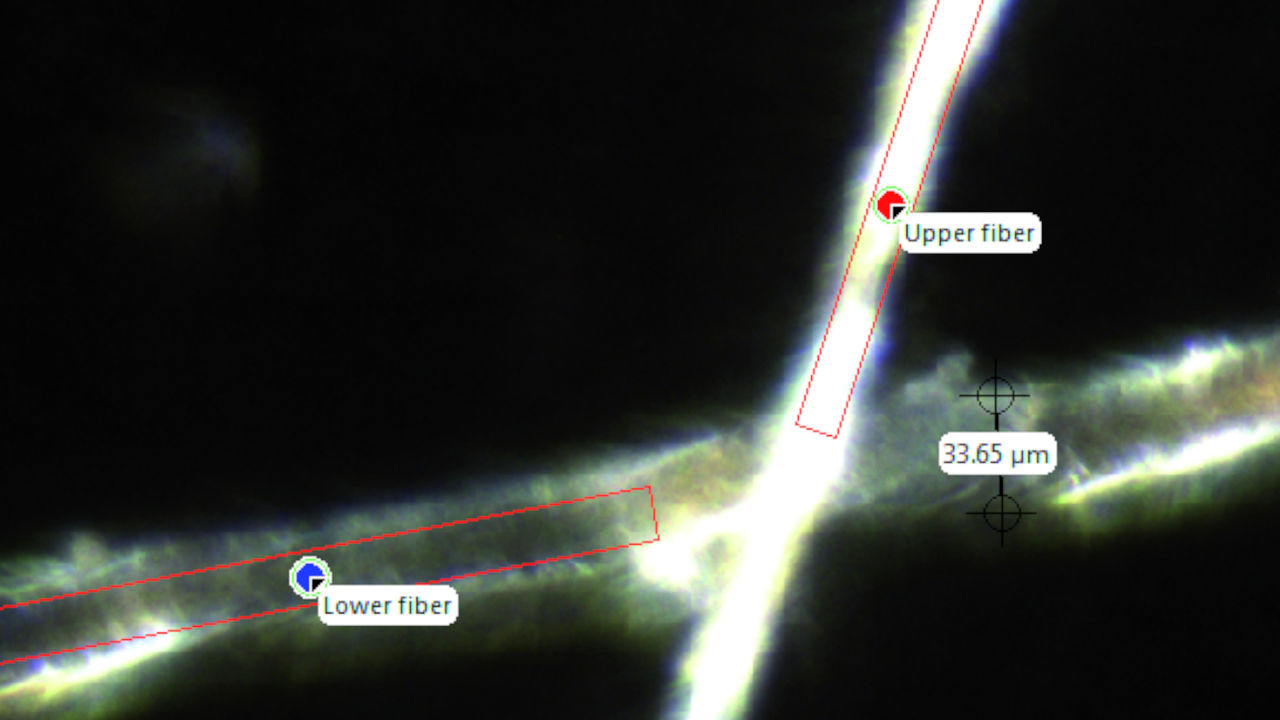
약물 개발

지질학 및 광물학

미세 플라스틱 분석

Energy Materials / Photonic Crystals
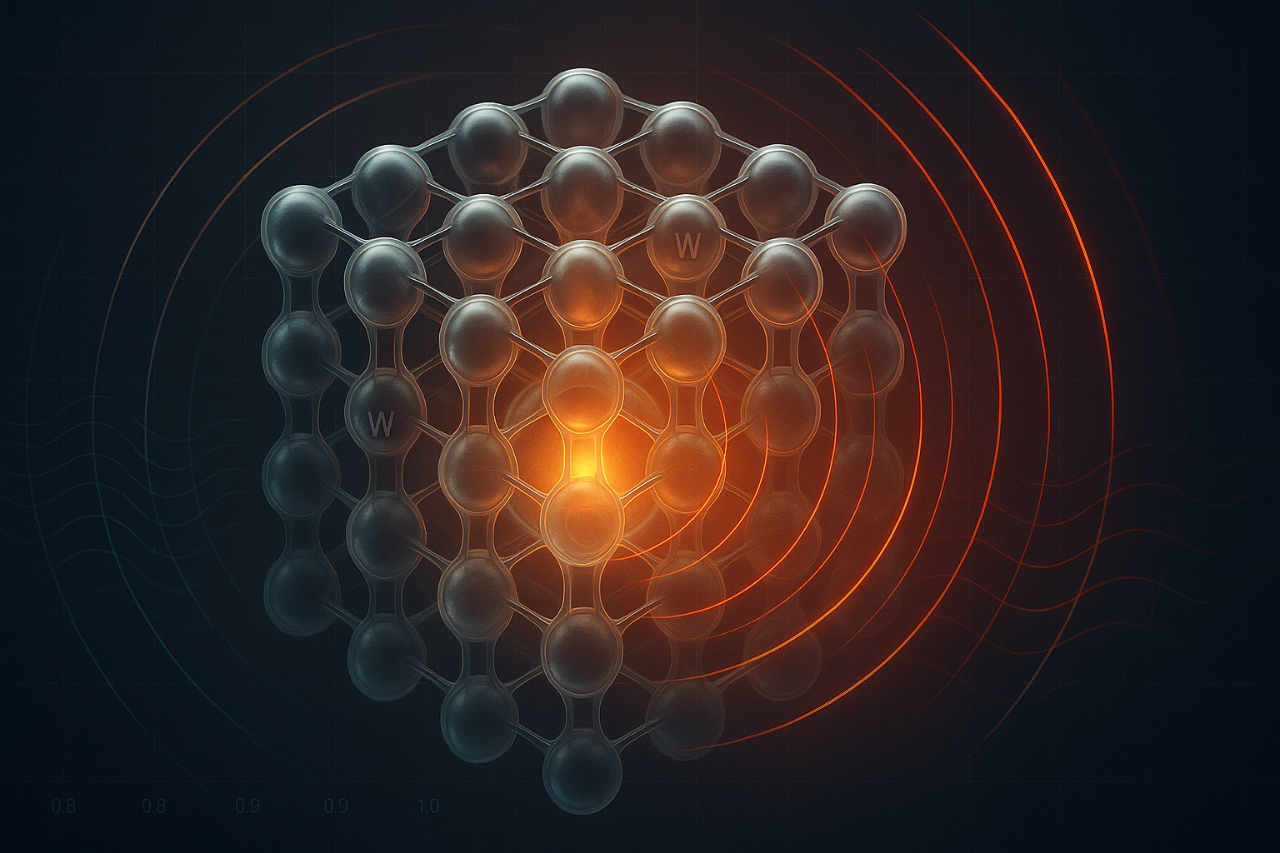
In the study by Arpin et al. (2013), 3D self-assembled tungsten photonic crystals retain their structure up to ~1,400 °C, while exhibiting tailored IR reflectance/emissivity spectra that show enhanced useful thermal emission and suppressed undesired IR emission.
The role of HYPERION: researchers used reflectance IR to infer spectral emissivity via Kirchhoff’s law and applied reflectance analysis to directly link to emissivity control of tungsten photonic crystals.
Nanophotonics / Bioanalytics
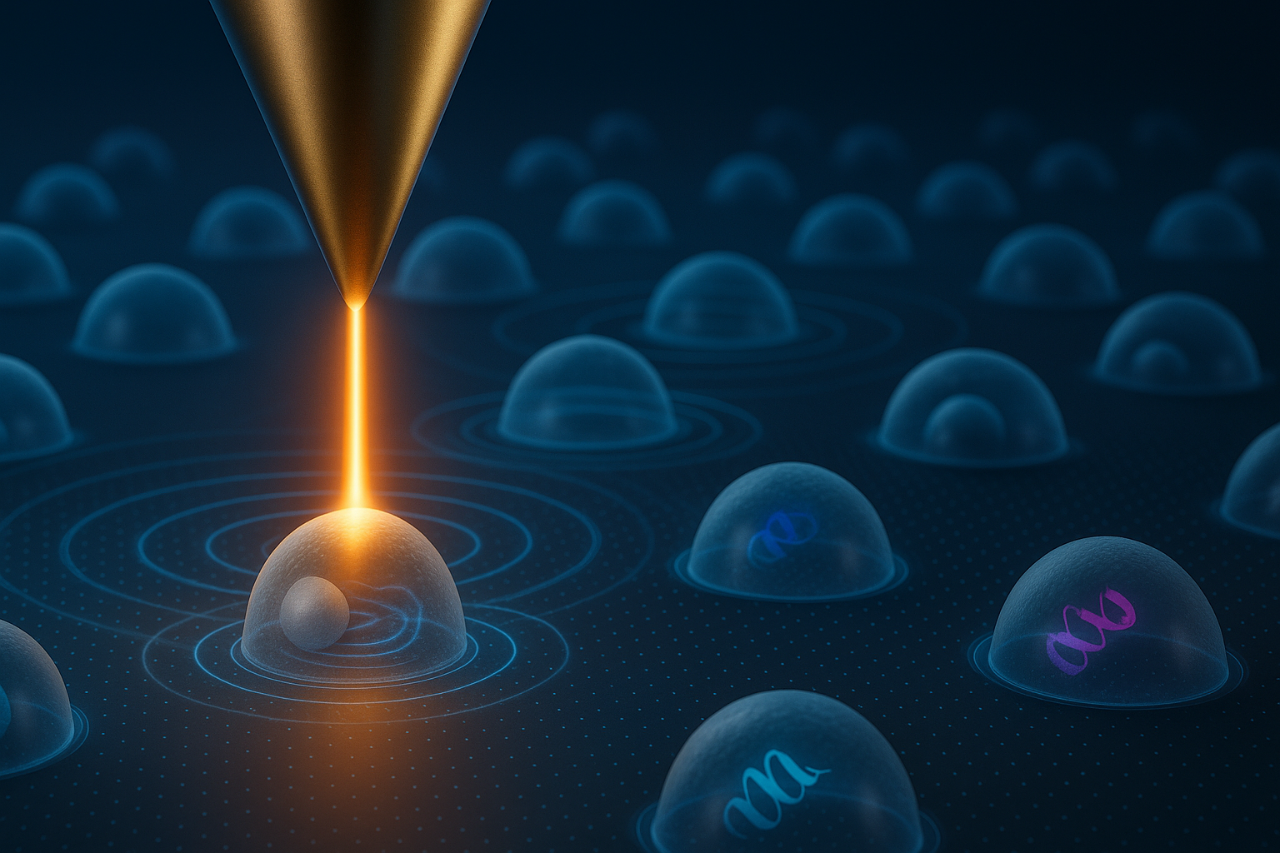
Amenabar et al. (2013) demonstrated infrared nanospectroscopy (nano-FT-IR) mapping of individual protein complexes (e.g. ferritin, insulin fibrils) with ~30 nm lateral resolution, interpreting local broadband spectra in the amide I/II region to deduce secondary structure at the nanoscale.
The role of HYPERION: FT-IR spectra were acquired as reference spectra and to compare peak positions and band shapes with the nano-FT-IR data, thereby supporting assignments of local secondary-structure resonances.
Plastmonics / Supercrystals

Mueller et al. synthesized three-dimensional, self-assembled gold nanoparticle “supercrystals” and demonstrated that plasmon polaritons in these crystals induce strong near-field enhancement across visible to mid-IR bands, enabling both SERS and SEIRAS of ligand molecules.
The role of HYPERION: IR reflectance and transmittance spectra on plasmonic supercrystal films where collected demonstrating coupling between plasmonic modes and molecular vibrations and quantifying SEIRAS enhancement.
On-Chip-Screening / Biomedical
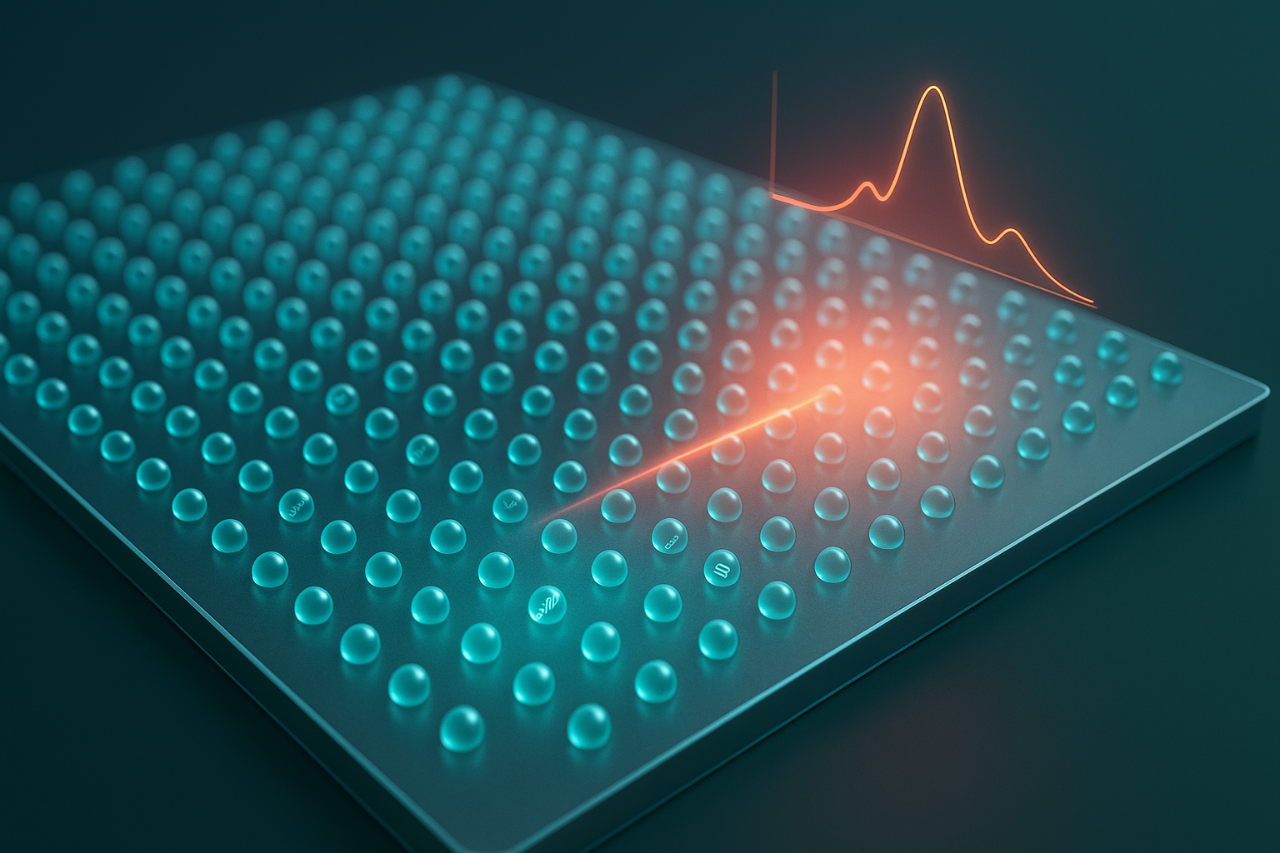
In Benz et al. (2020) a dendrimer-based, patterned indium-tin-oxide (ITO) slide was used to generate >50,000 nanodroplet vessels per plate, enabling on‐chip chemical synthesis and ultra-sensitive MALDI-TOF MS, UV–Vis reaction monitoring (RM) and on-chip IR spectroscopy for RM and characterization in high-throughput drug discovery.
The role of HYPERION: IR spectra from the droplet array spots provided molecular vibrational absorption signatures to complement MS and UV-Vis data, thus supporting high-throughput characterization of the synthesized library.
Plasmonics / Metamaterials
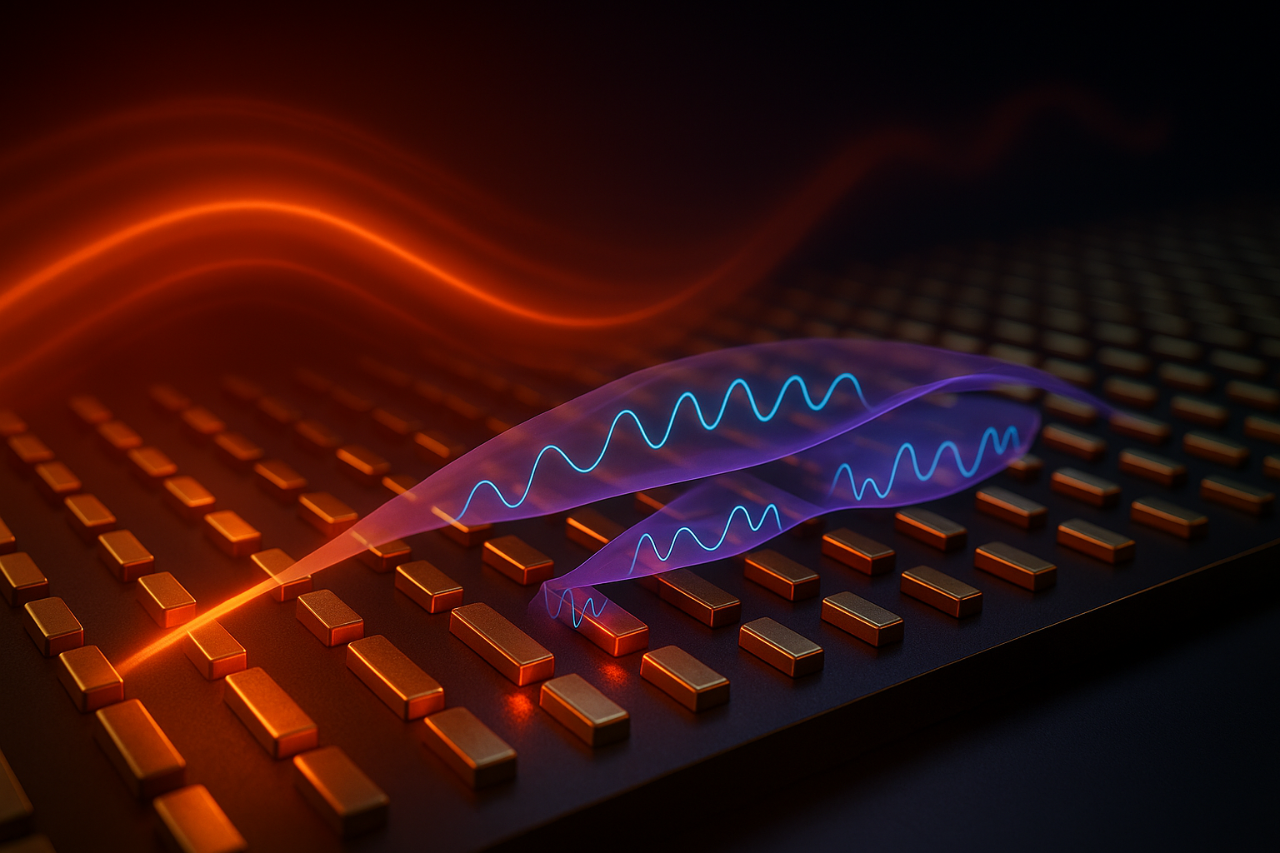
Paggi et al. (2023) demonstrate an over-coupled metasurface resonator that enhances molecular vibrational absorption across the mid-IR range (5–10 μm) by coupling weak plasmonic modes to molecular vibrations, achieving reflectivity variations up to 1% per nanometer of molecular layer thickness.
The role of HYPERION: IR spectra in the mid-IR allowed to assess the influence of the metasurface resonator on vibrational modes, shed light onto the broadband SEIRA mechanism and supported the design of detection platforms.
Polariscopy / Nanomaterials
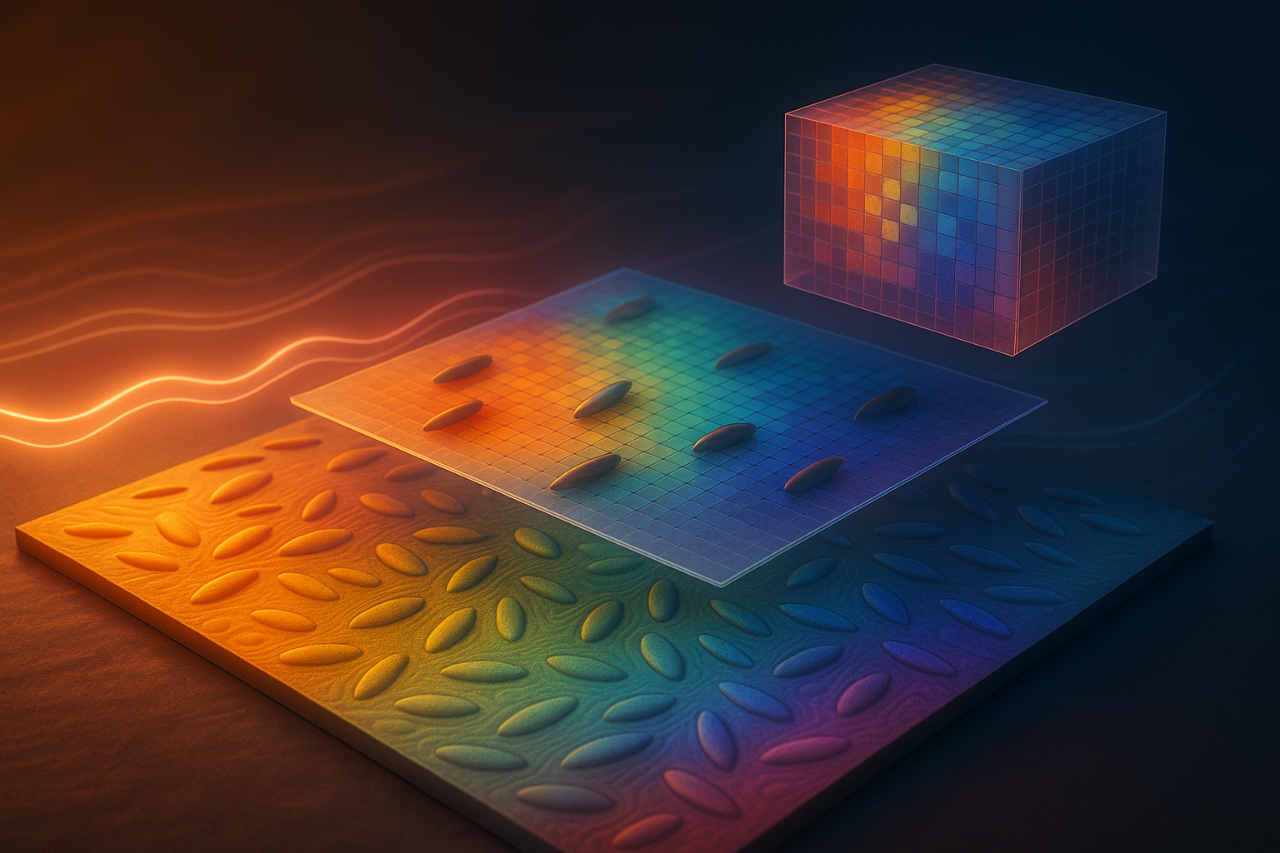
Honda et al. (2019) demonstrated infrared (IR) polariscopy using hyperspectral imaging with a focal plane array (FPA) detector in the IR spectral region under illumination by thermal and synchrotron light sources. They show that the time required for polariscopy at IR wavelengths can be substantially reduced by the FPA-FTIR imaging.
The role of HYPERION: Both the offline FPA-FT-IR experiments and the synchrotron based hyperspectral imaging were performed on the Hyperion enabling the analysis of the targeted sub-wavelength features via polariscopy.
Energy Materials / Metamaterials

Dyachenko et al. report the design and fabrication of a refractory multilayer metamaterial composed of tungsten and hafnium dioxide that exhibits an optical topological transition between epsilon-near-zero and hyperbolic dispersion. This transition allows control over the material’s thermal emission properties at high temperatures, enabling selective tuning of emissivity.
The role of HYPERION: Reflectance spectra were collected in the NIR region to determine the spectral position and strength of optical resonances in the multilayer structure.
Optics / IR Imaging
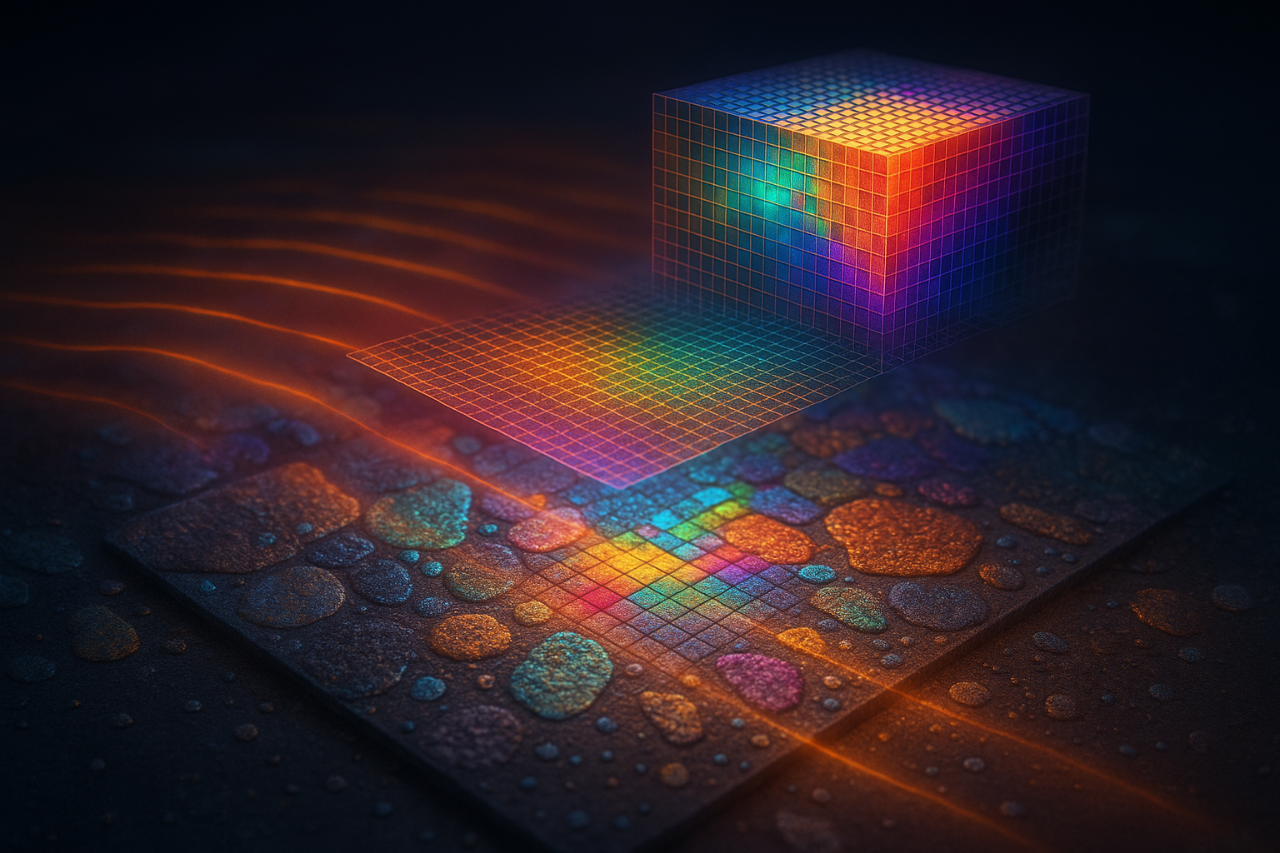
Stavitski et al. (2013) achieved diffraction-limited spatial resolution by coupling synchrotron infrared (IR) beamlines to focal plane array detectors (FPA), enabling full-field imaging with high chemical sensitivity and rapid acquisition times. Using this approach, they successfully map chemical composition in heterogeneous samples with spatial resolution down to approximately 5 µm.
The role of HYPERION: Equipped with an FPA detector, the HYPERION served as the imaging platform coupled to the synchrotron which was used for the chemical and compositional analysis.
Catalysis / Energy Materials

Cao et al. report using operando synchrotron radiation FT-IR (SR-FT-IR) under working potentials to detect a reversible vibrational absorption band at ~764 cm⁻¹ of an atomically dispersed Ru₁–N₄ catalyst, which they attribute to the adsorption/desorption of an oxygen intermediate (O*), thereby revealing the dynamic involvement of O species at the Ru site during catalysis.
The role of HYPERION: An operando SR-FT-IR setup was used to spatially and spectroscopically interrogate the catalyst under bias, capturing the vibrational signature of O* on the Ru site and supporting direct linkage between intermediate adsorption and catalytic function.
Catalysis / Energy Materials
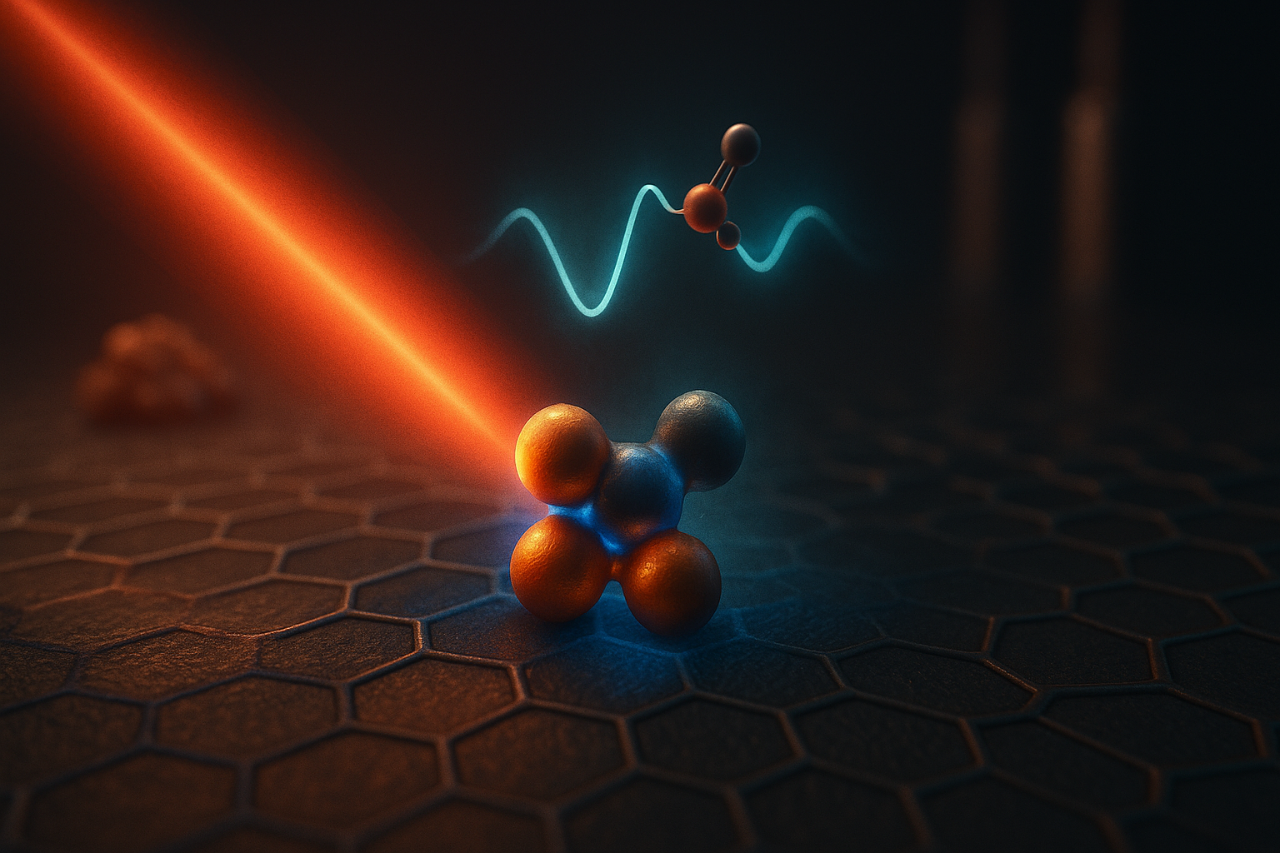
In Su et al., the authors design CuO clusters supported on N-doped carbon and show that under applied potential the clusters dynamically reconstruct into Cu₂–CuN₃ species with charge asymmetry, which correlate with high Faradaic efficiency toward C₂⁺ products (notably ethanol). They combine operando XAS, quasi-in situ XPS, and operando FT-IR (with DFT support) to trace structural, electronic, and adsorbate changes in real time.
The role of HYPERION: As part of their operando FTIR setup, it was used to focus the synchrotron-based IR beam into the reaction cell and collect reflectance spectra under applied potentials. These measurements enable tracking of molecular vibrational features and charge-asymmetry signatures linked to the Cu₂–CuN₃ clusters and thus substantiate the structure–activity correlations under working conditions.
IR 샘플링 액세서리 및 대물렌즈
유효성 검사 스테이지

마이크로바이스 샘플 홀더

ATR 매크로 이미징 액세서리

필터 홀더

온도조절 스테이지

3.5x 이미징 대물 렌즈

표준 투과 대물렌즈

ATR 대물렌즈

Grazing angle 대물렌즈

다이아몬드 압축 셀

OPUS Release 9.0 Highlights for HYPERION II | Q1 2025
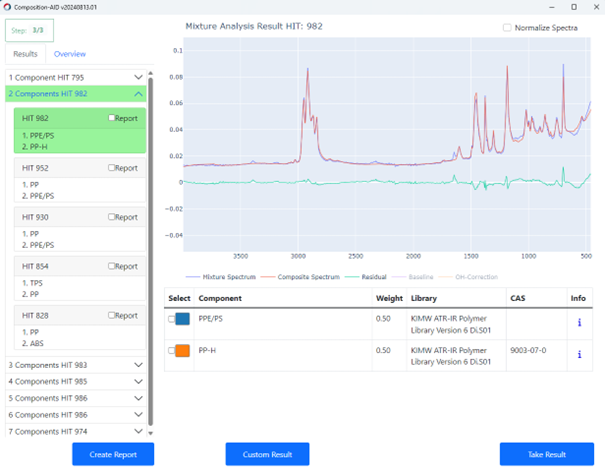
New Feature: The Autonomous Composition Identifier (A.I.D.) simplifies search and identification.
The Autonomous Composition Identifier (A.I.D.) is an AI-driven software tool for identifying the chemical composition of samples based on IR or Raman spectral data. It incorporates the previous O/SEARCH features and adds a multi-step algorithm to find the best match from reference spectral databases, whether dealing with pure substances or complex mixtures. A.I.D. intelligently evaluates and recommends optimal matches with a balance of reliability and sensitivity—automatically generating diagnostics and visual reports, including residual spectra and hit quality graphs. It delivers high-performance results in seconds and supports in-depth, interactive analysis of alternative identifications.
New Feature: Co-local Measurement – Unified Analysis Across IR and Raman
The Co-local Measurement function, part of the OPUS/OBJECT package, enables seamless analysis of the same region of interest on microscopic samples using both IR and Raman microscopy. It allows the transfer of overview images and measurement areas between LUMOS II, HYPERION II, and SENTERRA II instruments. This ensures that IR and Raman data are collected from precisely the same spot, enabling complementary chemical insights. Co-local Measurement bridges the gap between two techniques, improving data correlation and boosting confidence in results for heterogeneous or complex samples.

Updated Feature: OPUS/OBJECT now combines "Find Particle" and "Cluster ID"
The Particle Identification function (part of the OPUS/OBJECT package) combines the power of “Find Particles” and “Cluster ID” into one streamlined workflow. It detects particles within IR and Raman chemical images, determines their dimensions, and identifies their chemical makeup—all in one go. This integrated approach simplifies analysis and accelerates decision-making for complex samples.

OPUS Release 8.7 | HYPERION II | Q3 2021
새로워진 기능: 새로운 적응형 K-평균 클러스터링 기능을 통한 고성능 화학 이미지 생성
이 새로운 기능은 잘 알려진 클러스터 분석 기능의 논리적인 다음 개발 단계로, 적응형 K-평균 클러스터링 기능은 새로운 알고리즘을 기반으로 하여 이미징 또는 매핑 결과 내에서 스펙트럼 분산을 스스로 자율적으로 결정할 수 있게 해줍니다.
- 알고리즘이 포함된 모든 화학물질을 자체적으로 예측할 수 있으므로 포함된 화학물질의 양을 예측하거나 시간을 들여 검색할 필요가 없어졌습니다.
- 이 주요 기능은 모든 종류의 화학 이미징과 대규모 데이터 세트 내의 미지의 샘플 또는 작은 구조의 분포 분석에 중요합니다.
- 분석과 평가가 최대한 쉬워지고 귀중한 시간과 수고를 아낄 수 있습니다.
새로워진 기능: “3D 스펙트럼 데이터에서 클래스 식별을 위한 ‘클러스터 ID’ 기능
새로운 클러스터 ID 기능을 사용하면 라이브러리에서 스펙트럼 검색, 빠른 비교 또는 식별 테스트와 같은 OPUS 기능을 사용하여 이미징 및 매핑 데이터 내에서 클러스터를 식별할 수 있습니다.
- 입자, 라미네이트의 층, 제약 정제의 성분 및 기타 불균일 물질에 대한 분류된 시료 성분의 화학적 특성을 쉽게 측정할 수 있습니다.
- 분석된 모든 구조물의 수량, 크기, 정체성에 대한 신뢰할 수 있는 종합 통계 보고서가 제공되며 입자 및 기술적 무결성 분석을 새롭고 자동화된 수준으로 끌어올립니다.
새로워진 기능: “이제 ‘파티클 찾기’ 기능에 새로운 파티클 감지 방법이 추가되었습니다.
이제 입증된 “입자 찾기” 소프트웨어를 시각 이미지와 적외선 이미지 모두에 적용할 수 있습니다. 이 업데이트된 기능을 사용하면 LUMOS II로 측정한 화학 이미지를 기반으로 입자 검출을 수행할 수 있습니다.
- 저 대비 구조와 회백색 필터 막 상의 회백색/투명 입자/섬유에 대한 입자 인식은 번거로운 작업이지만, 화학적 IR 이미지를 기반으로 한 사후 입자 결정을 통해 이미징 또는 매핑 결과에서 입자의 양과 크기를 파악할 수 있습니다.


문학실
관련 문헌을 다운로드하여 FT-IR 현미경 및 솔루션에 대해 자세히 알아보십시오.