
QUANTAX FlatQUAD
압도적인 처리량
전자빔에 민감한 샘플 분석

QUANTAX FlatQUAD로 기존 EDS의 한계를 극복해 보십시오.
QUANTAX FlatQUAD는 혁신적인 XFlash FlatQUAD 2L 검출기를 사용하는 첨단 EDS 미세분석 시스템으로, 이 검출기의 독창적인 설계는 수집 효율을 극대화하여 까다로운 시료에서도 타의 추종을 불허하는 매핑 성능을 제공합니다.
QUANTAX FlatQUAD에는 검출기, 전자 장치 및 브루커(Bruker)의 포괄적인 ESPRIT 소프트웨어 플랫폼을 포함하여 첨단 에너지 분산형 X선 분광법(EDS)을 수행하는 데 필요한 모든 것이 포함되어 있습니다.
EDS의 가능성을 넓혀주는 독창적인 기하학적 구조
업계 최고 수준의 처리량을 자랑하는 EDS 분석
- 초고효율 X선 수집: 업계 최고 수준의 1.1 sr 이상의 solid angle.
- 4,000,000 cps의 출력 카운트 레이트로 매우 빠른 분석.
- 시중의 다른 대면적 검출기보다 10배 이상 빠릅니다.
초고해상도 매핑
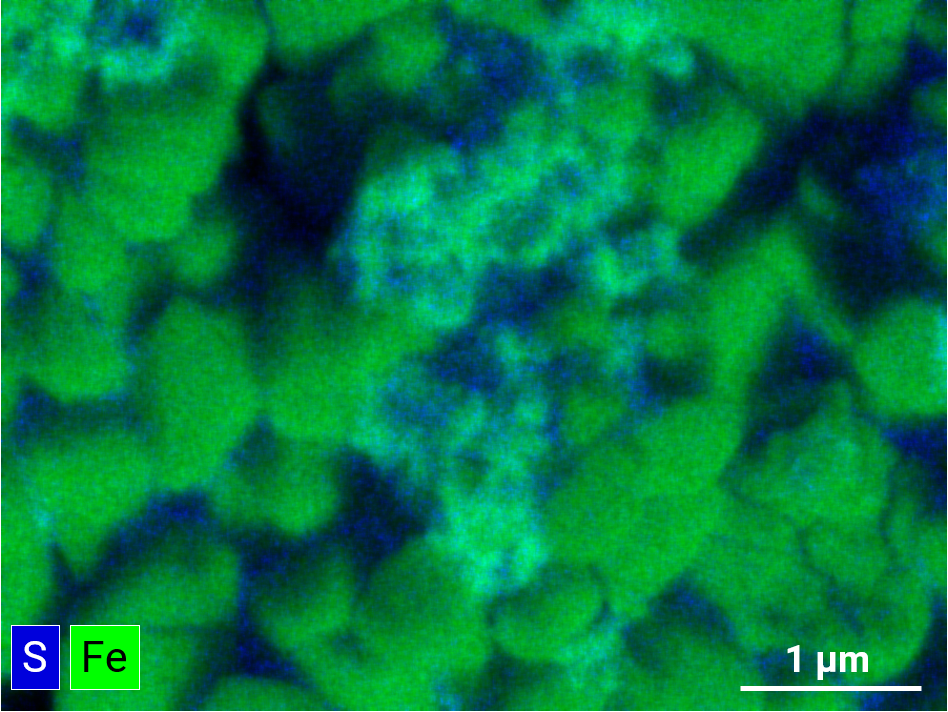
- 나노 스케일 원소 매핑을 위한 높은 수집 효율.
- 환형 검출기 설계로 SE/BSE 병렬 이미징이 가능합니다.
- 단일 검출기로 정량 및 정성 분석이 가능합니다.
분석이 까다로운 시료의 원소 분석
- 낮은 가속전압 또는 저진공 모드에서 민감하거나 절연성 시료를 분석할 수 있습니다.
- 높은 Take-off angle로 표면의 요철 변화가 심한 시료의 Shadowing 효과를 최소화합니다.

에너지 분산 분광법을 한 차원 더 높이다
QUANTAX FlatQUAD에 사용되는 XFlash FlatQUAD 2L EDS 검출기의 독창적인 설계는 기존 SEM EDS 시스템의 한계를 뛰어넘는 성능을 제공합니다.
QUANTAX FlatQUAD를 사용하면 기존 시스템으로는 분석하기 어려웠던 다양한 시료를 빠르고 쉽게 분석할 수 있습니다.
EDS 및 BSE 이미징의 동시 상관 분석
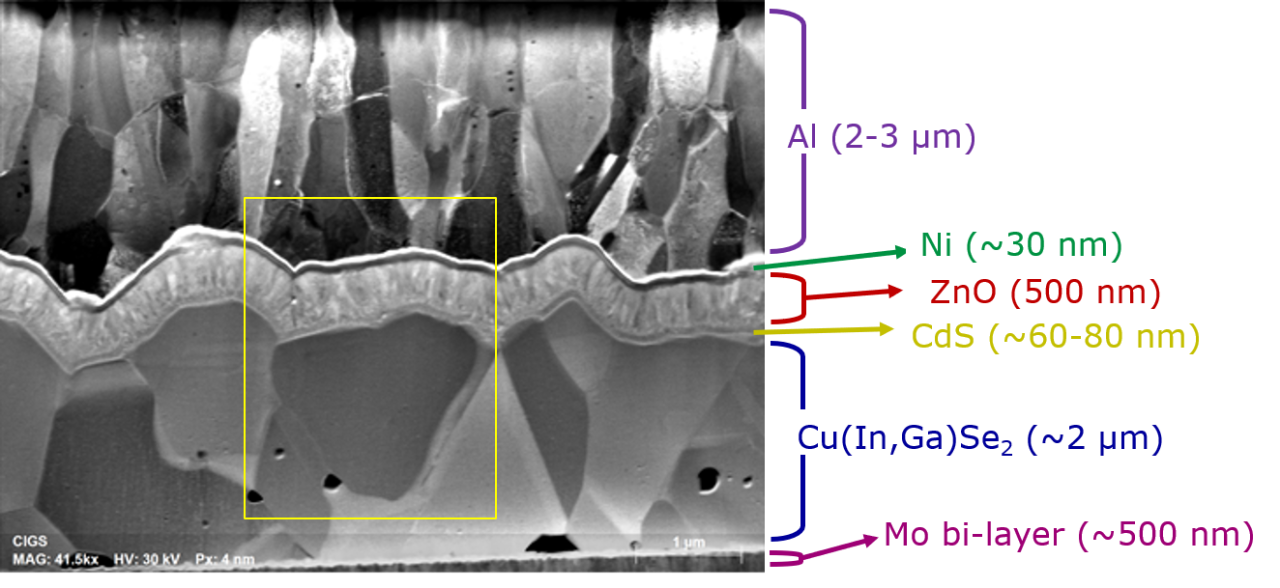
XFlash®FlatQUAD 2L 검출기의 중앙 홀은 전자 현미경의 BSE 검출기로 후방 산란 전자가 방해받지 않고 통과될 수 있을 만큼 충분히 커서, 정확히 동일한 빔 상호작용 부피에서 원소 조성(EDS)과 조성 콘트라스트(BSE)를 직접 연관시킬 수 있습니다.
EDS 및 BSE 이미징을 동시에 수행함으로써 재료 특성 분석 속도를 높이고 완벽하게 정합된 다중 모드 데이터 세트를 제공하며, 동시에 민감한 시료에 가해지는 전자 선량을 최소화합니다. 이러한 통합 접근 방식은 반도체 및 FIB Lamellae, 배터리 소재, 나노입자, 생명과학 시료와 같이 원소 분포, 계면, 오염, 코팅, 결함 및 열화 과정을 신속하게 분석해야 하는 응용 분야에 특히 유용합니다.


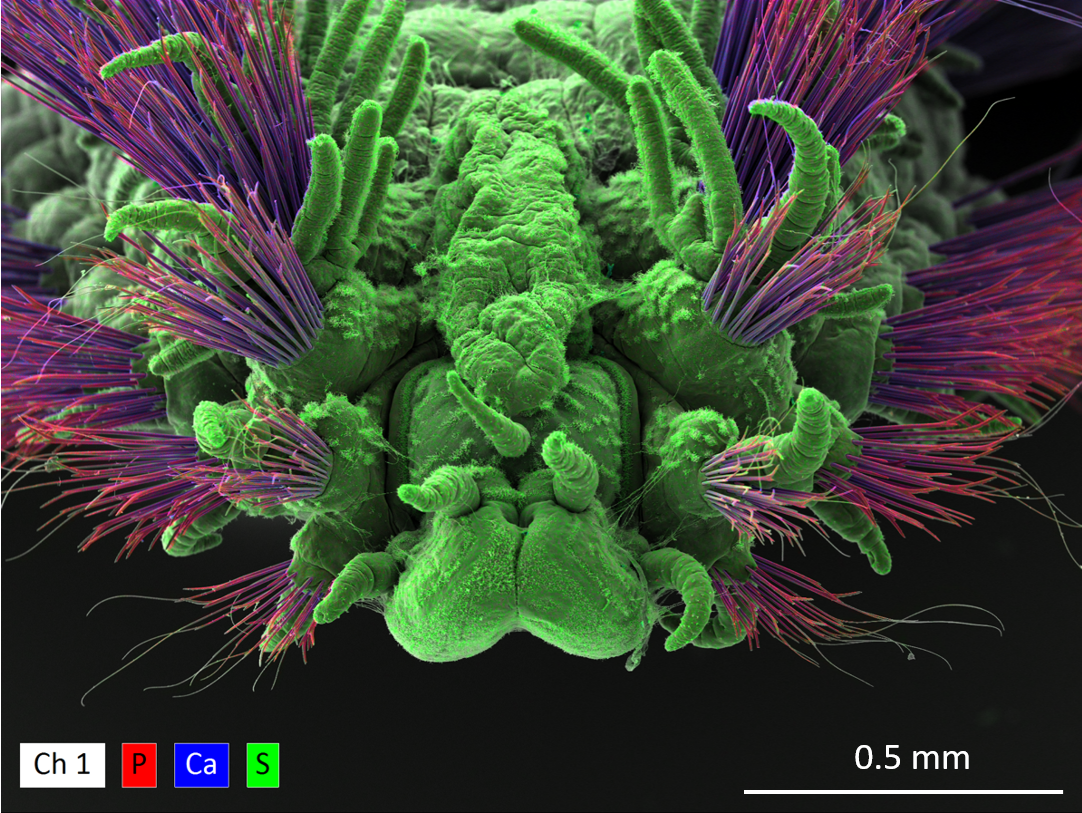
전자 빔에 민감한 시료의 원소 매핑
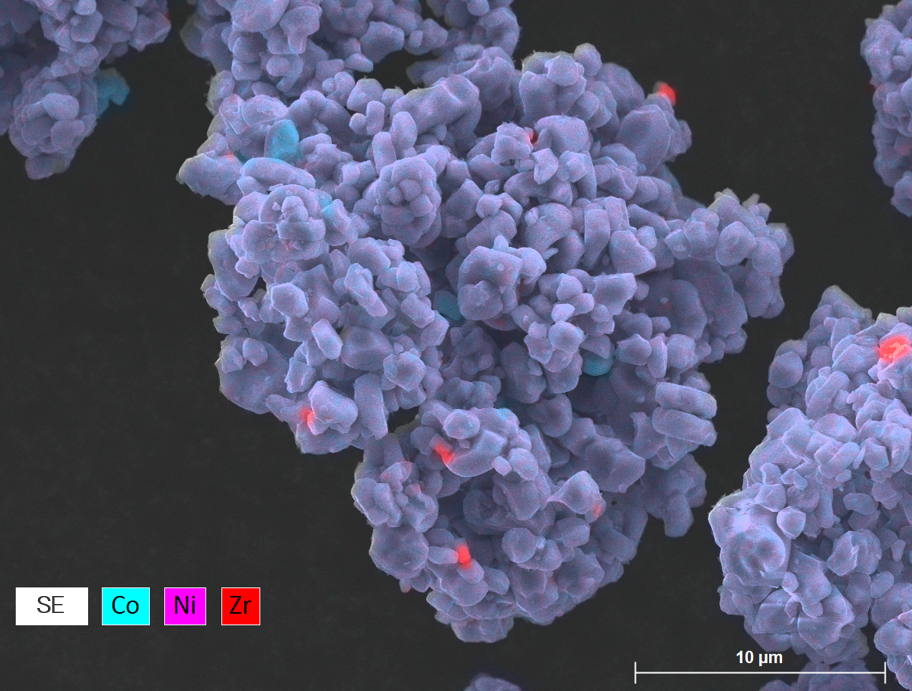
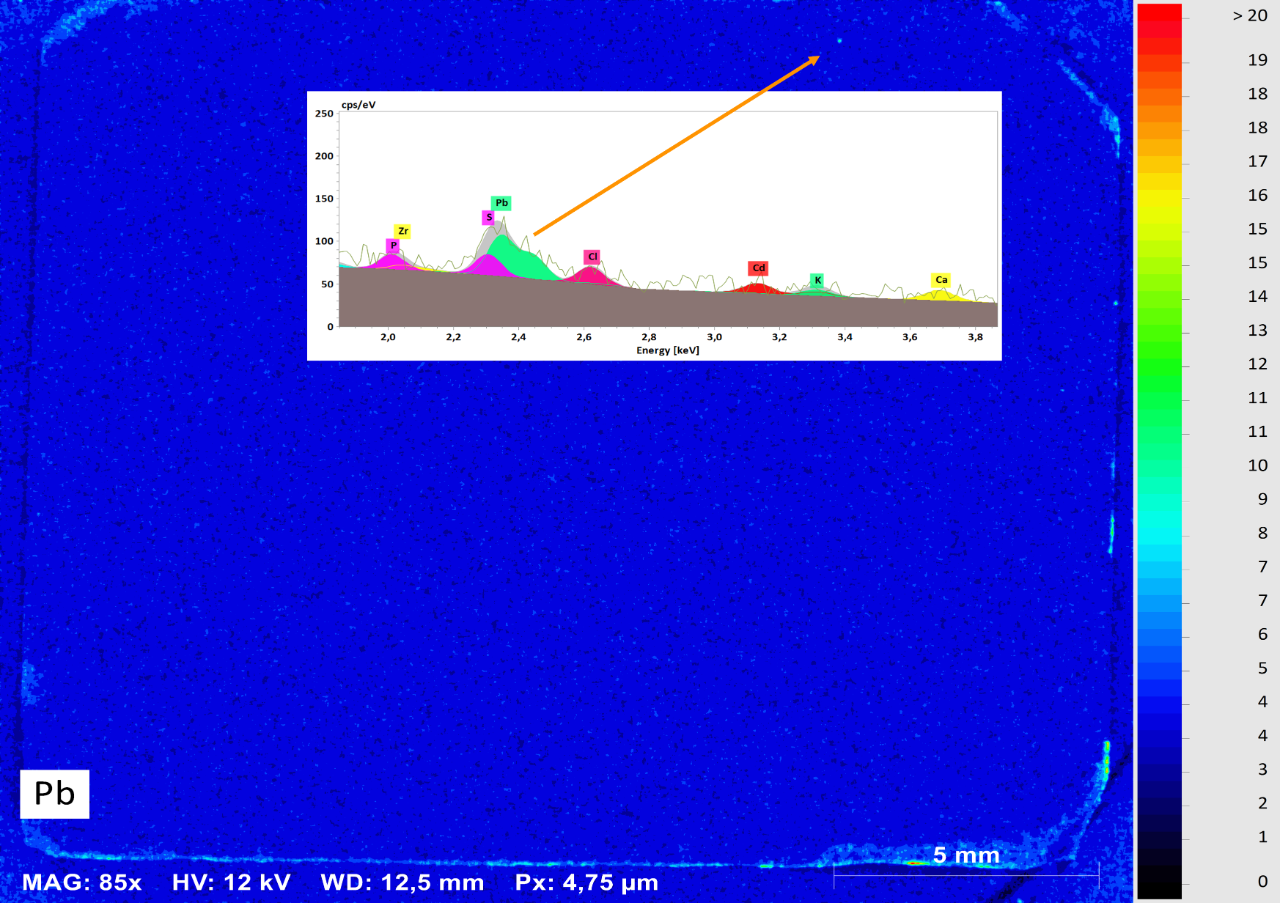
생물학적 시료나 반도체 시료와 같은 민감한 시료의 원소 매핑은 종종 불가능합니다. XFlash®FlatQUAD 검출기는 이러한 한계를 손쉽게 극복합니다.
XFlash®FlatQUAD의 높은 수집 효율 덕분에, 기존 EDS 검출기를 사용할 때 나타나는 품질 저하 없이 낮은 빔 전류 및 전압 조건에서도 원소 매핑을 수행할 수 있습니다. 이러한 조건은 하이퍼스펙트럼 이미징 중 시료 손상을 방지하기 위해 필요합니다. 또한, FlatQUAD를 이용한 원소 매핑은 시료 전처리 필요성을 최소화하며, 대부분의 경우 시료 전처리가 전혀 필요하지 않습니다.

압도적인 처리량으로 구현되는 초고속 EDS 분석
독창적인 설계 덕분에 XFlash®FlatQUAD 검출기는 업계 최고 수준인 최대 3,200,000 cps의 출력 계수율(OCR)에 도달할 수 있어, 단일 EDS 검출기를 사용한 EDS 측정 중 가장 빠른 속도를 제공합니다. 이 타의 추종을 불허하는 분석 속도는 검출기의 최적화된 기하학적 구조와 고리형 설계로 인해 최대의 Solid angle을 확보하고, 초고속 병렬 신호 처리를 병행한 결과입니다.
QUANTAX FlatQUAD를 사용하면 기존 검출기를 사용할 때 몇 시간이 걸리던 원소 측정을 몇 초 만에 수행할 수 있어, 연구자들은 더 짧은 시간 내에 더 많은 시료를 분석할 수 있습니다. XFlash®FlatQUAD 검출기의 높은 수집 효율 덕분에, 빔에 민감한 시료 분석에 필요한 낮은 전류 및 가속 전압과 같은 낮은 전자 빔 조건에서도 빠른 원소 매핑이 가능합니다.

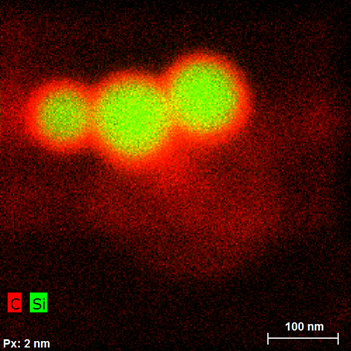
SEM 내 초고해상도 EDS
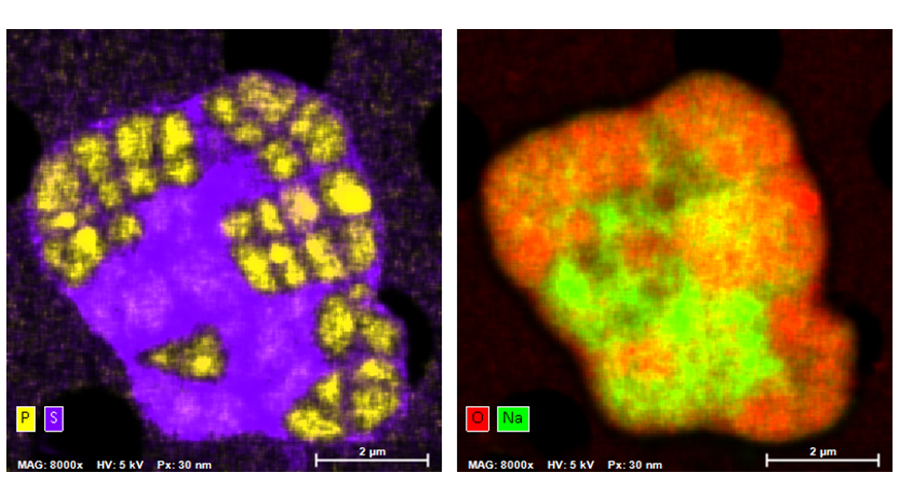
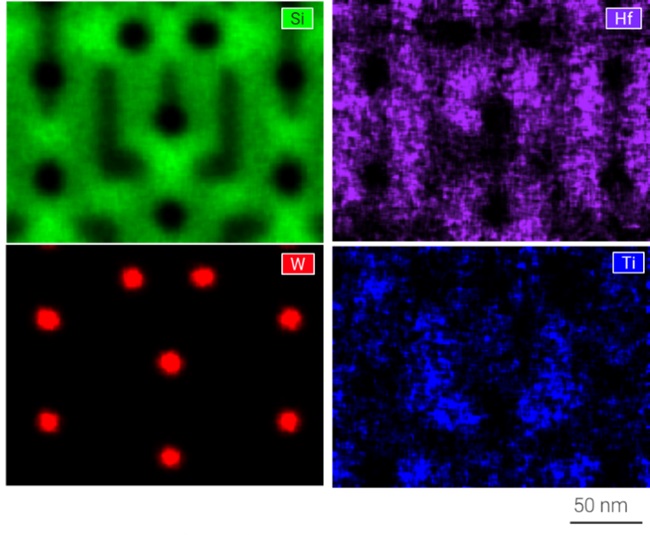
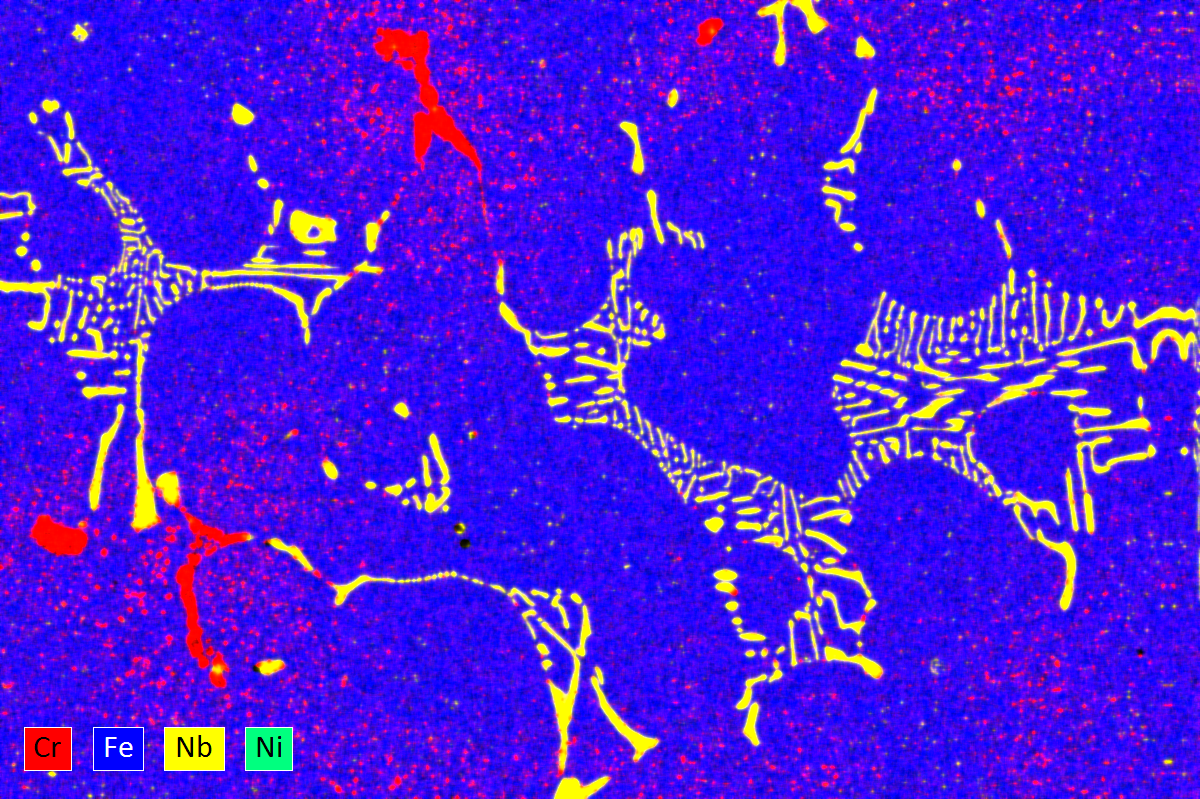
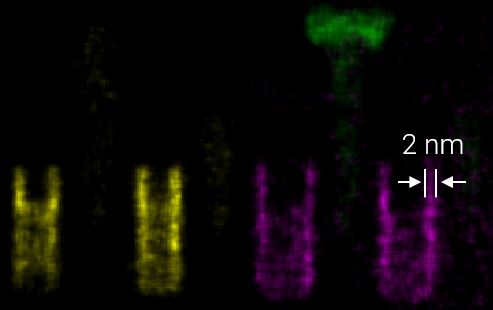
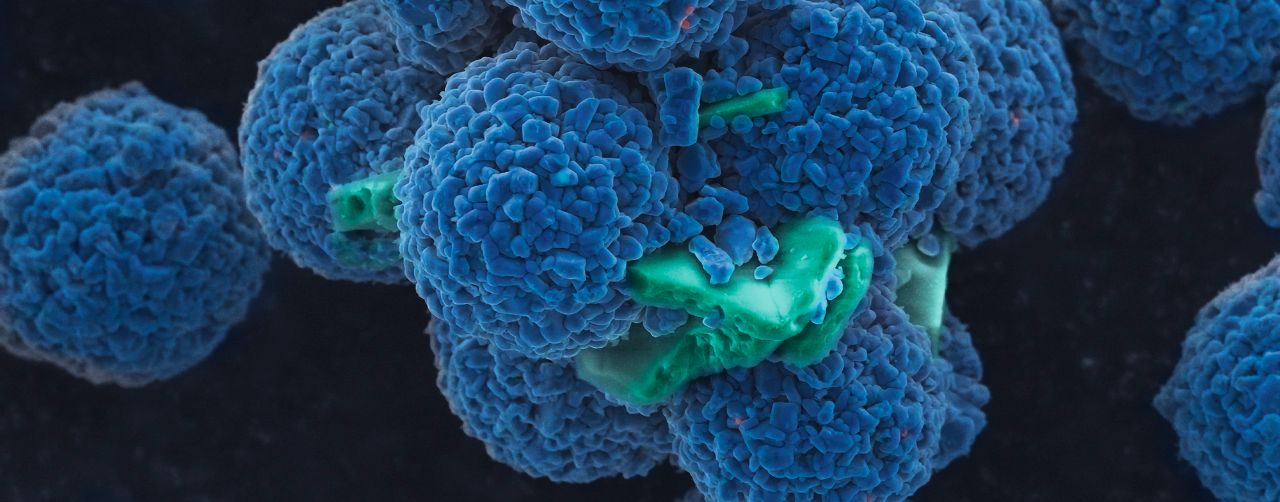
XFlash®FlatQUAD 검출기의 높은 입체각과 수집 효율 덕분에 QUANTAX FlatQUAD를 사용하여 초고해상도 원소 매핑이 가능합니다.
미세한 특징을 분해하기 위해서는 가속 전압과 빔 전류를 적절한 범위로 유지해야 합니다. 이러한 조건은 기존의 EDS 시스템에서는 매우 까다롭지만, XFlash®FlatQUAD는 최적화된 기하학적 구조와 넓은 Solid angle(1.1 sr) 덕분에 감도가 매우 높아, 낮은 pA 범위에서도 정밀한 분석이 가능합니다.
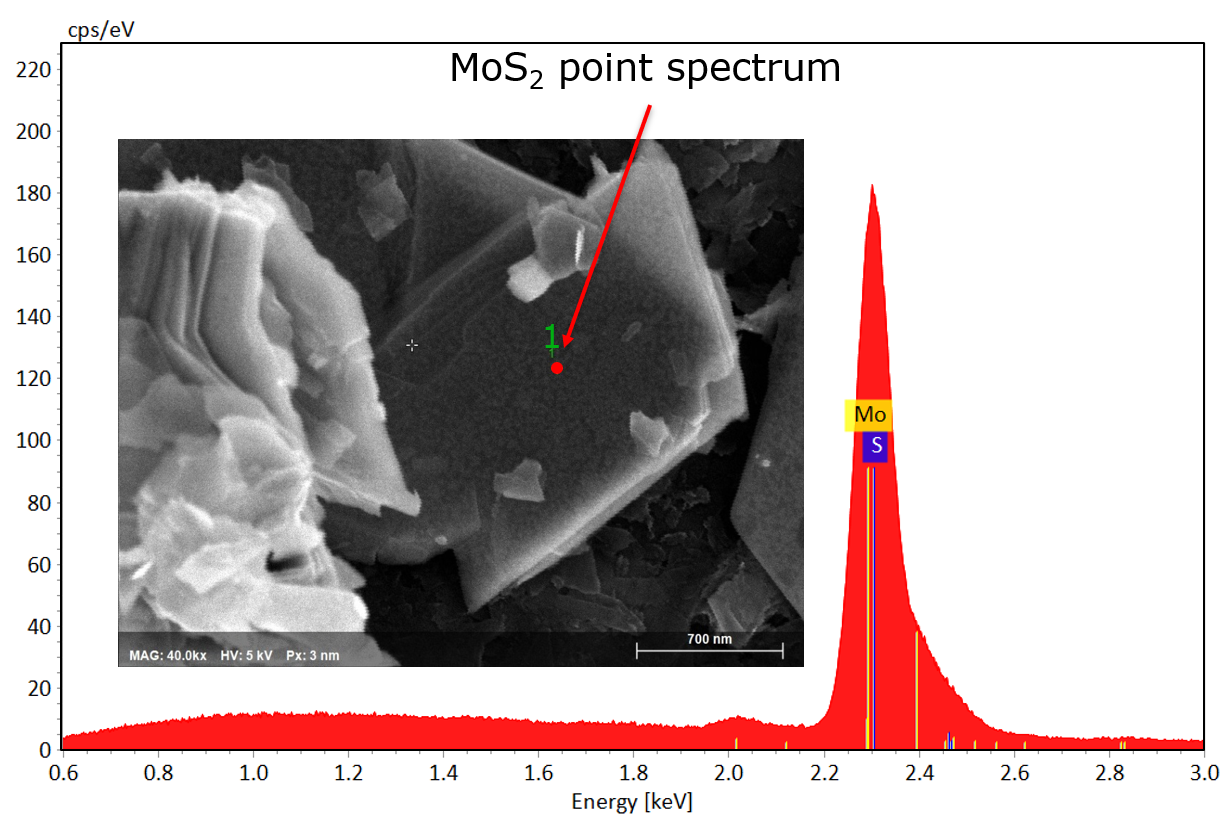
이러한 감도 덕분에 QUANTAX FlatQUAD는 FIB Lamella나 그리드 상의 나노입자와 같이 X선 수율이 낮은 시료의 매핑 및 분석에 이상적입니다.

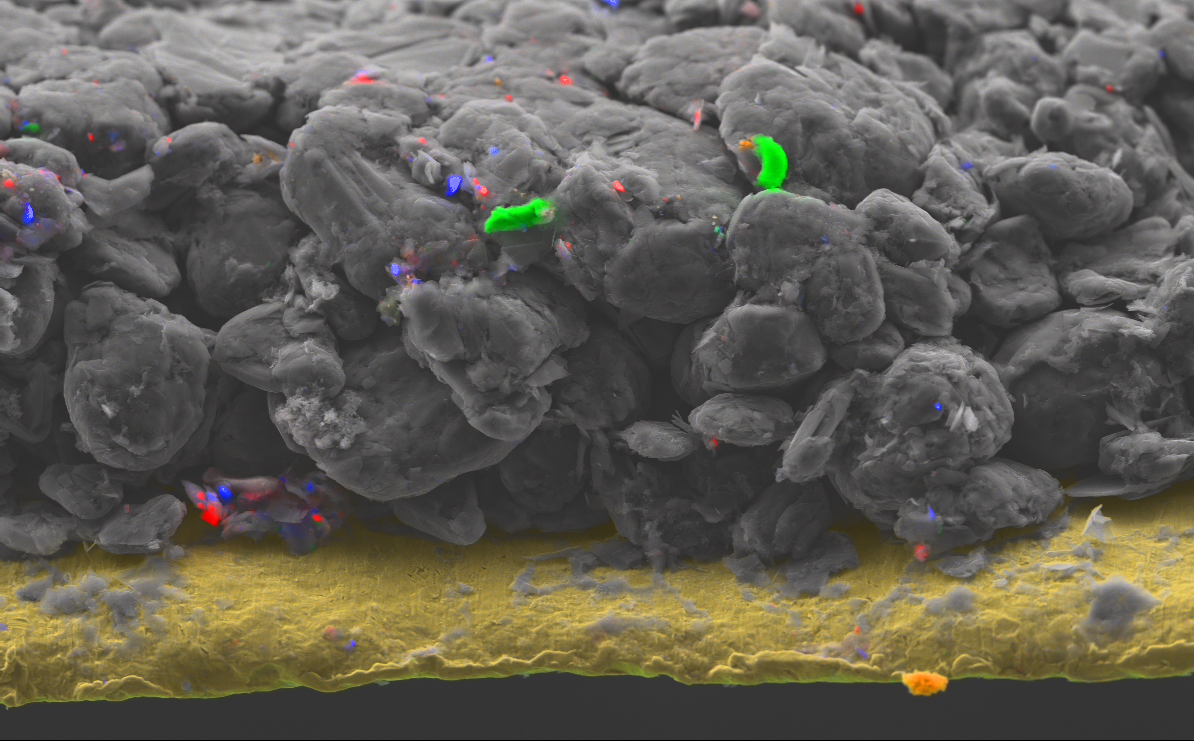
지형학적 시료의 원소 매핑
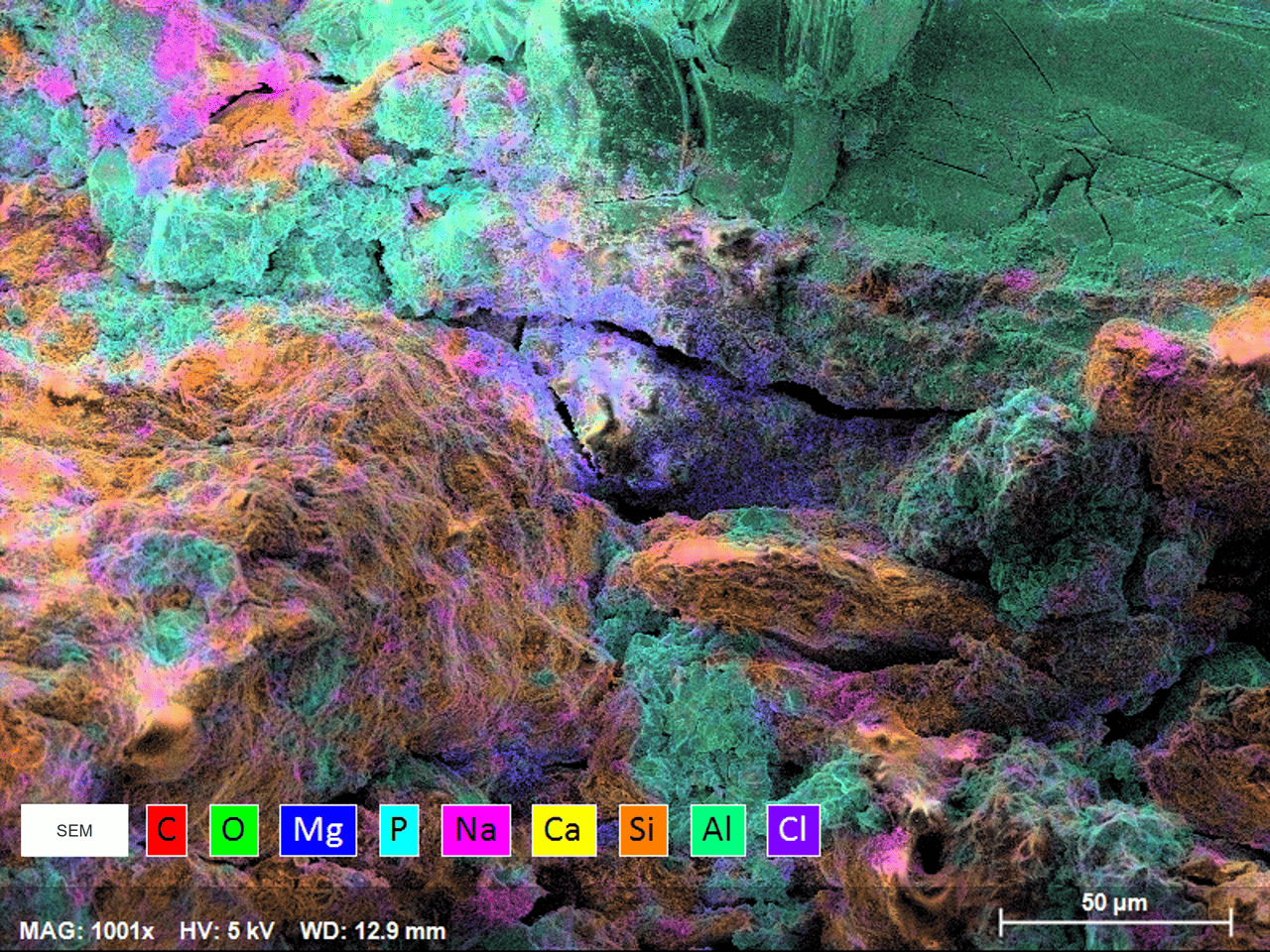
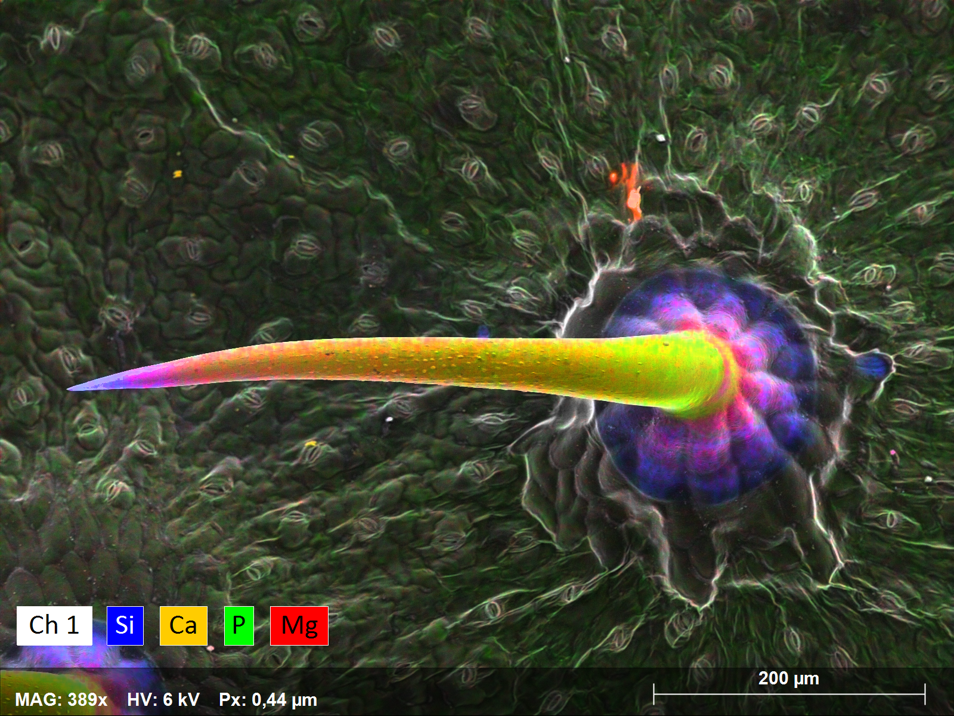
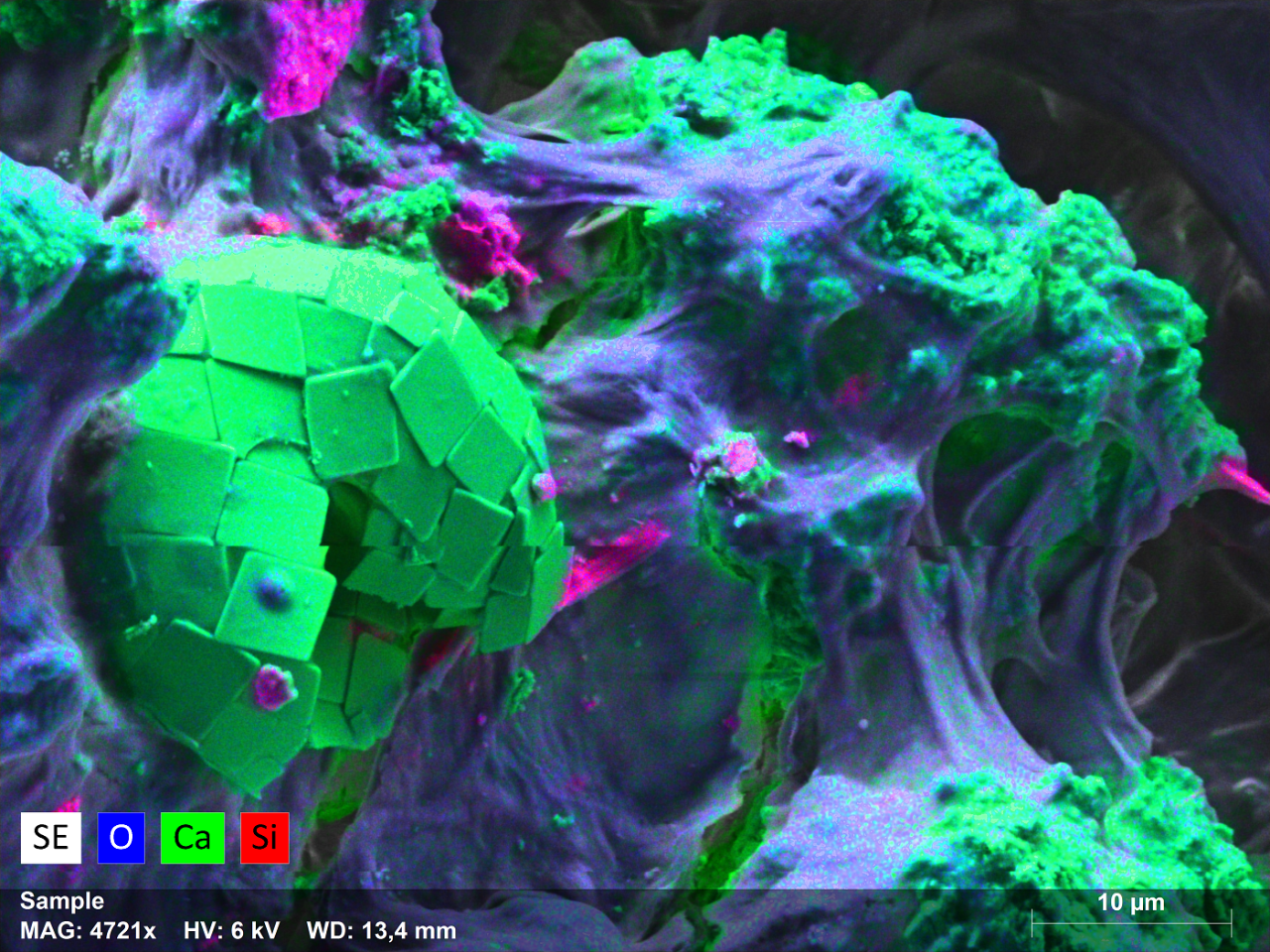
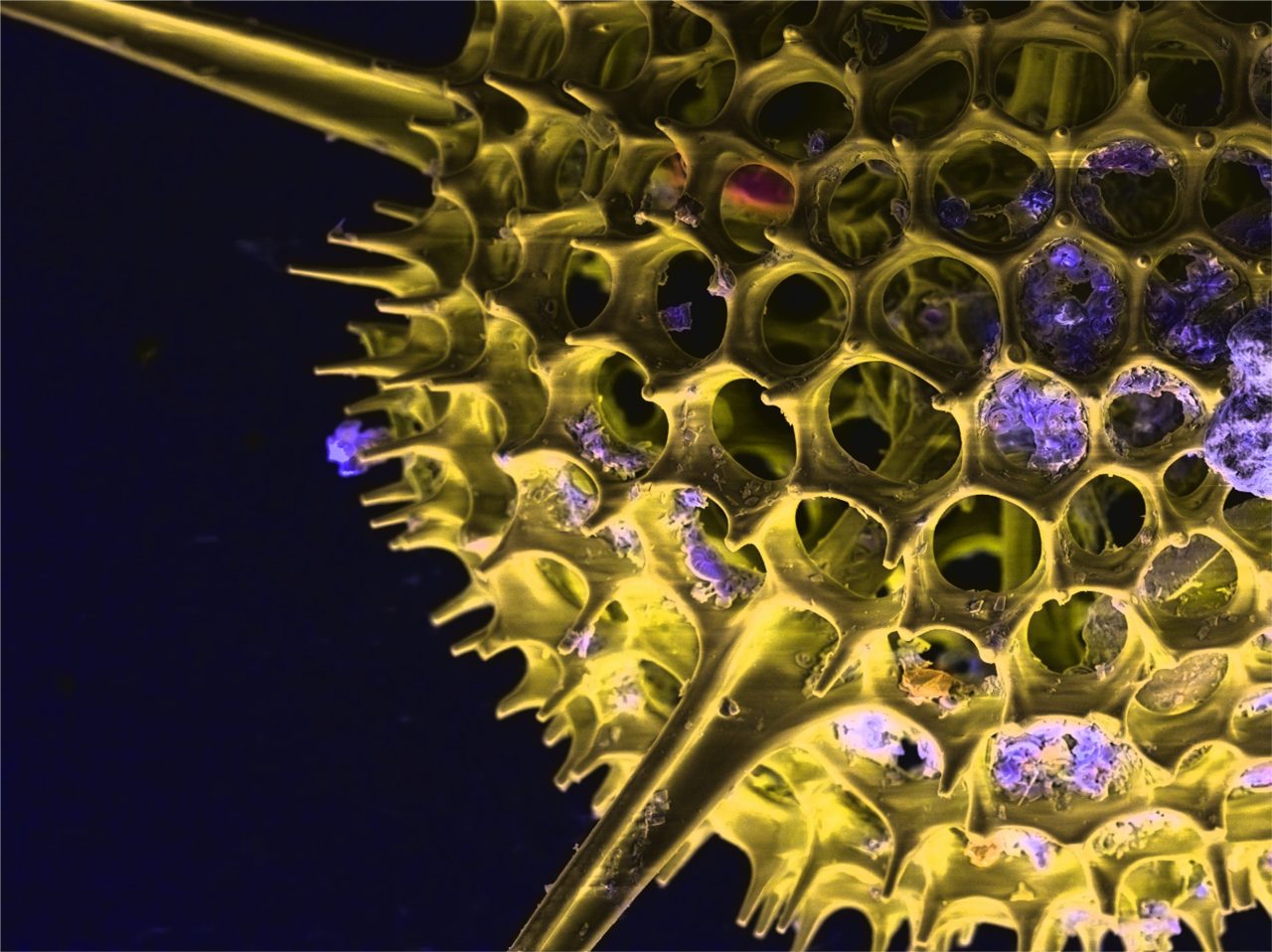
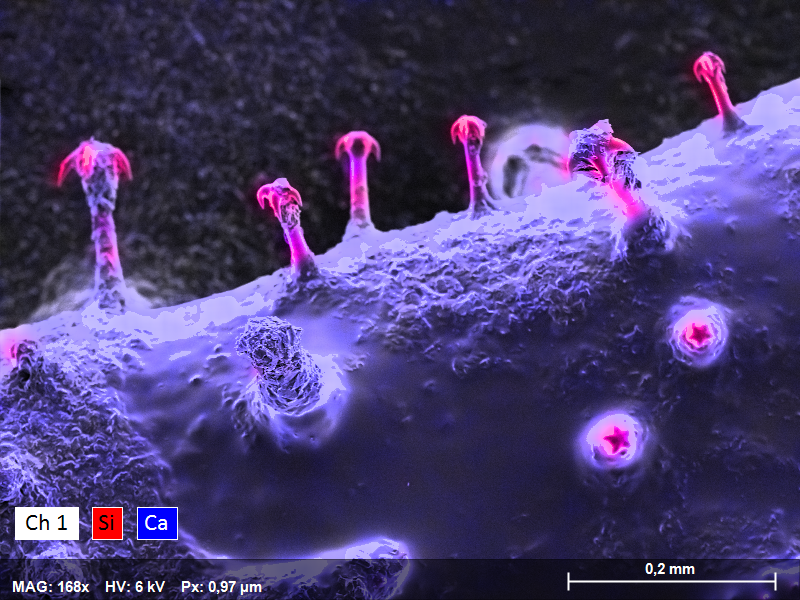
QUANTAX FlatQUAD는 그림자 효과를 최소화하여 지형학적 시료의 원소 매핑에 이상적입니다.
QUANTAX FlatQUAD에 사용되는 XFlash®FlatQUAD 검출기의 고리형 설계는 기존 EDS 검출기보다 훨씬 더 높은 Takeoff angle을 제공합니다. 이는 검출기의 높은 감도와 결합되어 사용자가 돌출된 지형 사이의 골짜기 부분까지 시료를 분석할 수 있게 하여, 접근하기 쉬운 표면뿐만 아니라 전체 지형 시료에 대한 스펙트럼 매핑을 가능하게 합니다.
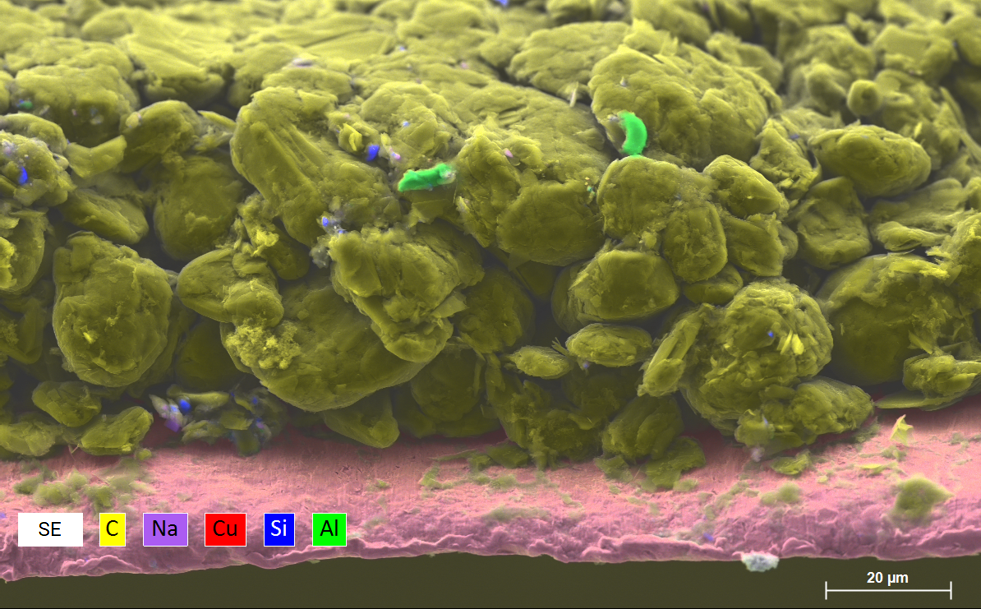
지형 시료의 스펙트럼 매핑은 특히 배터리 산업에서 유용하며, 전극 재료의 충전/방전 주기에 따른 원소 재분배 과정을 관찰할 수 있게 해줍니다.

비전도성 시료의 원소 매핑
XFlash®FlatQUAD 검출기의 매우 넓은 Solid angle 덕분에, QUANTAX FlatQUAD는 pA 범위에서 분석이 가능하므로 기존 시스템으로는 분석이 어렵거나 심지어 불가능한 시료를 분석하는 데 사용할 수 있습니다:
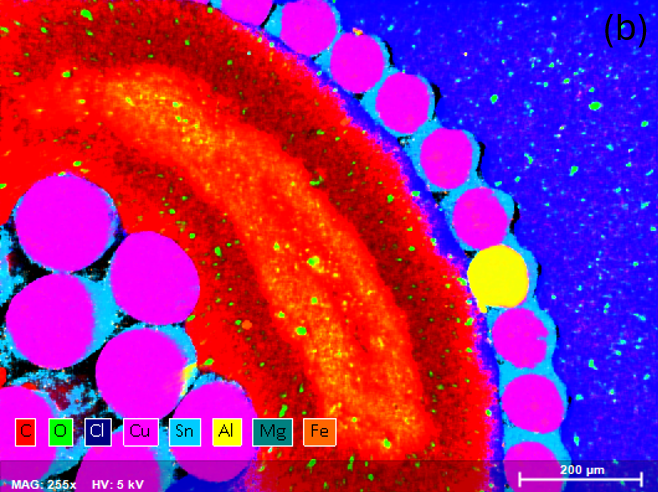
- 비전도성 시편은 탄소 코팅 없이 고진공 상태에서 분석할 수 있습니다. 저진공 분석에 비해 이 방법은 탄화수소 오염을 줄이고 빔 스커팅 효과를 방지합니다.
- 탄소 함량이 낮은 시료도 분석할 수 있는데, 이는 전자빔에 의한 탄소 침착이 대폭 감소하여 분석 결과의 왜곡을 방지할 수 있기 때문입니다.
- 귀중한 시료(예: 문화유산 유물)는 파괴적인 시료 전처리 과정 없이 원형 그대로 분석할 수 있습니다.

시료의 원소 조성 정량화
XFlash®FlatQUAD를 사용하면 정확한 원소 정량화가 가능하여, 사용자는 시료의 원소 조성을 파악할 수 있습니다.
QUANTAX FlatQUAD는 3,200,000 cps의 높은 처리량에서도 붕소와 같은 경원소를 정량할 수 있습니다.

전자 투과성 시료의 SEM 내 STEM 이미징
QUANTAX FlatQUAD를 사용하면 SEM만으로도 전자 투과성 시료에 대한 SEM EDS 측정에서 STEM을 수행할 수 있습니다. 이를 통해 TEM에 필요한 까다로운 시료 전처리 및 조건 없이도 고해상도 EDS를 얻을 수 있습니다.
전자 투과성 시료에 대한 EDS와 EBSD의 결합
전자 투과성 시료로부터 더 많은 정보를 얻으려면 QUANTAX EBSD를 eWARP TKD 검출기와 결합하십시오.


ESPRIT™LiveMap을 이용한 실시간 원소 매핑
QUANTAX FlatQUAD에 사용된 XFlash®FlatQUAD 검출기의 넓은 Solid angle과 고성능 병렬 신호 처리 기능 덕분에, 높은 계수율에서도 ESPRIT LiveMap 기능을 이용한 실시간 원소 매핑이 가능합니다.
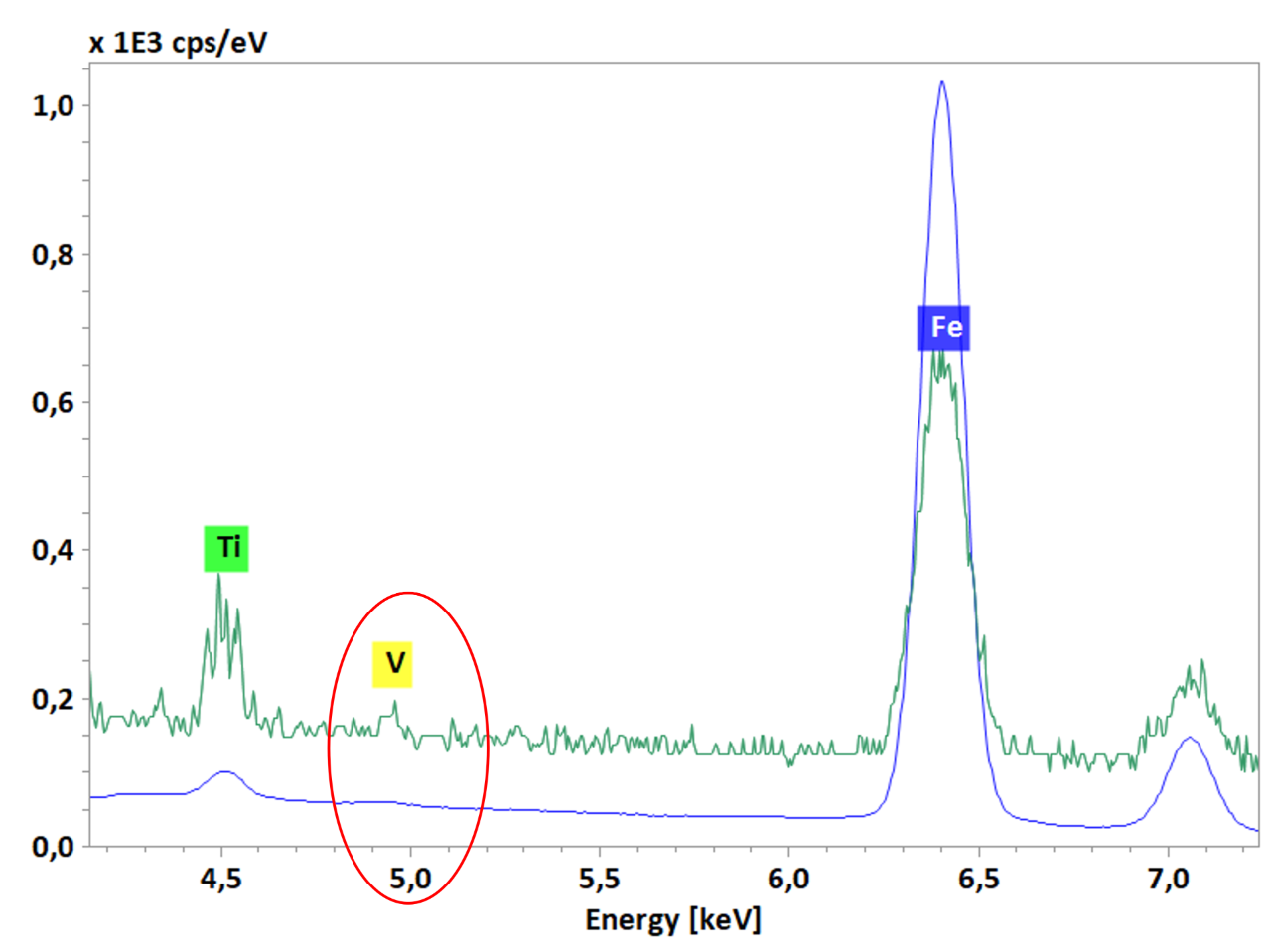
실시간 원소 매핑은 특히 시료의 예비 선별 단계에서 유용합니다. QUANTAX FlatQUAD는 ESPRIT LiveMap과 함께 사용하여 시료 내의 관심 영역(ROI) — 예를 들어 오염, 계면 또는 국소화된 미량 원소 등 —을 식별할 수 있으며, 이후 동일한 검출기를 사용하여 해당 영역을 추가로 분석하고 정량화할 수 있습니다. ESPRIT LiveMap에는 자동 원소 식별 및 피크 Deconvolution과 같은 기능이 포함되어 있습니다.
모든 작업에 적합한 단일 EDS 검출기 - 정성 및 정량 분석 모두 수행
EDS를 새로운 응용 분야로 확장하는 QUANTAX FlatQUAD의 독보적인 분석 기능 외에도, 핵심인 XFlash®FlatQUAD 2L 검출기는 표준 EDS 검출기로서도 작동합니다.
즉, 단 하나의 EDS 검출기만으로도 시료에 대한 정성 및 정량 EDS 분석을 모두 수행할 수 있습니다.
QUANTAX FlatQUAD의 응용 분야 알아보기
QUANTAX FlatQUAD 검출기의 독창적인 기하학적 구조는 까다로운 EDS 분석을 쉽게 만들어 주며, EDS 분석에 완전히 새로운 응용 분야를 열어줍니다.
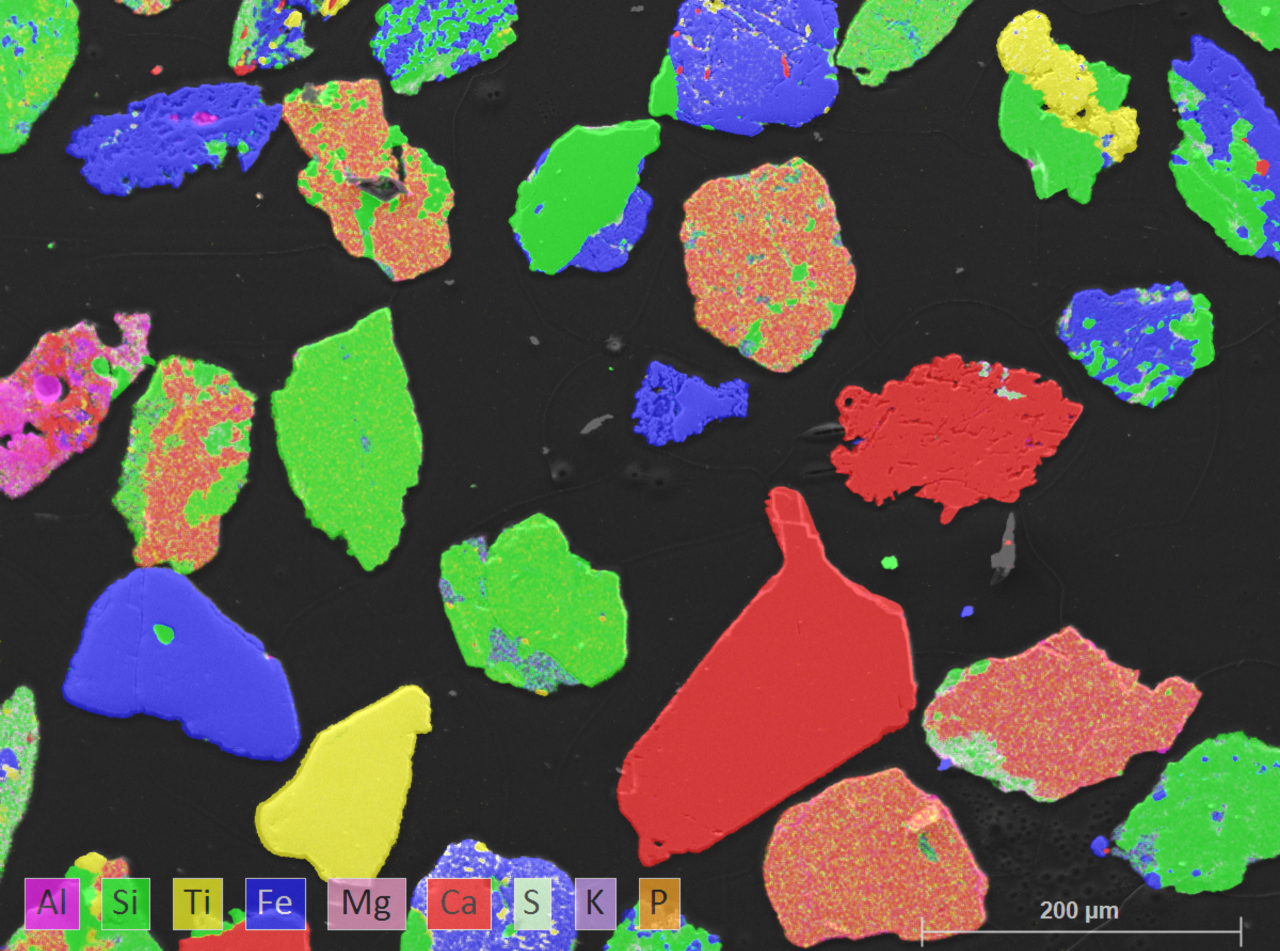
XFlash®FlatQUAD 2L 검출기를 사용하는 응용 분야:
Register Now: Step Into The Future of SEM Elemental Analysis

In this launch webinar, discover XFlash® FlatQUAD™ 2L, the first EDS detector to uniquely combine industry-leading X-ray collection efficiency with the ability to perform parallel BSE imaging.
See how co-registered elemental and contrast information can be acquired simultaneously at lower electron doses enabling faster workflows and higher spatial resolutions, even with beam-sensitive samples.
관련자료
EDS에 대해 더 알아보기
EDS에 대해 더 자세히 알고 싶으신가요? 다음 설명 페이지를 방문해 주세요: